
Italy boasts thousands of years of history, showcased through its iconic landmarks and Roman ruins. The world-famous cuisine features classics like pizza, pasta, and risotto, and, of course, there are the beaches and glorious Mediterranean weather.
Italy is a tourist’s paradise, but there are still several things to bear in mind when you visit. We’ve created the ultimate guide to travelling around Italy, and what you need to know before heading there, so you can explore without a hitch. From the best times of year to visit, to basic Italian phrases and the best cities to visit, here is everything you need to know before visiting Italy.
Everything You Need to Know Before Visiting Italy
When’s the Best Time to Visit Italy?
The best time of year to visit Italy greatly depends on what you’re there for. Suppose you’re looking for a more cultural experience and aren’t too concerned with the weather. In that case, you may want to consider visiting during the autumn and spring, which is when tourist crowds are smaller and prices are lower.
For those who want the ultimate Mediterranean holiday experience, visiting from late spring to early autumn (May-August) will likely give you the best weather and experiences, but you risk potentially higher prices, more demand for hotels and large tourist crowds.
Language Guide: What You Need to Know
Despite being a common foreign/second language in Italy, English is not as widely spoken as in some other European countries. When you’re in large cities like Milan or Rome, or in large tourist areas, hotels or popular attractions, it’s likely that people will speak English.
However, in smaller towns and cities, or in everyday settings, it’s more common for people to speak little English. Also bear in mind that certain regions of Italy will speak local dialects which may differ from traditional Italian. Because of this, it’s a good idea to learn some basic Italian phrases for getting around if you’re worried about people not understanding you.
Some key phrases to learn in Italian include:
“Where is the train station please?” – “dov’e (dov-ay) la stazione ferroviaria?”
“Excuse me” – “Scusi.”
“Please/Thankyou” – “Per favore/Grazie.”
“How much does this cost?” – “Quanto costa questo?"
“Do you speak English?” – “Parla inglese?”
“I don’t understand” – “Non capisco.”
“I need help/I need assistance” – “Il aiuto (i-uto) / la assistenza.”
"I don't speak Italian" -- "Non parlo Italiano."
Staying Safe While Travelling in Italy
For the most part, crime in Italy is low, and you’re guaranteed to have a safe and fun time wherever you go. But, please be aware that in places with large tourist crowds, scams and crimes like petty theft or pickpocketing can be common. It’s important to remain vigilant and keep your personal belongings safe and out of sight, and only book tours or events in advance or through reputable companies or sources.
When visiting Italy or any foreign country, ensure that you have valid healthcare insurance to avoid forking out a fortune for healthcare services – while Italy’s healthcare system is generally free, it’s still important to have insurance, and you may still be expected to pay, especially if you’re visiting from a non-EU country. In an emergency, the number to call is 112.
How Much Does a Trip Cost? (Average Daily Budget)
Despite Italy being a generally affordable country and less expensive than the UK, there are still certain cities across the country that are more expensive than others. You might need a higher budget for cities like Milan, Venice, Rome and Florence, which are known for their higher prices. On average, you can expect to spend around €50-€100 per day for attractions, travel, dining and accommodation.
You can find budget hotels and activities across the country, which tend to cost between €50-€100, while luxury travellers may look to spend around €200-€400 per day, depending on the city! If you’re on a really tight budget, you may want to consider sticking to cheaper cities like Palermo, Bologna or Naples.
Best Cities to Visit in Italy
Every city across Italy tells its own story through history, culture and dialects, so you may be wondering which cities are the best to visit. Some of the best cities to visit in Italy include:
Rome
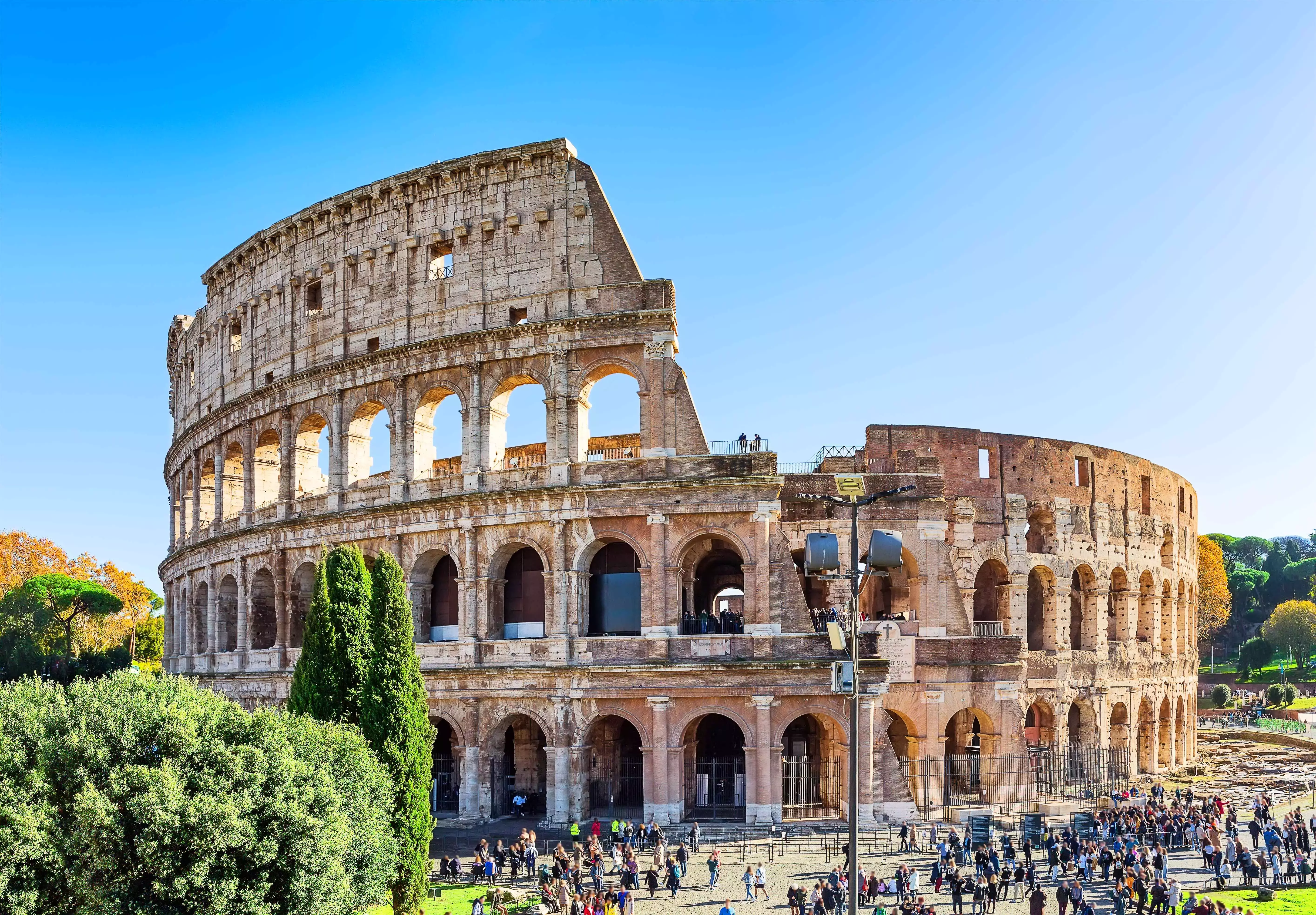
What to do: The capital city, Rome, is filled with historic and cultural attractions such as the almighty colosseum, the beautiful Trevi fountain and the Sistine Chapel, among many others. Rome also perfectly blends laid-back cultural city life with a vibrant nightlife and culinary scene that offers many famous classics.
Where to stay: Consider staying in the historic centre of Rome, which gives you great proximity to most of Rome’s top attractions and excellent transport links.
Average cost: The average cost in Rome can vary, depending on the type of traveller you are, but you can generally expect to spend around €50- €300 per day.
Milan
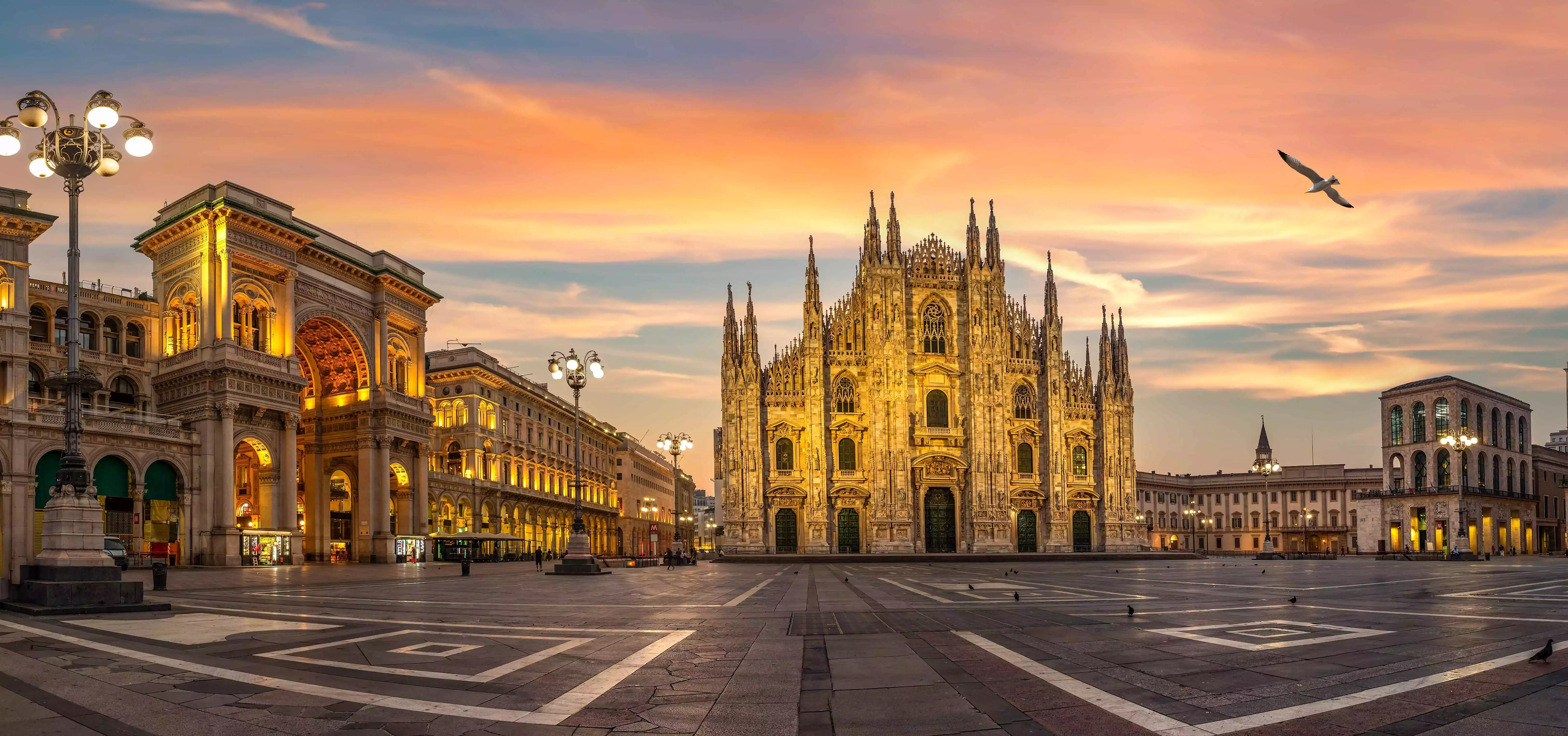
What to do: Known as the shopping, fashion and entertainment capital of Italy, Milan is the place to be if you’re looking for high-end or luxury fashion, and one of the best nightlife in the country. Fun fact: Milan is home to the world’s oldest shopping mall, the Galleria Vittorio Emanuele II.
Where to stay: Milan is rife with beautiful places to stay, but consider checking out the Piazza del Duomo, which is within a convenient distance of Milan’s main attractions and shopping districts. Porta Nuova is also a great choice for a trendy and lively place to stay.
Average cost: Generally, you can expect to spend a maximum of around €400 per day, which can vary depending on if you’re a budget or luxury traveller.
Venice
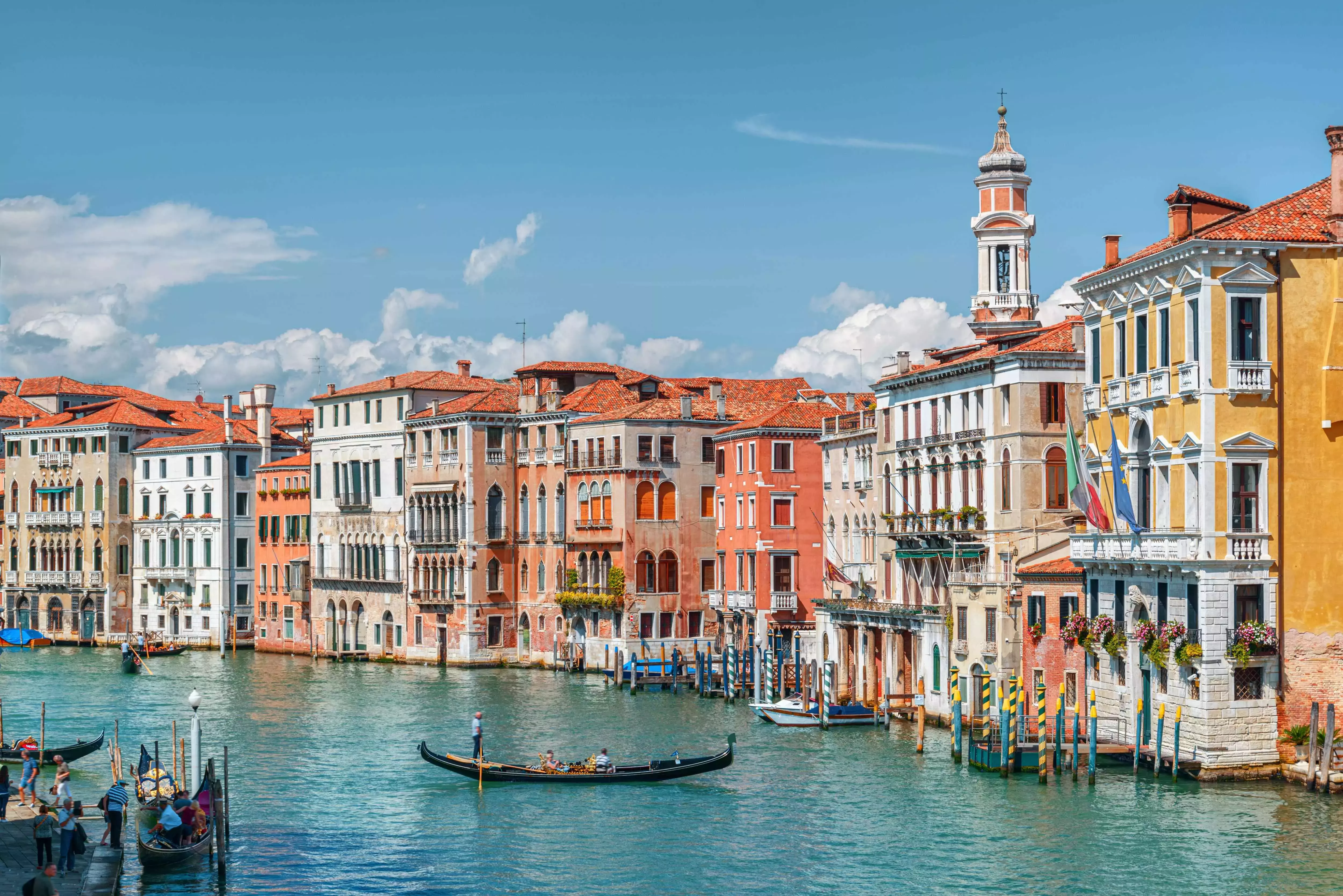
What to do: Known as the ‘Floating City’ thanks to its numerous canals and waterways through the city, Venice is often considered to be one of the most romantic cities in the world, thanks to the iconic gondola rides down the canals.
Where to stay: Check out areas like San Marco, which is centrally located near Venice’s top sights, or quieter suburbs like Castello or Mestre.
Average cost: Budget travellers can expect to spend a maximum of around €90 a day, whereas luxury travellers can easily spend more than €300 per day.
Naples
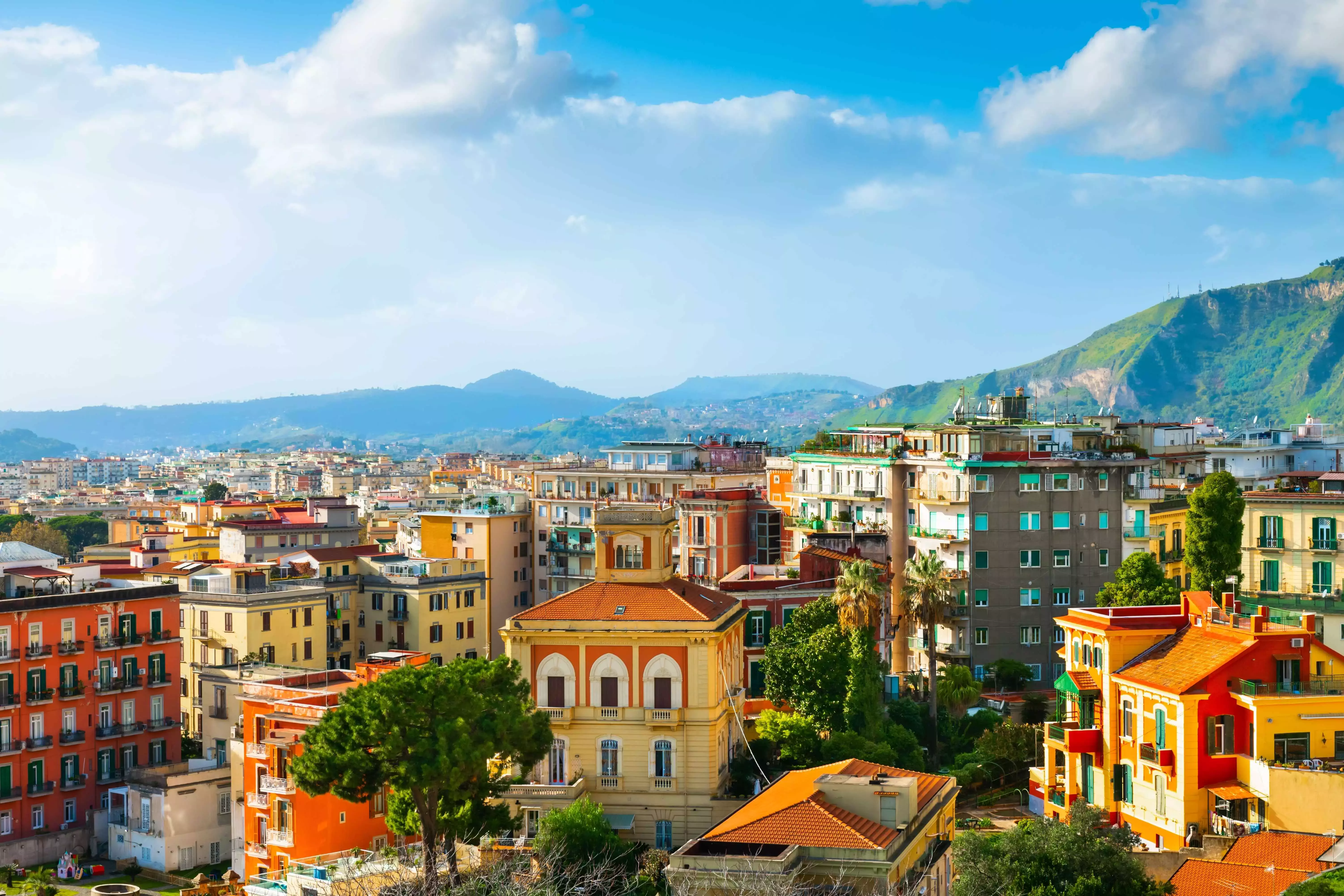
What to do: Naples is known as the birthplace of pizza, and one of the best cities in Italy for gastronomy. Naples also has a lively historic centre, filled with landmarks, museums, sites and monuments that make for an interesting and fulfilling experience.
Where to stay: Try central Naples, Chiaia or Spanish Quarter for the most convenient and lively atmospheres. If you want somewhere more laid back, try Posillipo.
Average cost: Depending on the type of traveller you are, you can expect to spend a minimum of around €40-€50 per day, which can rise to around €400 if you have a larger budget or stay in more luxury areas.
The Big Experiences You Don’t Want to Miss
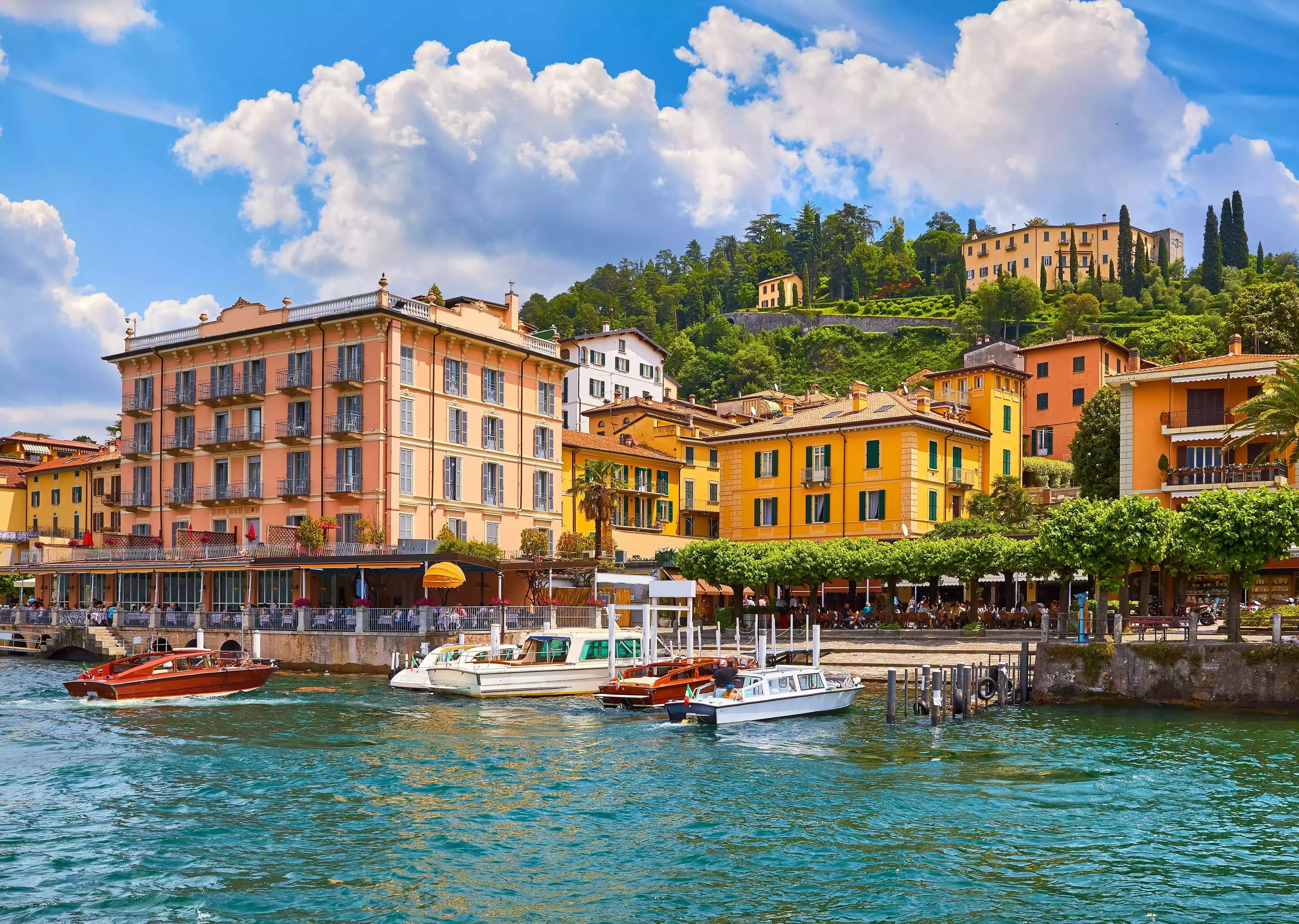
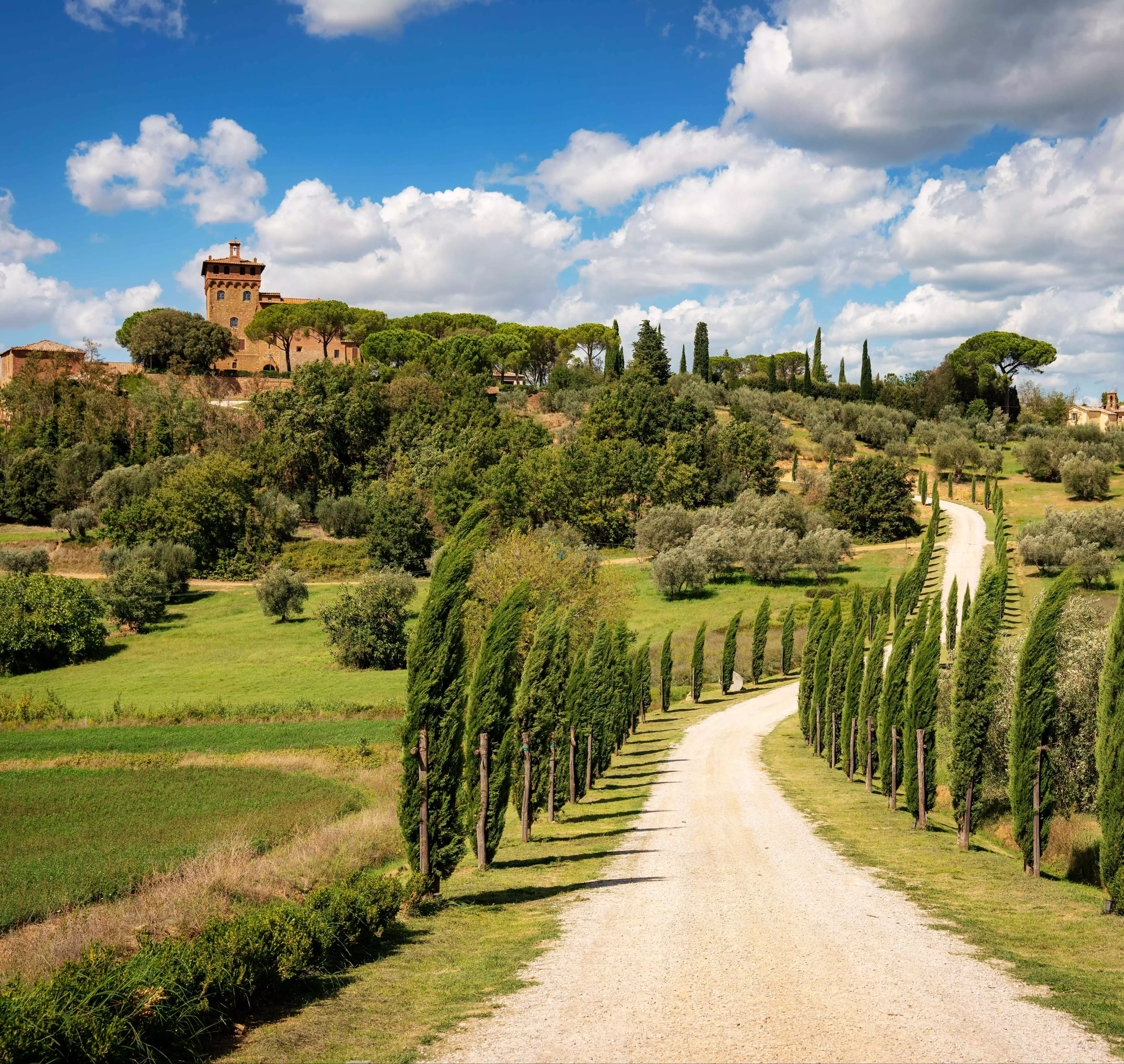
Italy is full to the brim with exciting attractions and experiences around every corner, from colosseum tours to vineyard tours and wine tastings. Some of the best and biggest attractions in the country include the iconic historic landmarks, vineyard and winery tours in Tuscany, gondola riding in Venice, visiting Lake Como and hiking the seven hills of Rome, among many others.
Hidden Corners of Italy
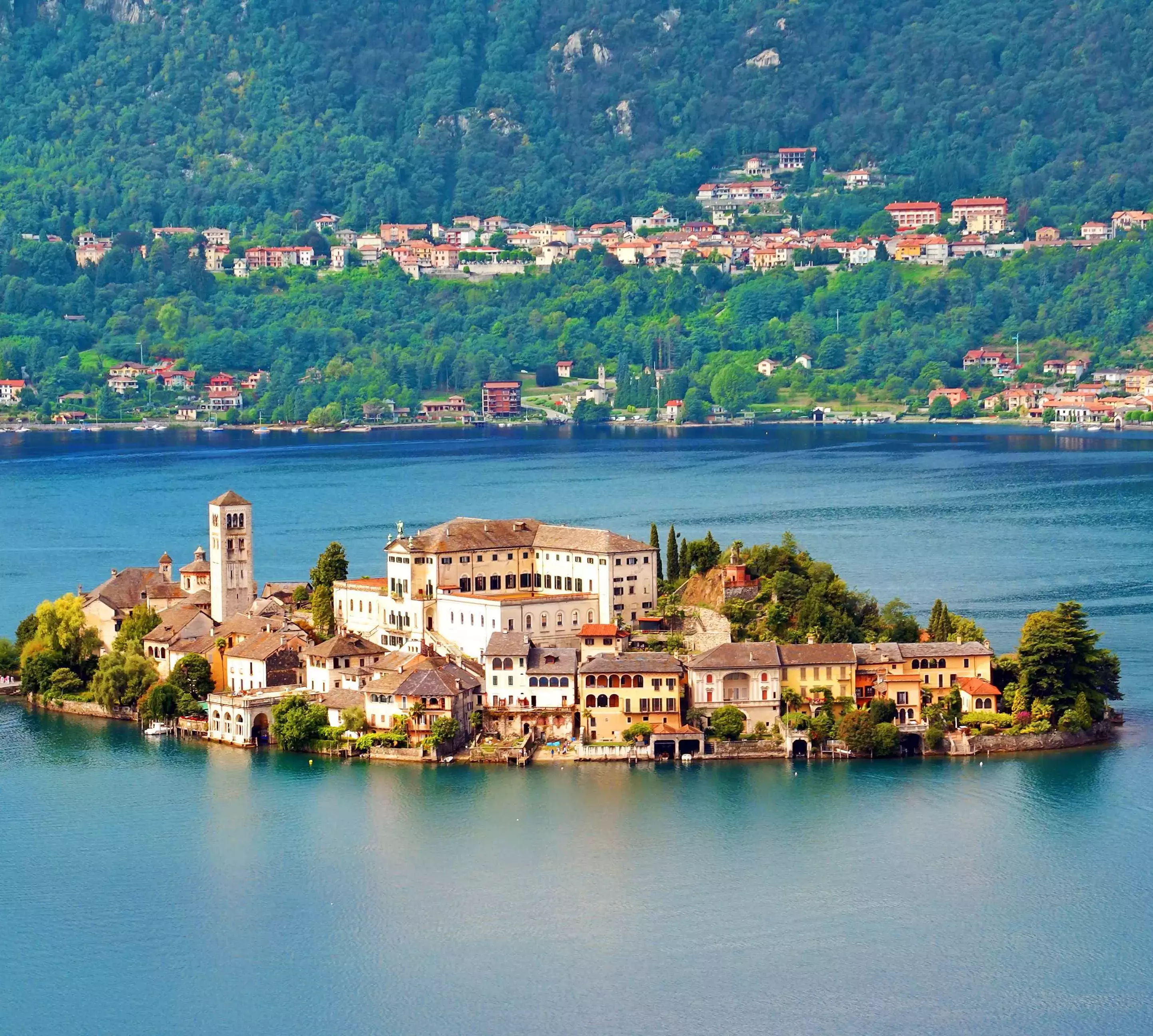
Aside from the well-known attractions and cities, Italy is home to less popular places that will add so much to your trip. If you want to avoid large tourist crowds that come with the top landmarks and sights, then these places should be on your list. Lake Orta, for example, is a fantastic hidden gem. Visit the beautiful, picturesque lake in the north of Italy for an alternative to Lake Como or Lake Garda.
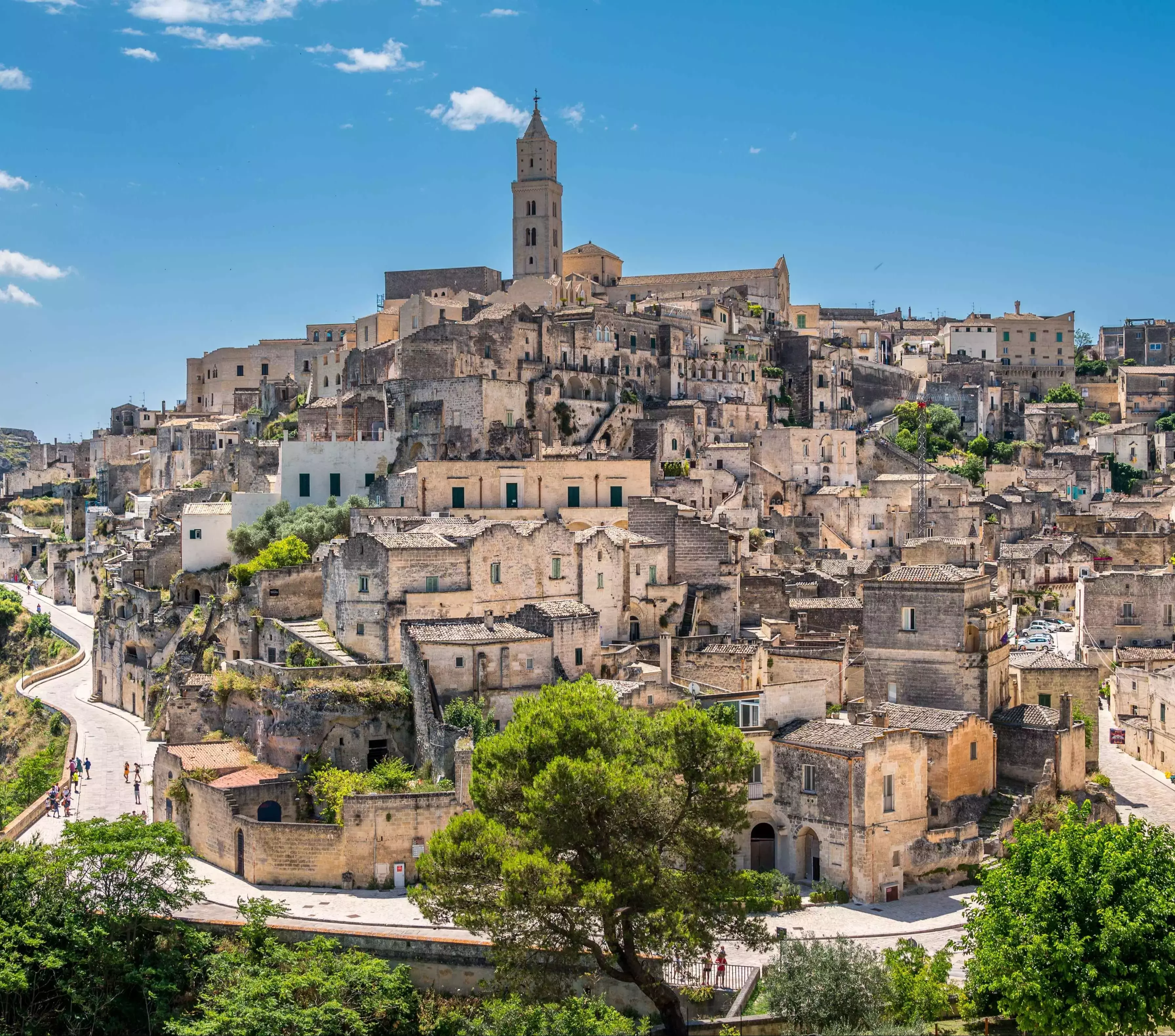
Additionally, you should check out the small town of Tropea, which offers a gorgeous beach and a quaint historic town. Also on your itinerary should be Matera, one of the oldest cities in the world and a UNESCO World Heritage Site.
How to Avoid Tourist Scams and Traps in Italy
The main types of scams usually involve taxis, overcharging for restaurants or street food, and people selling fake goods like tickets or tours. If you’re worried about scams, it’s a good idea to book any tickets or tours in advance through a reputable and well-known site that has good reviews. Make sure you know how much local taxis and restaurants usually charge, so if somebody does overcharge you, you’ll be aware of it and can challenge it.
Be aware that tourist crowds can sometimes be the targets of petty theft or pickpocketing, so it’s a good idea to invest in safety equipment like wrist-straps for phones, and keep your personal belongings hidden or within your sight at all times. These scams or thefts are likely to occur outside busy tourist attractions like the colosseum or trevi fountain, so be aware of this if you’re visiting these sites.
Handy Tips and How to Plan Your Trip
Some important and handy tips when it comes to visiting Italy include planning your itinerary beforehand, booking budget accommodation and transport journeys in advance and learning basic local phrases to get you around. Although you’re unlikely to encounter any trouble with booking these things in person or at the time, and with speaking English, it’s still a good idea to be organised and prepared, as, if you do run into some trouble, you’ll be able to deal with it more efficiently and quickly.
If you’re looking for car hire, using travel platforms is a great way to find amazing deals. You can also read up on the best places to hire a car and which suppliers offer car rental services. Make sure you also familiarise yourself with your surroundings, and bear in mind that some cities are fully or partially pedestrianised, or you’re unable to drive through their city centres, like Venice, Florence and Rome in particular.
Get ready to plan your trip to Italy

ABOUT THE AUTHOR
Lauren Coton
I love discovering and writing about new places which then get added to my now extensive travel list, but nowhere beats the comfort of my hometown Bristol or the sense of culture and community that my base of Cardiff exudes. That's why travel writing was a given for me.