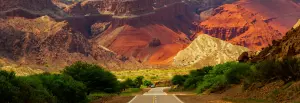
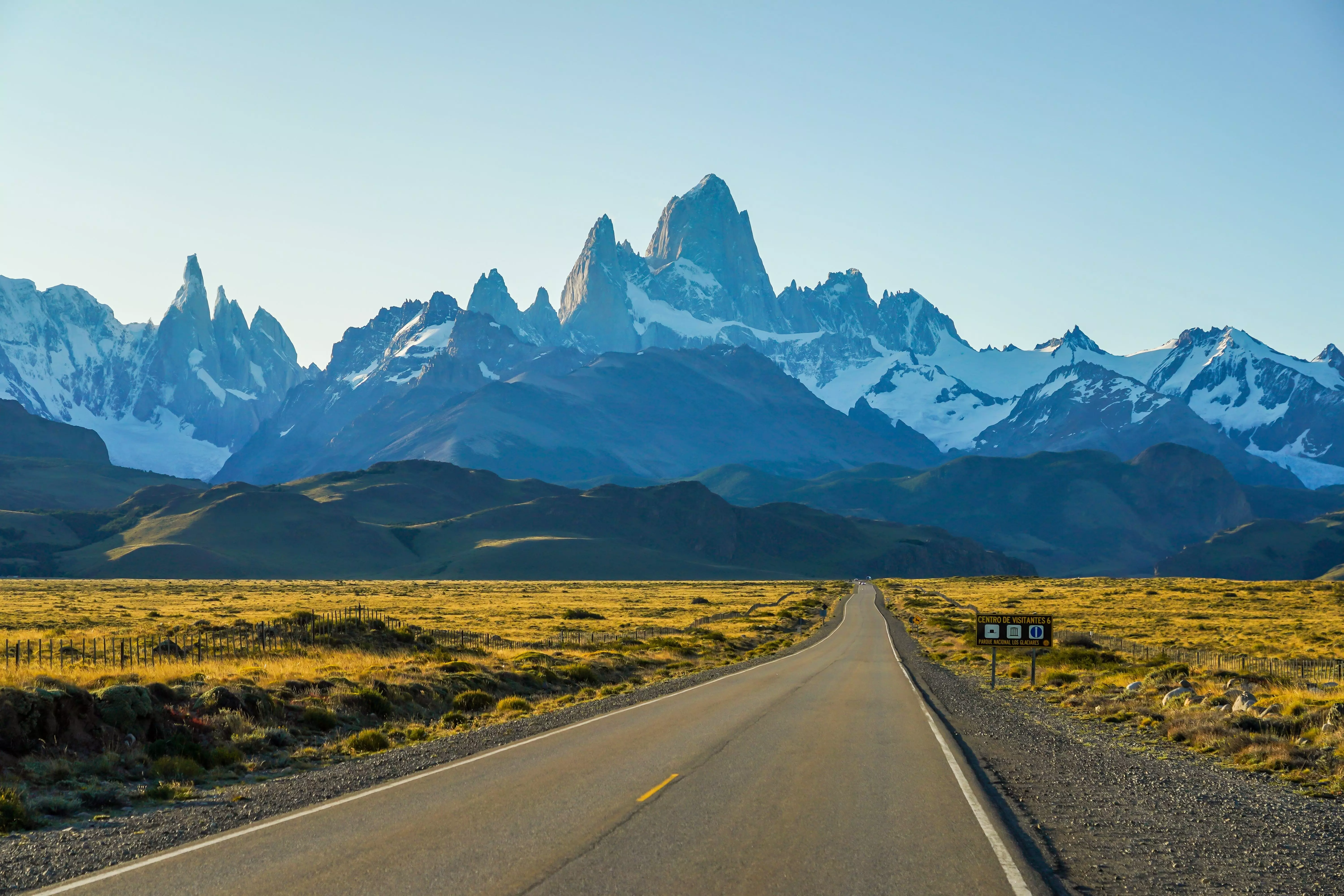
Argentina really has everything: breathtaking natural landscapes, top-class food, and an innate passion for football and dance that runs deep. The Andes mountains create a natural border between Argentina and Chile, while Patagonia provides a wild and diverse escape – a stark contrast to the energetic pulse of its capital, Buenos Aires. Argentina has a thriving and rich culinary scene, dominated by top-class meat and premium wines. Meanwhile, tango dancers perform passionately, and crowds excitedly gather to watch football matches.
The feelings Argentina evokes in both its locals and visitors are truly unparalleled. If you plan to visit this South American gem, there are several things to consider. We've created the ultimate travel guide to help you understand and experience everything Argentina has to offer. From basic everyday phrases to the best places to stay, here's everything to know about Argentina.
Everything You Need to Know Before Visiting Argentina
Getting Around Argentina
Argentina is pretty huge, so you'll likely be wondering how best to get around. While Argentina doesn't operate many national train routes, its capital, Buenos Aires, has an extensive metro and light rail service. You can get from one city to another by bus, which is the primary long-distance transport in the country. Andesmar is a particularly well-reviewed bus operator, highly rated for its spacious beds on long-distance trips.
While Argentina does have trains, they are not very widespread. Tren Patogonico is the only long-distance train service operating in the south of the country. It offers travel across Patagonia and to various southern Argentina cities. Another efficient and popular way of reaching Argentina's provinces is to fly domestically. Aerolineas Argentinas is the most common airline in the country, and serves a range of Argentine provinces.
When’s the Best Time to Visit Argentina?
The best time to visit depends on the type of trip you want to have.
-
Peak season: For the warmest temperatures, visit from December to March.
-
Shoulder season: If your budget is particularly tight, consider travelling in the shoulder season from September to December or March to June. In winter, Patagonia becomes a snow-covered wonderland, while in summer it's a popular hiking spot.
You may have to sacrifice your sunbathing session in favour of lower prices during the Argentinian winter, but summer will see larger tourist crowds and higher prices. Consider what you prioritise most, and be prepared to be flexible with your trip dates. For example, Argentina is known for its wine, and the best time of year to visit for top-quality tastings and tours and to see the grape harvest is in Argentina’s autumn from February to April.
Language Guide: What You Need to Know
Spanish is the official language of Argentina. Bear in mind that while you’ll likely be able to get by with speaking English, it's not very widely spoken. If you're staying in a hotel in a big city like Buenos Aires or Mendoza, chances are you'll encounter many English speakers. But in smaller cities, towns and rural areas, it's a different story. Because of this, it's a good idea to brush up on your Spanish ahead of your trip, just in case. Here are some basic phrases to learn in Spanish that'll help you feel more confident when travelling around Argentina:
Some key phrases to learn in Spanish include:
“Hello” – “Hola” (o-la)
“I don’t speak Spanish” – “No hablo espanol”
“Do you speak English?” – “Hablas ingles?”
“I don’t understand” – “No entiendo/no comprendo”
“Please/Thankyou” – “Por favor/Gracias”
“I need a translator” – “Necesito un traductor”
“Repeat that please/speak more slowly please” – “Repite eso por favor/Hable más despacio por favor.”
“Where can I watch the football?” – “Dónde puedo ver el fútbol?”
Staying Safe While Travelling in Argentina
Argentina is, for the most part, safe and enjoyable for both locals and tourists. However, as with anywhere else in the world, there are things to watch out for. Petty crimes like theft, pickpocketing or tourist scams may be common in more tourist-heavy areas. You may be more likely to experience these crimes in larger cities like Buenos Aires or Cordoba. Fortunately, there are ways to protect yourself.
You can prevent things like theft and pickpocketing by keeping your belongings with you at all times, and don’t flash around valuables or wear clothing with expensive brands clearly visible. Familiarising yourself with the local prices and booking any tours through reputable companies can help prevent this, too. It’s important that when travelling abroad, you remember to take out relevant health insurance too, and in time for your trip.
How Much Does a Trip Cost?
When visiting Argentina, you'll likely have a specific budget to follow.
Budget: If you want to keep costs lower, consider travelling in the shoulder season between September and December. Argentina's cheapest cities are mostly outside of the capital, Buenos Aires, like Cordoba, Mendoza and Rosario. For budget travellers, you can expect to spend around 20-30,000 Argentine pesos. (In Euros, this is around €10-20.)
Mid-Range/Luxury: Mid-range to luxury travellers will likely get by on 50,000-100,000 AR. (In Euros, this is around €30-60.)
Top Tips for Saving Money in Argentina
The economy in Argentina is precarious. It's important to be respectful and mindful of this when chatting to locals. And because of the precarious nature of the value of the Argentine peso, taking US dollars with you is recommended. You can exchange USD for pesos at "cuevas" or "arbolitos" (they're unofficial exchange houses). And only use trusted cuevas, not the first guy shouting "cambio!" on the street.
Top tip: don't change all your USD at once, the rate can change daily.
It's not a good idea to carry a huge amount of cash with you, so you'll probably need a top-up. And you can withdraw Argentine pesos at ATMs. However, bear in mind that ATM withdrawals are super expensive – usually 10-15% of the transaction – and the withdrawal amount is very low. The solution? Set up an account with Western Union, send money to this account, and take out Argentine peso in-store.
If you're sticking to cities, then you won't have a problem finding a Western Union. However, once you go further down south to rural Patagonia, they're harder to come by. Make sure you take enough cash with you, or make use of the several Western Unions in Bariloche, which is typically the first stop on a Patagonia trip.
Best Cities to Visit in Argentina
Every city in Argentina tells its own story of history, culture and gastronomy. Here are some of the best cities to visit in Argentina, and what you can expect in terms of budget, attractions and where to stay:
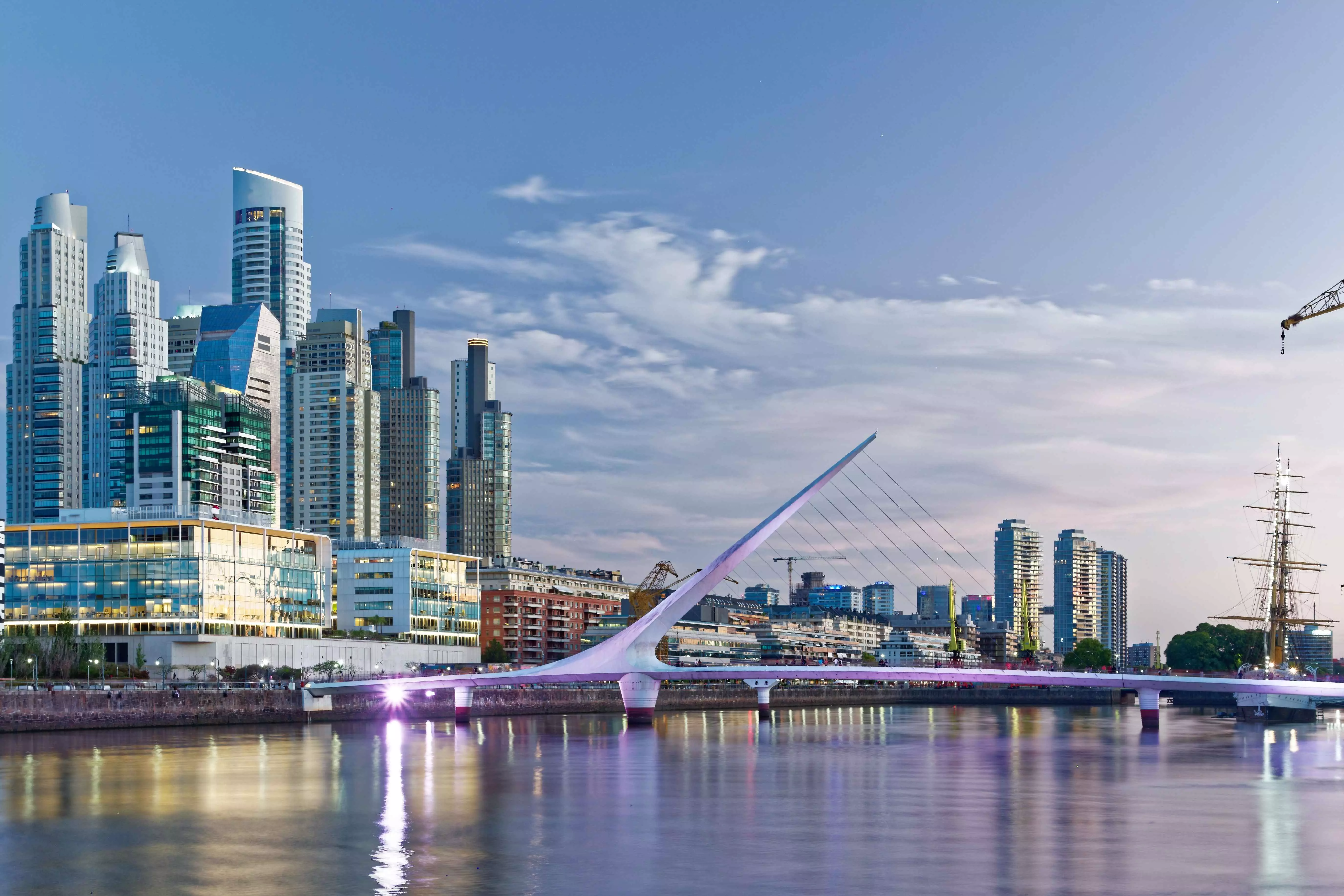
Buenos Aires: The thriving capital city, Buenos Aires, is a major hub for gastronomy, wine, and tango dancing, being the birthplace of the popular dance. The city is also home to vibrant, bohemian neighbourhoods and a lively, buzzing nightlife.
What to do: Buenos Aires is full to the brim with attractions and must-see sights, such as its parks and gardens, its museums, and its sightseeing spots.
Where to stay: The neighbourhoods of Palermo and Recoleta are safe, well-connected and vibrant, while San Telmo offers a taste of historic charm.
Average cost: Depending on your budget, you can get by comfortably in Buenos Aires on around 20,000-40,000 Argentine pesos at the lower end, while more mid-range to luxury budgets can be around 50,000-150,000 Argentine pesos.
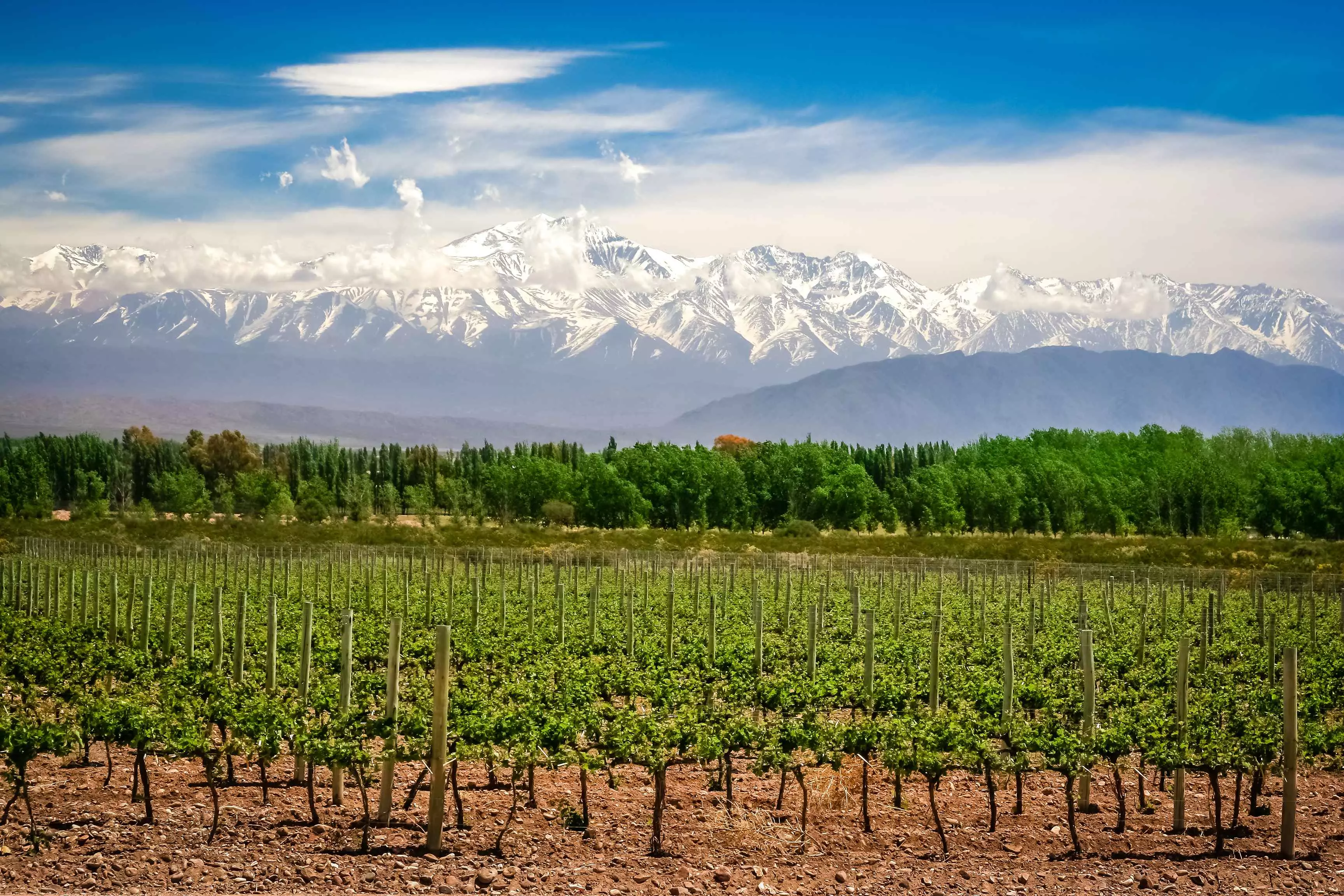
Mendoza: Known as the wine capital of Argentina, Mendoza is famous for its world-class Malbec wine and tours and tastings. It’s also a lively city, and home to various parks, museums and monuments.
What to do: Relax in the parks, go museum hopping, take a sightseeing tour or, best of all, head on a wine tasting tour.
Where to stay: The main areas to stay in Mendoza include the City, Chacras de Coria, and Uco Valley. Uco Valley is one of the best wine regions, while Chacras de Coria is known for its laid-back, leafy suburbs and stunning stone architecture.
Average cost: You can comfortably get around and stay in Mendoza with a budget of around 44,000 Argentine pesos or more.
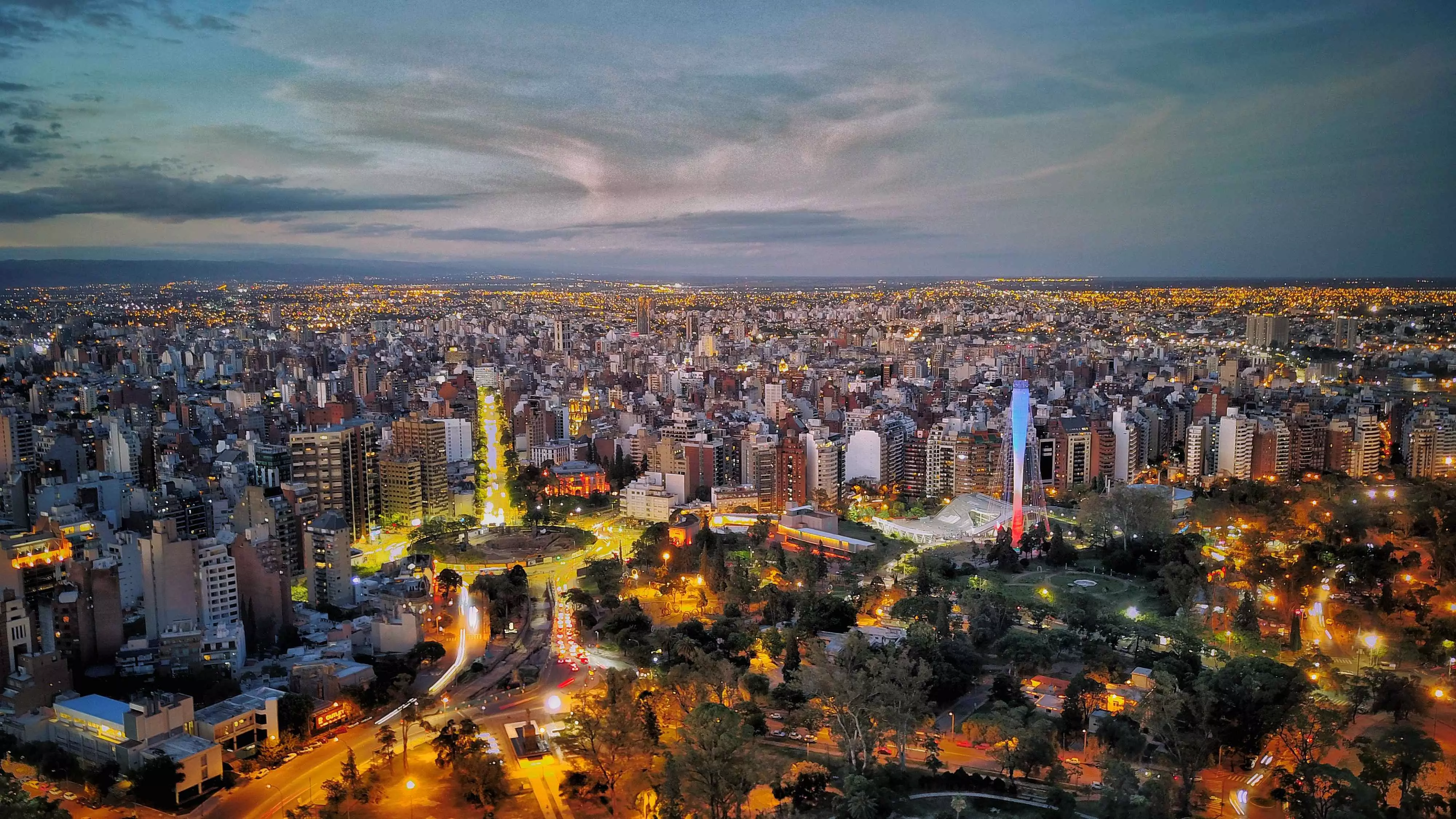
Cordoba: The second-largest city in Argentina, Cordoba is one of the best places to visit in the country. The city features a number of museums, UNESCO World Heritage sites, and stunning natural beauty.
What to do: Take a sightseeing tour, go museum hopping, stroll through the gardens and parks, or catch a show at Teatro del Libertador.
Where to stay: There are several places to stay across Cordoba for the best nightlife or easy access to most attractions. Check out the Historic Centre, the bohemian Guemes, or Nueva Cordoba for the best nightlife and a buzzing atmosphere.
Average cost: For budget travel, you can expect to spend around 40,000 pesos or more, and for mid-range or luxury travel, consider a budget around the 100,000-150,000 pesos per day mark.
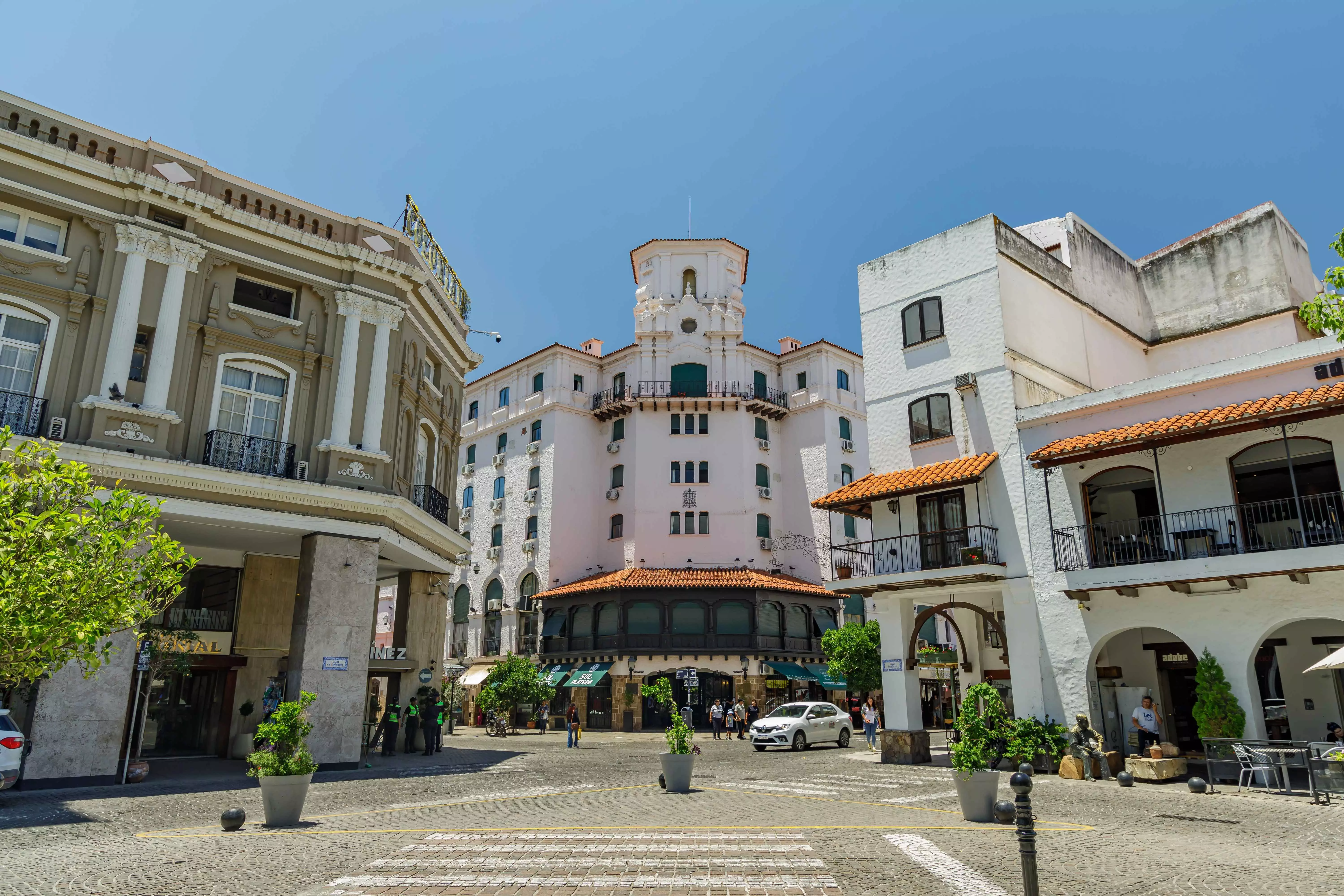
Salta: Salta is a different vibe from its large city counterparts. It’s laid-back, cultural and quaint, and it’s located near one of the world’s largest salt flats.
What to do: Explore the museums, go sightseeing and view the Spanish colonial architecture, or take a day trip to the nearby Salinas Grandes salt flats.
Where to stay: The best areas to stay include the city centre for the best access to transport and attractions, or near Balcarce Street.
Average cost: Salta isn’t generally any more or less expensive than any other Argentine city. An average daily spend can range from 5,000 pesos to around 40,000 pesos, depending on the type of budget you have.
The Big Experiences You Don’t Want to Miss
Argentina is so much more than its wine regions and football culture. Here are some of the top experiences you don’t want to miss out on in Argentina:
-
It's home to the beautiful remote region of Patagonia, which encompasses vast forests, valleys and glaciers, separated from Chile by the Andes Mountains. If the natural beauty of Patagonia isn't enough for you.
-
Chase waterfalls in mesmerising Iguazu Falls, which are the largest waterfall system in the world.
-
Explore the capital city of Buenos Aires. Buenos Aires is known for being the birthplace of the tango dance, its colourful architecture and its diverse culinary scene.
-
Go wine tasting in Mendoza, one of the country’s top wine-producing regions.
Hidden Corners of Argentina
So, you've seen Argentina's top attractions, but what about the ones that are a little more off-the-beaten-path? We're talking hidden gems and areas that only the most well-versed locals know about. Add a touch of intrigue to your trip by exploring these hidden corners of Argentina.
-
Head to the medieval-style town of Campanopolis, characterised by its whimsical architecture that's made entirely of recycled materials. Like something straight out of Alice in Wonderland, this quirky village can only be accessed via guided tours.
-
Another place that you need to check out is Atis Bar in Buenos Aires. This quaint little restaurant and bar features an ivy-adorned terrace and is known for its old-fashioned setting.
-
Head to the Ibera Wetlands and enjoy the beautiful scenery and native wildlife
How to Avoid Tourist Scams and Traps in Argentina
Argentina is generally a safe and welcoming country, but as with any other city, it’s important to take precautions. While you’re unlikely to run into any major trouble in its main cities, it’s still important to stay aware of your surroundings. The main crimes that occur, around tourist areas in particular, are mostly pickpocketing or theft. So, keep personal belongings close to you at all times, and avoid flashing around any designer or expensive items of clothing where the label is clearly visible.
As for tourist scams and how to avoid them, it’s a good idea to research the local taxi or restaurant prices to avoid being overcharged for them – this is something that can happen to unsuspecting tourists who may be unfamiliar with pricing, making them an easy target. This way, you can challenge people whom you believe may be scamming you. Additionally, always make sure that you book any tours or excursions through reputable companies. Book through travel platforms or hotels.
Handy Tips and How to Plan Your Trip
The main things to consider when travelling to and around Argentina include:
- Make sure you have travel insurance set up.
-
Be prepared to be jet-lagged if flying from European countries. You may need to spend the first day or two adjusting to the change in time zones.
-
If you’re coming from the UK or EU countries and plan to stay longer than 90 days, you’ll need to have a visa.
-
Ensure you stay organised and book any tours or day trips in advance. To keep prices low, consider travelling to Argentina in the shoulder season, where prices are low and cities are quieter.
-
Invest in some good quality safety equipment, like wrist-straps for your phone or an anti-theft bag.
-
Have an itinerary already planned out to make things run more smoothly, and to ensure you’re not running around wondering what to do or where to go first.
-
Although many tourist areas will have good knowledge of English, it's still a good idea to learn some basic Spanish just in case!
-
If you want an efficient and more flexible way of getting around, why not consider hiring a car?
How Long to Spend in Argentina
If you’re just here for a brief holiday, then the length of your trip shouldn’t concern you too much. However, if your trip is likely to exceed 90 days, you’ll need to look into acquiring a visa to allow you to stay in the country. Visas can be obtained from embassies or consulates in the country you’re visiting. Argentina is huge, so ensure you have your transport methods all sorted and worked out before visiting to make your trip much easier.
Get ready to plan your trip to Argentina

ABOUT THE AUTHOR
Lauren Coton
I love discovering and writing about new places which then get added to my now extensive travel list, but nowhere beats the comfort of my hometown Bristol or the sense of culture and community that my base of Cardiff exudes. That's why travel writing was a given for me.
SIMILAR ARTICLES
The Complete Travel Guide to France
The Complete Travel Guide to Portugal
The Complete Travel Guide to Italy
The Complete Travel Guide to Spain
MOST POPULAR
newsletter