
Spain is a showstopping holiday destination. The Balearic and Canary Islands offer beautiful beaches and nightlife, and the mainland cities are notable for their stunning and unique architecture, vibrant history and rich culture. Each city has their own story to tell, with varying dialects, prices and things to do and see, so you might be wondering how to get around and where to stay. Here’s our ultimate guide on visiting Spain, including where to stay, where to go and how to stay safe in each city.
Everything You Need to Know Before Visiting Spain
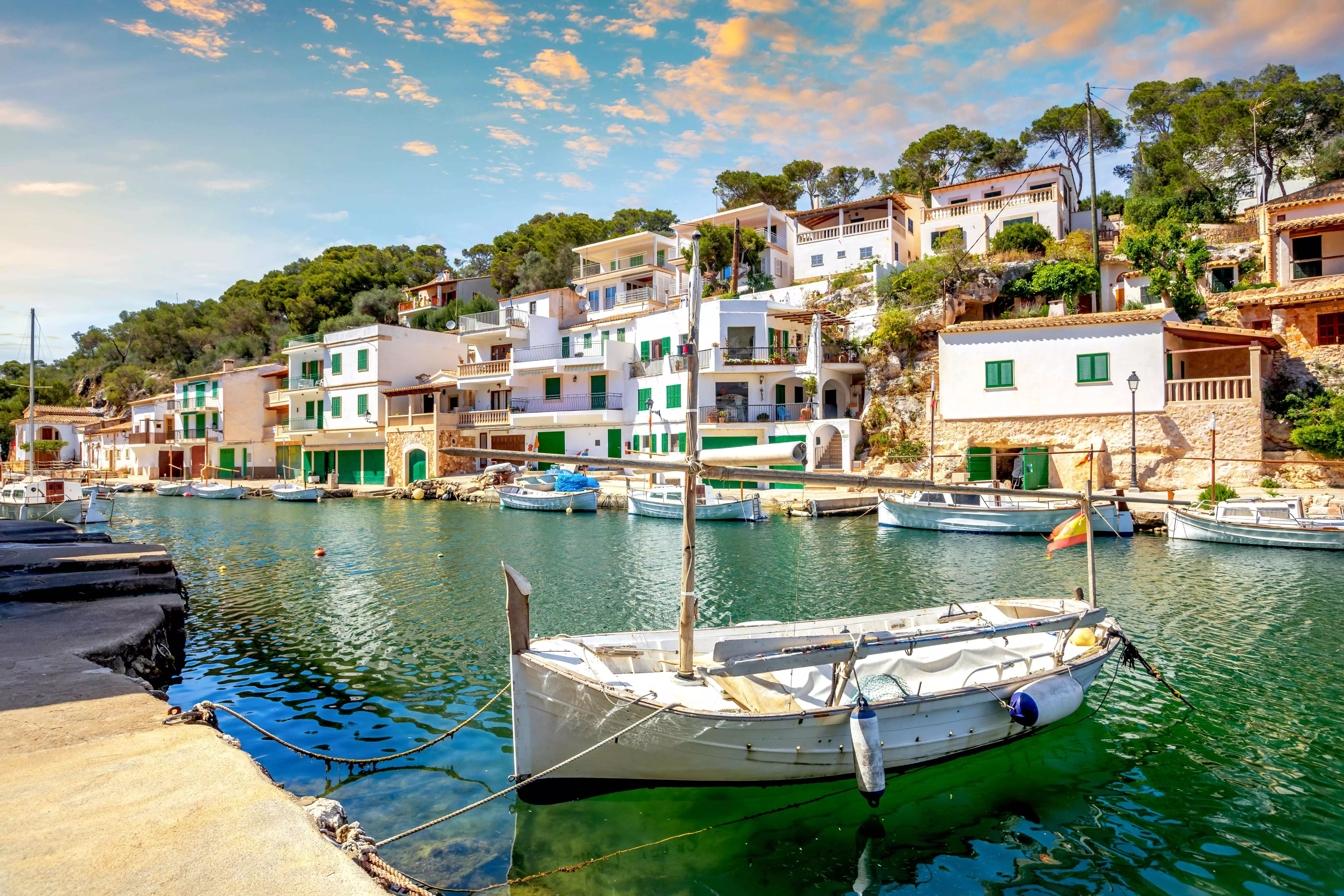
When’s the Best Time to Visit Spain?
Peak season: Spain and its islands are usually most popular around June to August, when the weather is at its best and many festivals and events take place across the country. However, during this time, prices tend to be highest, and tourist crowds are at their largest.
Shoulder season: If you still want the weather to be pleasant, but you want tourist crowds and fares/prices to be smaller, try to visit in May-June or September-October.
Off-season: If you’re not concerned about the weather, and you want prices to be at their lowest and don’t want to face swarms of tourists, consider travelling between November and March.
Language Guide: What You Need to Know
English is widely spoken across Spain, particularly in larger cities and tourist hotspots, but in more rural small towns and lesser-known places, you may encounter problems. Certain areas of Spain have regional dialects, like Catalan and Valencian, and these areas may be less English-speaking than other cities or regions of the country. Because of this, it’s a good idea to learn some basic Spanish phrases and words to get you around if you’re in an area that doesn’t speak much English.
“Where is the train station, please?” – “Dónde está la estación de tren, por favor?”
“Hello/Goodbye – “Hola/Adios.”
“I don’t speak Spanish” – “No hablo español.”
“Do you speak English?” – “Hablas inglés?”
“Please/Thankyou” – “Por favor/Gracias.”
“I need help” – “Necesito ayuda.”
“I don’t understand” – “No entiendo.”
Staying Safe While Travelling Spain
Spain is generally safe, with its top cities offering a safe and welcoming environment for tourists and locals; however, as with any European country, there are things you need to watch out for. Remain vigilant, and keep your belongings close to you. The main crimes to be concerned about across Spain include petty theft, pickpocketing and tourist scams, which are common outside of popular tourist attractions.
In Spain, healthcare is generally free or cheaper for tourists if they have European Health Insurance. Make sure that you have health insurance when you visit Spain to avoid potentially paying large fees for healthcare. If you run into any serious problems or issues concerning your passport, legal matters or any illnesses, you can visit the embassy of your home country, which is usually located in Madrid. The US, Canada, the UK and several other European countries have embassies in Madrid. Additionally, for emergencies, the number to call is 112. This number connects you to emergency services in most European countries.
How Much Does a Trip Cost?
Spain is generally affordable when it comes to hotels, food and transport, and depending on the type of traveller you are, your daily budget can change. Budget travellers can easily get by on a budget of around €70 or more, while luxury travellers may look to spend around €300-€400 per day minimum.
Budget hotels usually fall below €100 per night, while mid-range hotels can range between €100-€150 per night, and luxury hotels can cost around €300-€400 a night – these prices of course vary depending on the time of year and the city you’re visiting, but generally you can expect these prices. To keep hotel costs even lower, consider booking your hotel months in advance of your trip.
Best Cities to Visit in Spain
Madrid

What to Do: The capital of Spain, Madrid is the largest city and is full to the brim with exciting attractions, top-quality restaurants and historic sites. Check out the art museums, castles, parks and gardens and the range of tapas bars across the city.
Where to Stay: Some of the best areas of Madrid to stay include Malasana, which is known for its colourful buildings and quaint side streets; La Latina, and Salamanca, which is known for its boutique shopping and fine dining restaurants.
Average Cost: Generally, you should budget around a minimum of €70-€100 per day in Madrid, although you may spend less or more depending on what you’re looking to do and where to stay!
Barcelona

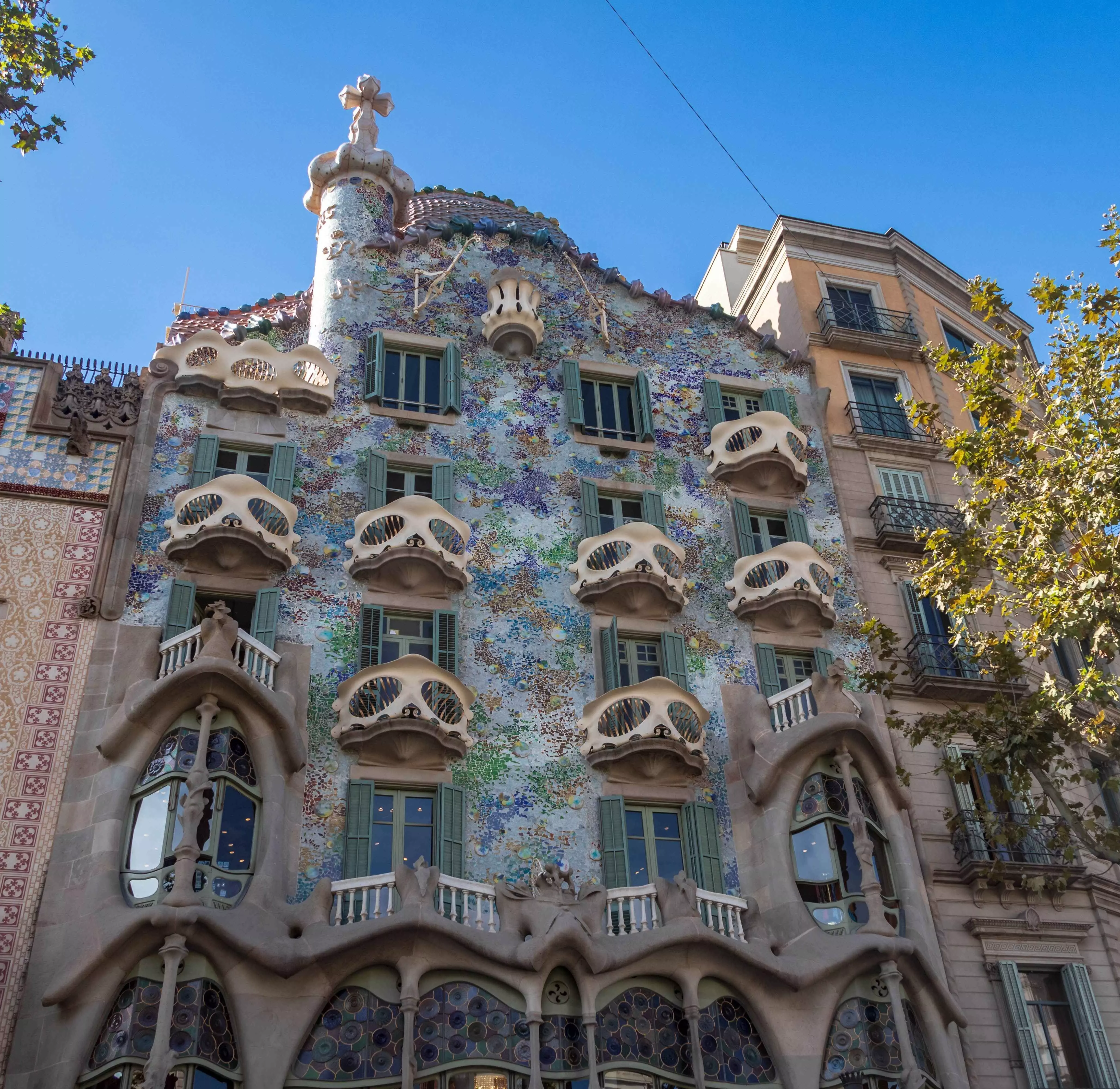
What to Do: Perhaps most famous for its Gaudi buildings and the iconic Sagrada Familia, Barcelona is a historic and cultural hub that is also lined with beaches. Go sightseeing, head to a museum, relax on the beach or stroll through the parks and gardens.
Where to Stay: Barcelona’s best areas to stay for the most convenient access to attractions and transport links include Gothic Quarter, Eixamble and the main centre of the city. These areas are known for their lively nightlife, gastronomy, history and stunning architecture.
Average Cost: Budget travellers can easily get by on around €70-€100 per day in Barcelona, while luxury travellers may spend more than €300-€400 per day on transport, accommodation and attractions.
Palma
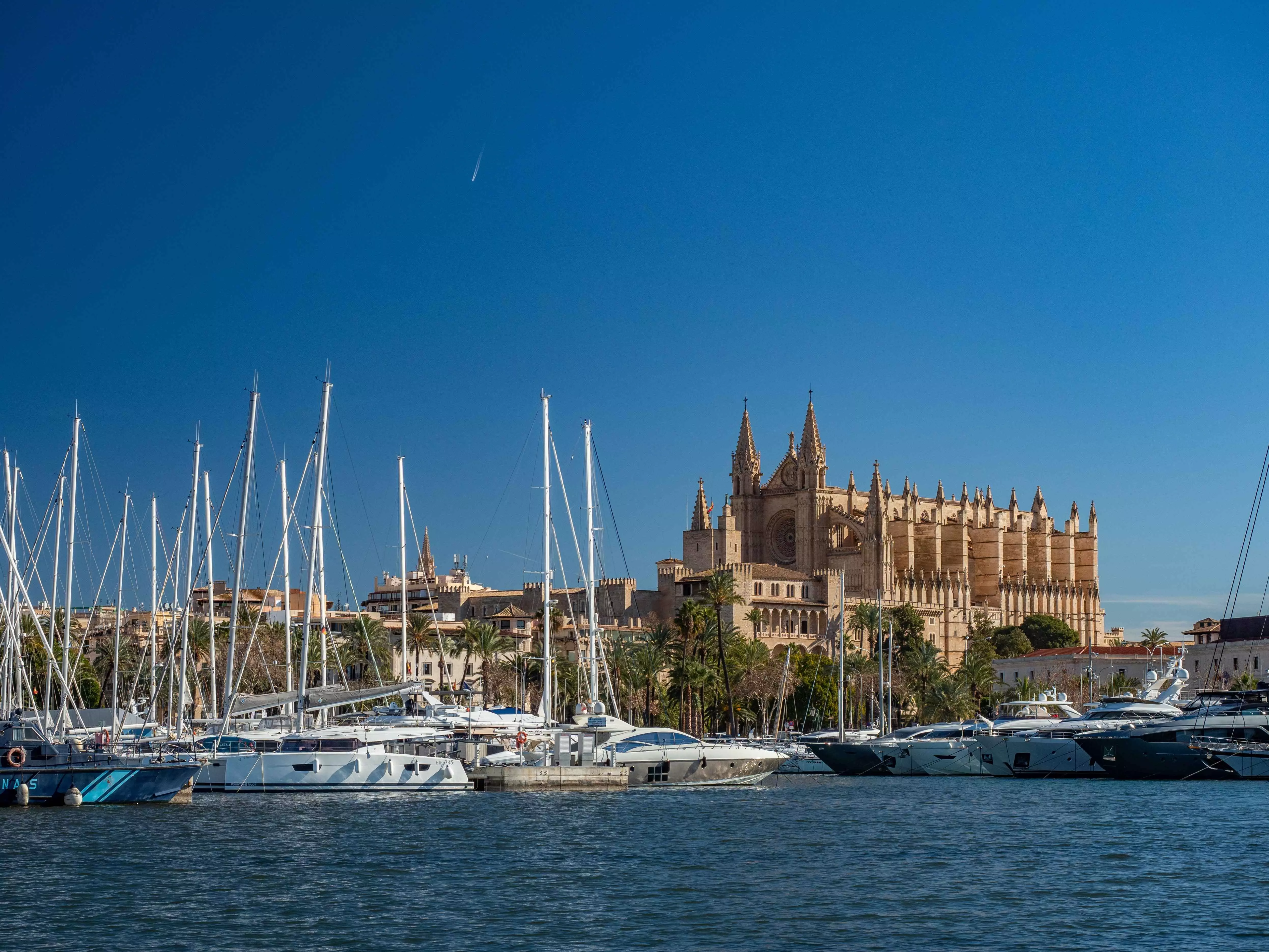
What to Do: Palma is the capital of the island of Mallorca in the Balearic Islands region of Spain. The city is known for its beautiful beaches, vibrant markets, historic Old Town and its lively nightlife and culinary scene.
Where to Stay: Some of the best areas to stay in Palma include Cala d’Or, Santa Catalina or the city’s lively centre. You’ll find amazing attractions, great transport links and access to the surrounding towns and beaches here.
Average Cost: Depending on the type of traveller you are, you can expect to spend around €70-€100 per day for budget travellers, while luxury travellers may spend around €400 per day on transport, accommodation and luxury attractions.
Seville
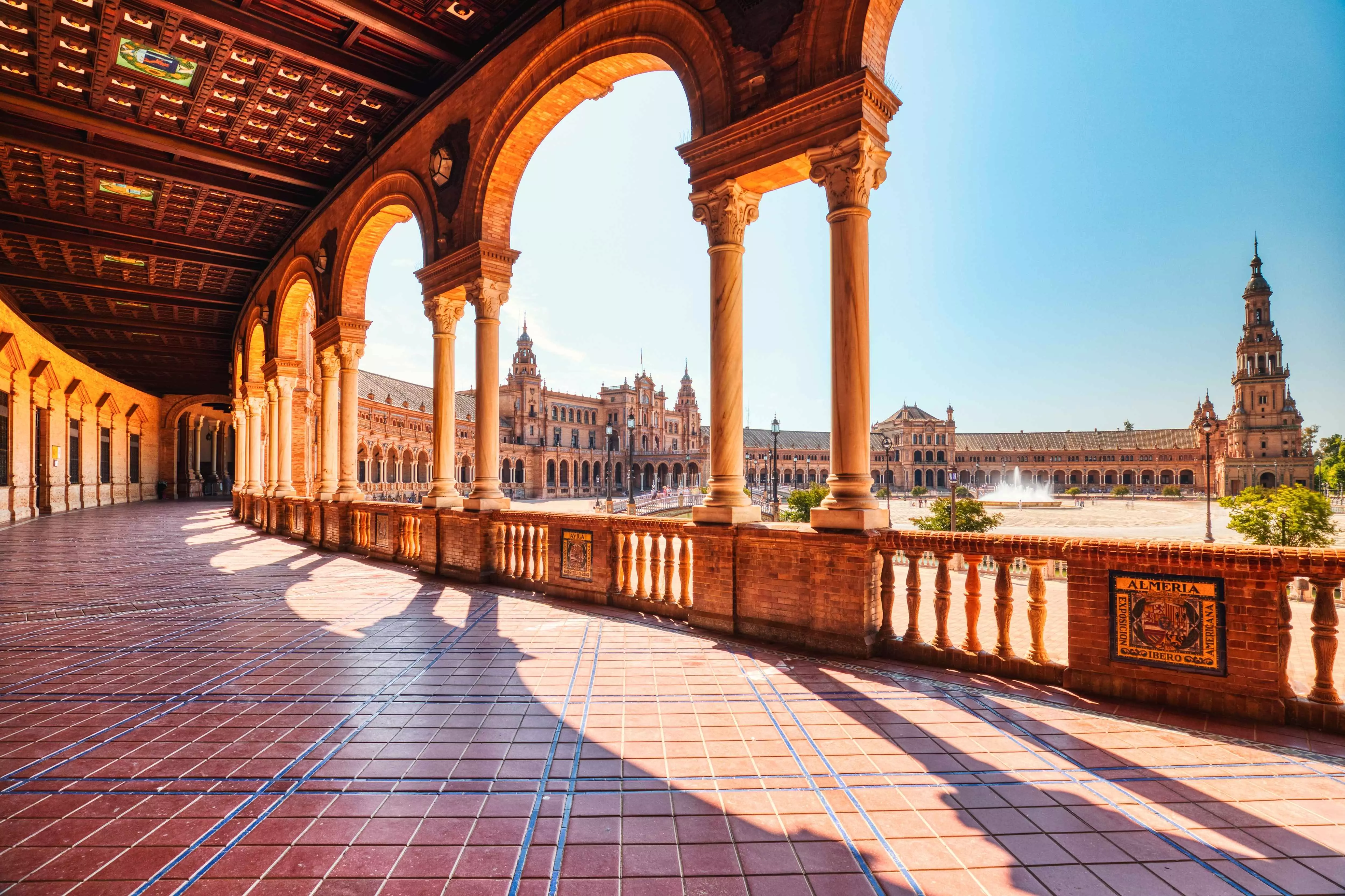
What to Do: Known for its association with flamenco, tapas and its rich history, Seville is one of Spain’s best loved cities. Go sightseeing, visit one of the many tapas bars, stroll through the city park or go museum hopping.
Where to Stay: Check out neighbourhoods or regions like Barrio Santa Cruz, Casco Antiguo or Barrio Alfalfa for the best collection of attractions, architecture and restaurants.
Average Cost: Costs can range anywhere from €50-€400 depending on the type of budget you have and what you’re looking to do and where you’re wanting to stay.
The Big Experiences You Don’t Want to Miss
Visit the Sagrada Familia in Barcelona, Guggenheim Museum in Bilbao, go island hopping around the Balearics and Canary Islands, take a vineyard and wine tasting tour in Rioja or simply relax on the beautiful beaches and lively promenades across the country – Ibiza, Palma, Fuerteventura and Tenerife are all known for their stunning coastlines.
Hidden Corners of Spain
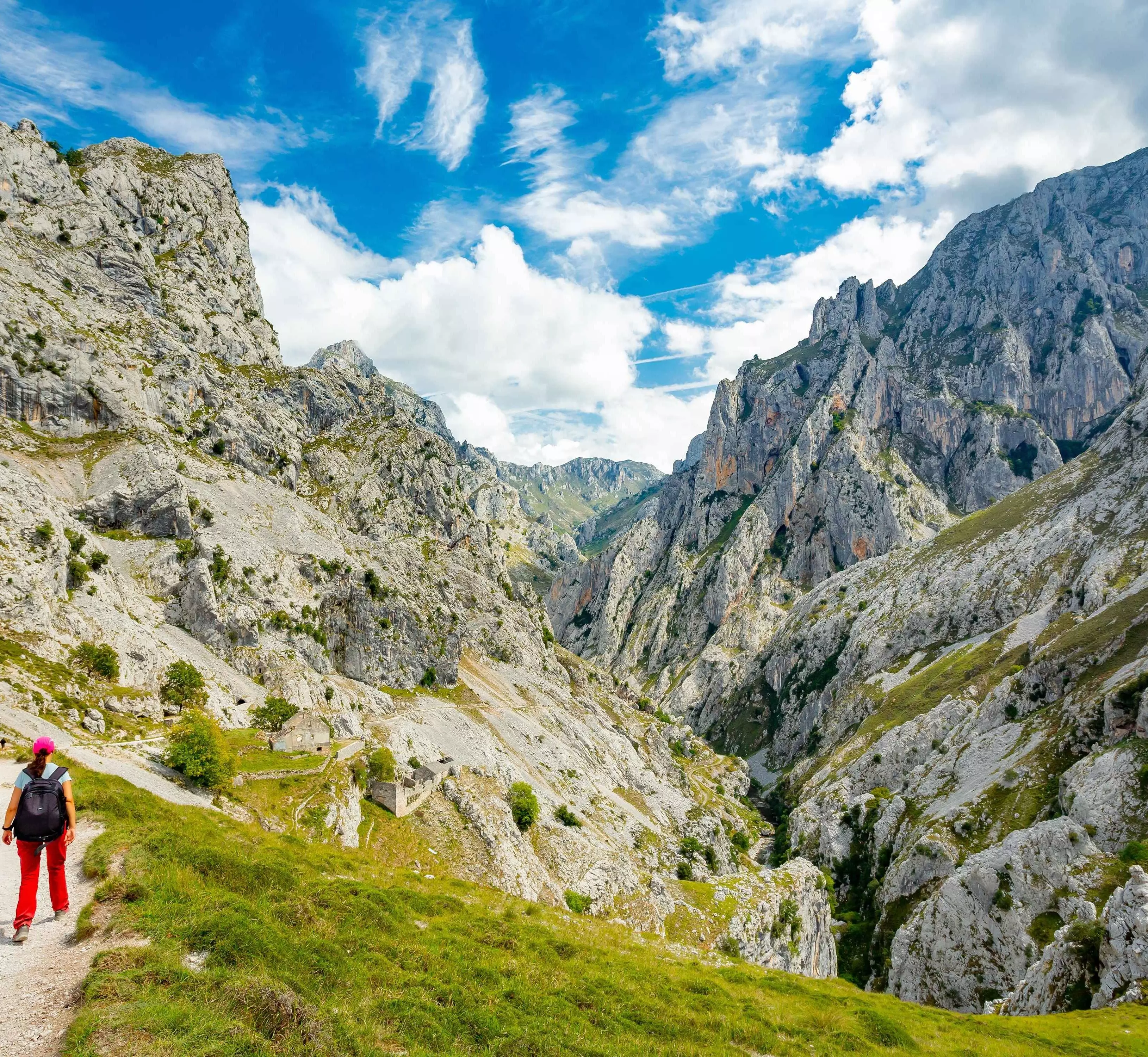
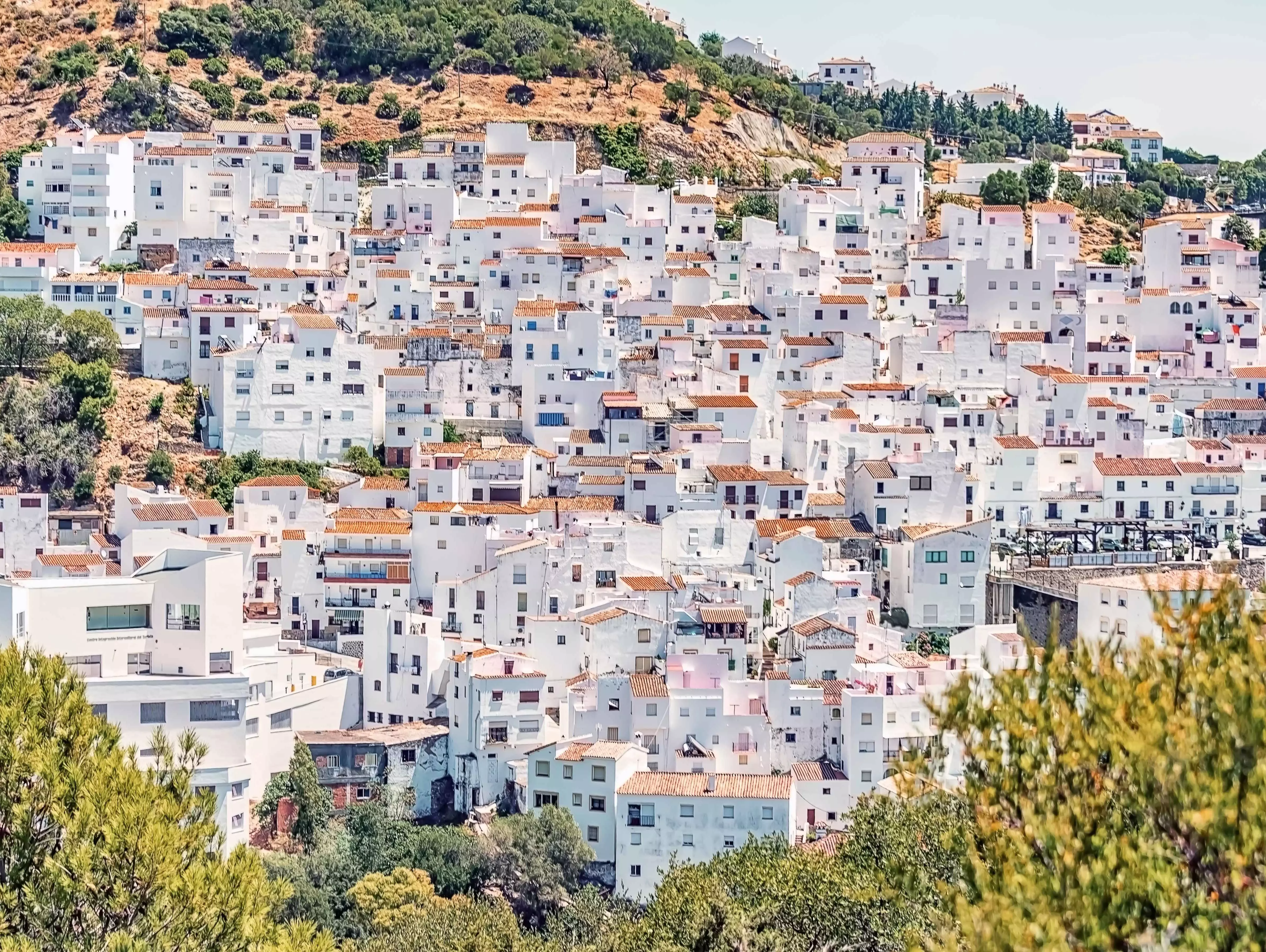
Away from the hustle and bustle of Spain’s busy streets, you can find a collection of hidden corners that offer a fulfilling and memorable experience and make your trip all the more worthwhile. Check out Andalusia’s white villages that mirror the stunning white buildings of Santorini in Greece or the stunning Picos de Europa in the Oviedo region.
How to Avoid Tourist Scams and Traps in Spain
Most often, scams happen at popular tourist sites to unsuspecting first-time visitors, or things like petty theft or pickpocketing. In order to avoid tourist scams like overcharging at restaurants or in taxis, and fake tours and tickets, it’s a good idea to book everything you want to do in advance via a reputable website that is well-reviewed and reliable.
You can book in person too but it’s a good idea to familiarise yourself with how much things like tickets, tours or taxis usually cost in your area so you can easily identify if someone is overcharging you.
Handy Tips and How to Plan Your Trip
You’re guaranteed to have an amazing time in Spain no matter where you go, but there are a few things you can consider to make your trip all the more hassle-free. Try to stick to cheaper accommodation, rely on public transport and be especially wary around popular tourist spots. Even if you’re a luxury traveller with a bit more cash to splash, you should still be money conscious and keep some over in case of emergencies.
Familiarise yourself with your location so you’re well versed on where the best areas are to eat, drink and stay to avoid traipsing the streets not knowing where to go. Things like car hire may also be useful, and Spain offers car hire from a wide range of reputable suppliers, but be aware that some cities are either fully or partially pedestrianised, especially their Old Towns or city centres.
Get ready to plan your trip to Spain

ABOUT THE AUTHOR
Lauren Coton
I love discovering and writing about new places which then get added to my now extensive travel list, but nowhere beats the comfort of my hometown Bristol or the sense of culture and community that my base of Cardiff exudes. That's why travel writing was a given for me.
SIMILAR ARTICLES

The 7 Best Wellness Retreats in Spain

The 7 Best Road Trips in Spain
The 7 Best Hidden Gems in Menorca

The 7 Best Hidden Gems in Ibiza
MOST POPULAR
newsletter