Looking for the best places to go in 2026? These 26 destinations are trending based on emerging travel data, cultural shifts, and new experiences shaping how we travel this year.
Travel has always said something about who we are, but where you choose to go – and how you choose to go – has come to express identity. It’s intentional. Travellers aren’t just picking destinations, they’re picking a mood, an experience, and an interest. It’s more about the ‘why’ than the ‘where’.
Technology is part of this shift. Gen AI has turned travel research into ultra-personalisation. And the destinations reflect that. Some travellers are looking up – to the stars and the cosmos – while others are looking forward, to biohacking and regenerative tourism. Food travel is still – and perhaps always will be – driving destination decisions, but ingredient-led travel is coming to the fore in 2026. Sports, second cities, sustainability, cool-cationing, music, and multi-generational trips are a part of reshaping why we travel, while budget-conscious shoulder season destinations continue to have their moment.
26. North Devon, England
What to go for: Affordable Cornwall alternative
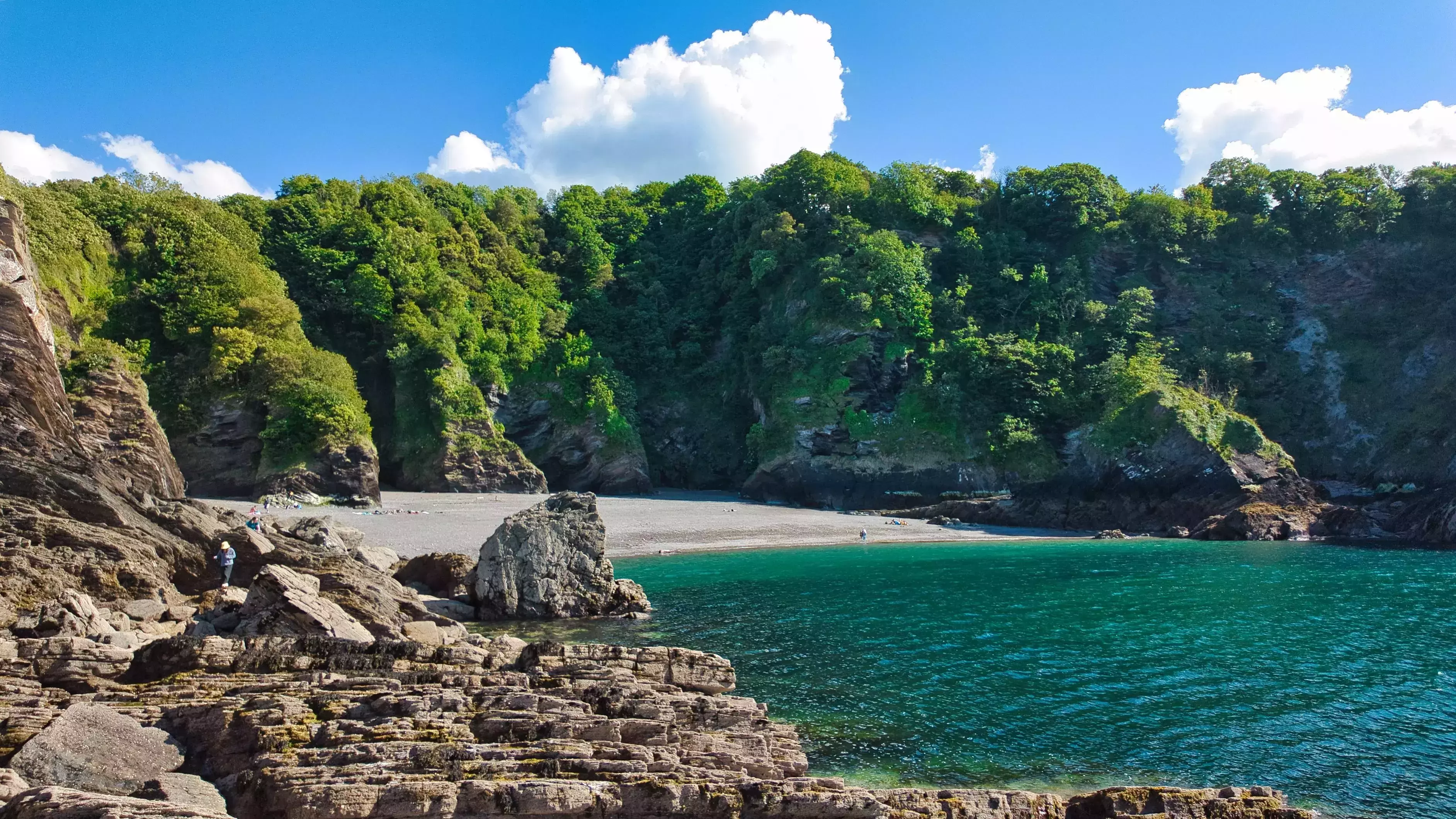
Cornwall is beautiful, but it doesn’t need more hype. Enter: North Devon, England’s more affordable coastal escape. The surfing matches Cornwall, particularly in Woolacombe and Croyde, as well as a rugged coastline that’s perfect for long sea-sprayed walks. Pubs and restaurants are also leaning into local produce and farm-to-table dining, without the celebrity chef price tag. Add in fewer crowds, and North Devon delivers on the salty, nostalgic, and outdoorsy vibe that makes the British coast so charming – without the chaos of Cornwall’s peak season.
25. Galloway, Scotland
What to go for: Wild swimming & camping
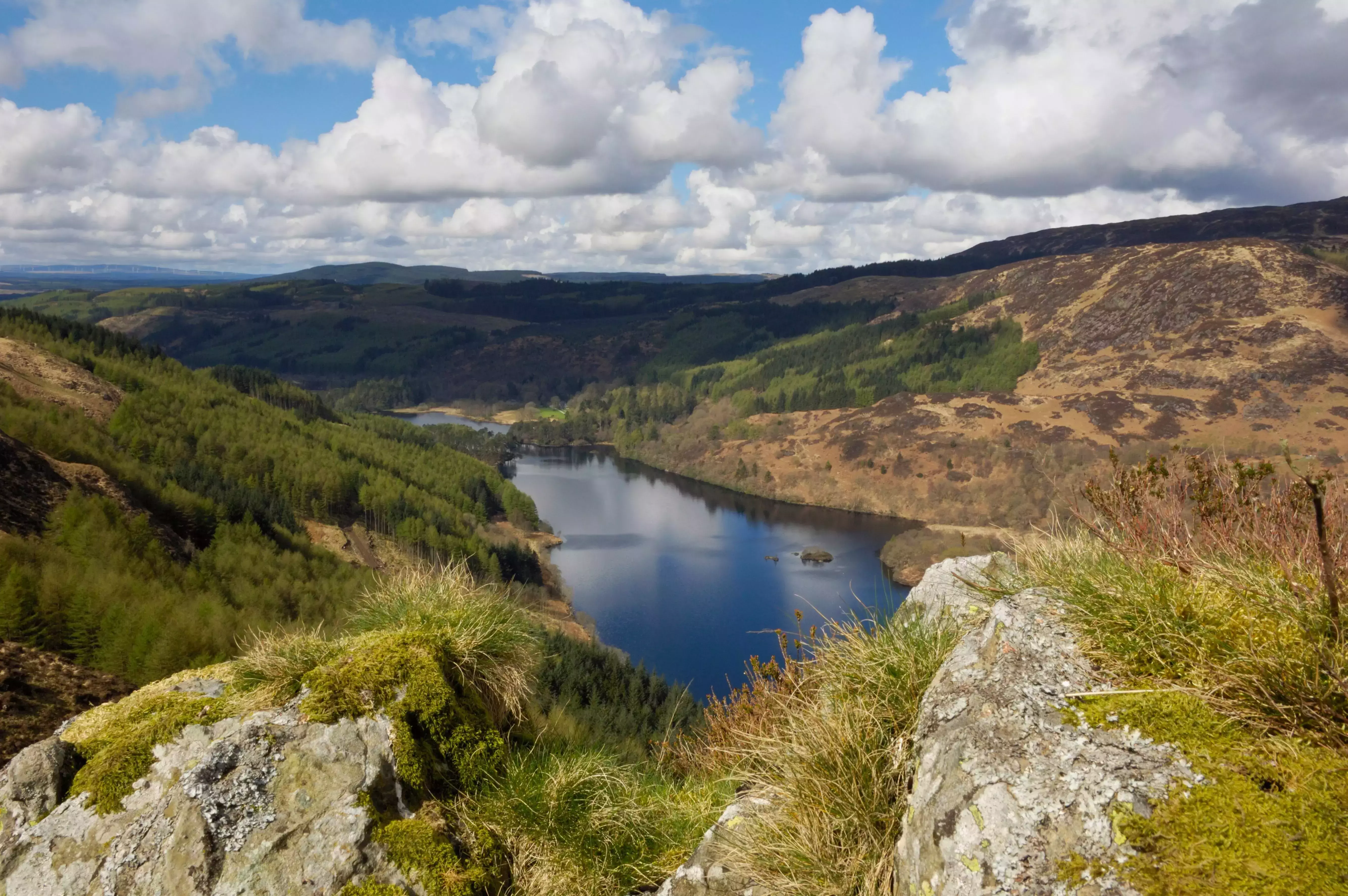
Road tripping continues to dominate trends, with Hilton's 2026 Trends Report noting that the hashtag #roadtrip has racked up more than 5.9 million tags globally as travellers rediscover the romance of the open road. Galloway's quiet roads and undulating views are the perfect setting for driving for leisure. And what awaits you at the end of the road is even better. Taking cold dips in inky lochs, pitching tents under wide Scottish skies, and campfire dinners that taste even better from the effort.
24. Newfoundland, Canada
What to go for: Cool climate, cool culture
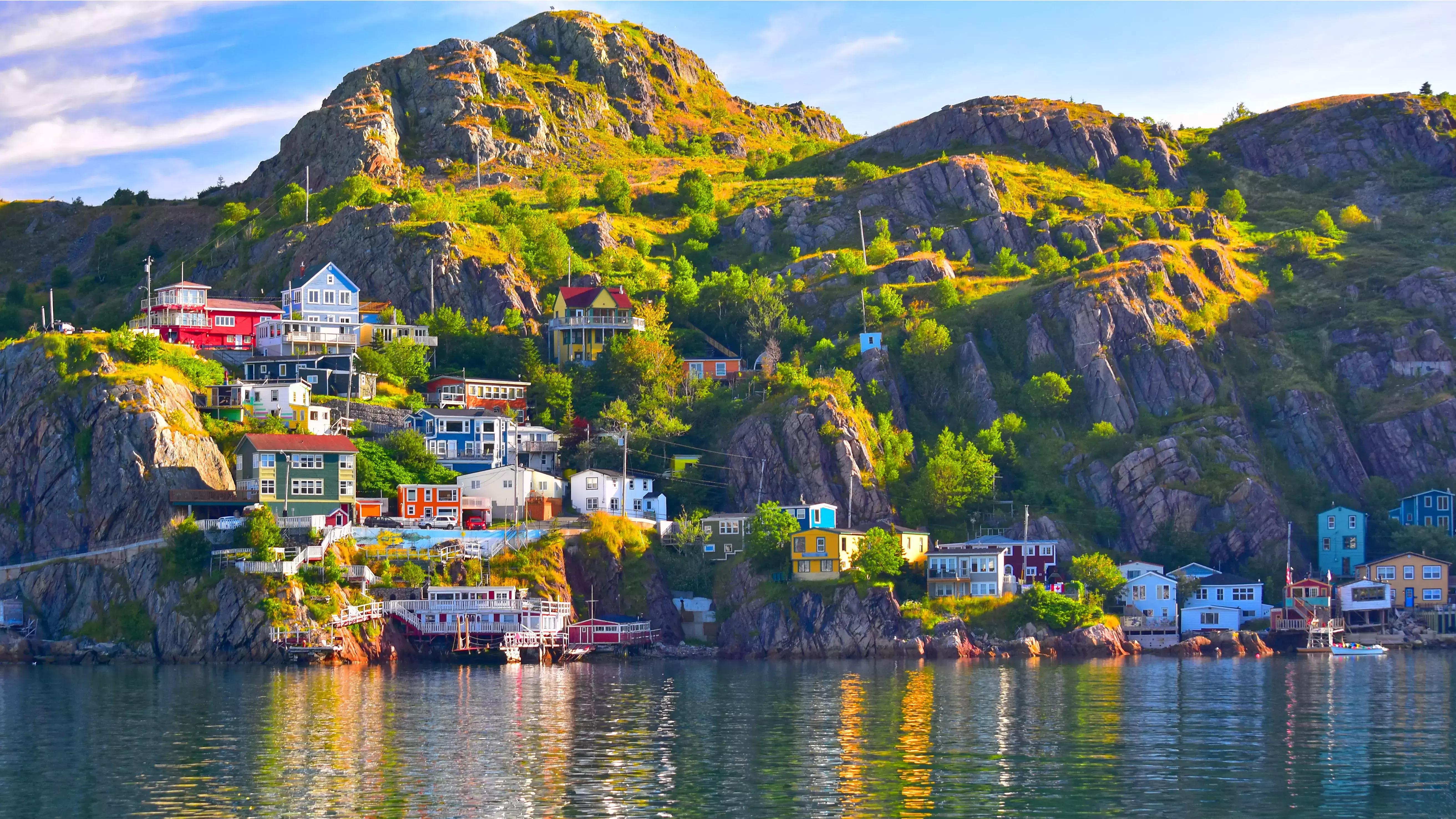
In 2026, rising global temperatures and overtourism are pushing travellers toward cooler destinations like the quirky island of Newfoundland. This salty, windswept dot in the Atlantic Ocean is closer to Dublin than it is to Toronto, and with that comes a culture of its own. A deep maritime history is the heart of Newfoundland, and the main calling card is the nature – icebergs, puffins, whales, and dramatic cliffside hikes – which complement the artsy vibe of this friendly island.
23. Caucasus, Georgia
What to go for: Quiet mountain hikes
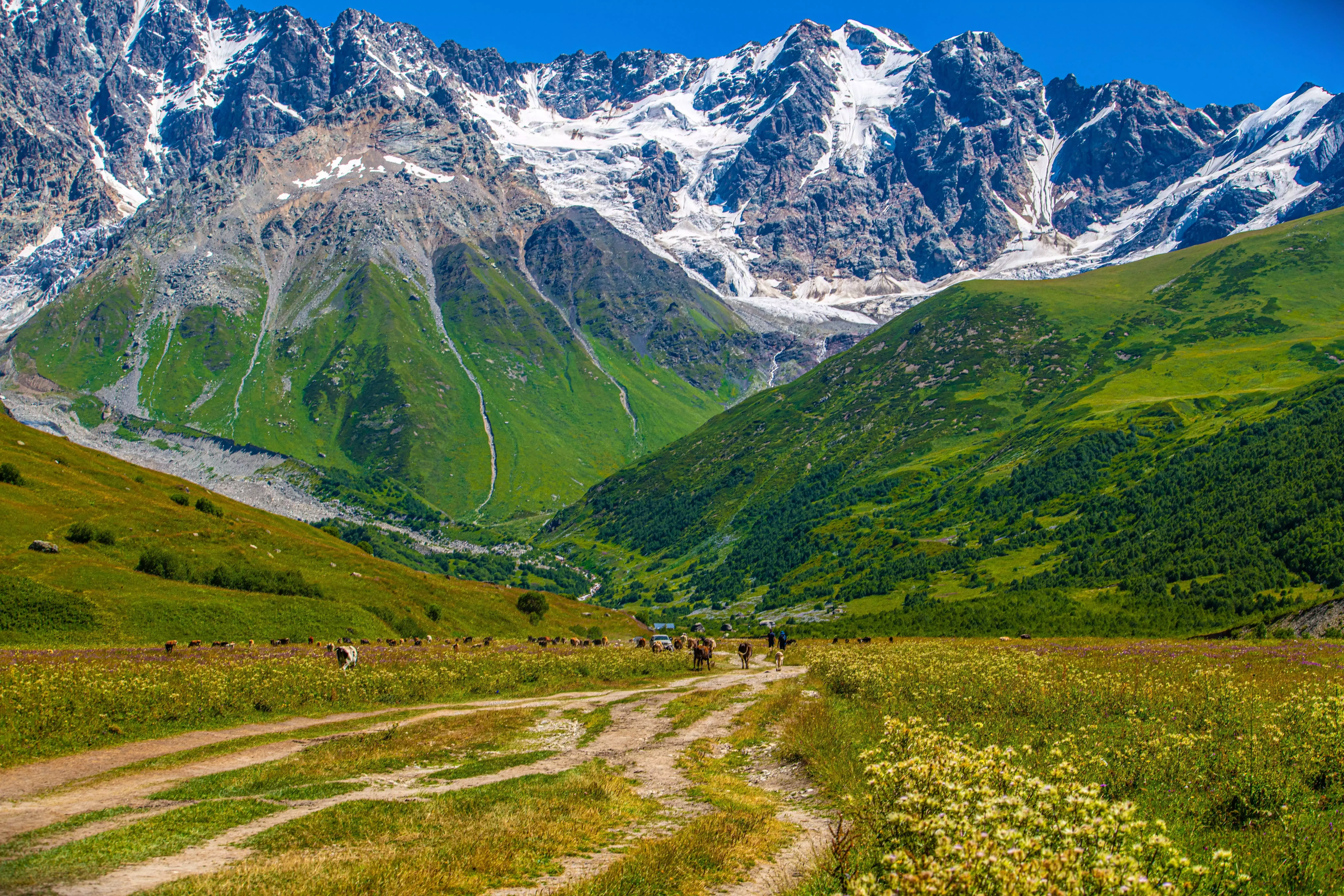
Tbilisi has been a cultural hotspot for a few years now, and it’s not long before the Caucasus has its Dolomites moment. But it’s still under the radar, so if quiet dramatic landscapes interspersed by traditional villages sound good to you, the Caucasus should be on your radar for 2026. And it’s not just about the hiking. Traditional food producers meet future-forward regenerative agriculture, the wine is some of the world’s best (the Caucasus is the birthplace of wine, after all!), and the slow pace of life – shaped by community – is something a lot of travellers are seeking right now.
22. Azores
What to go for: Regenerative tourism
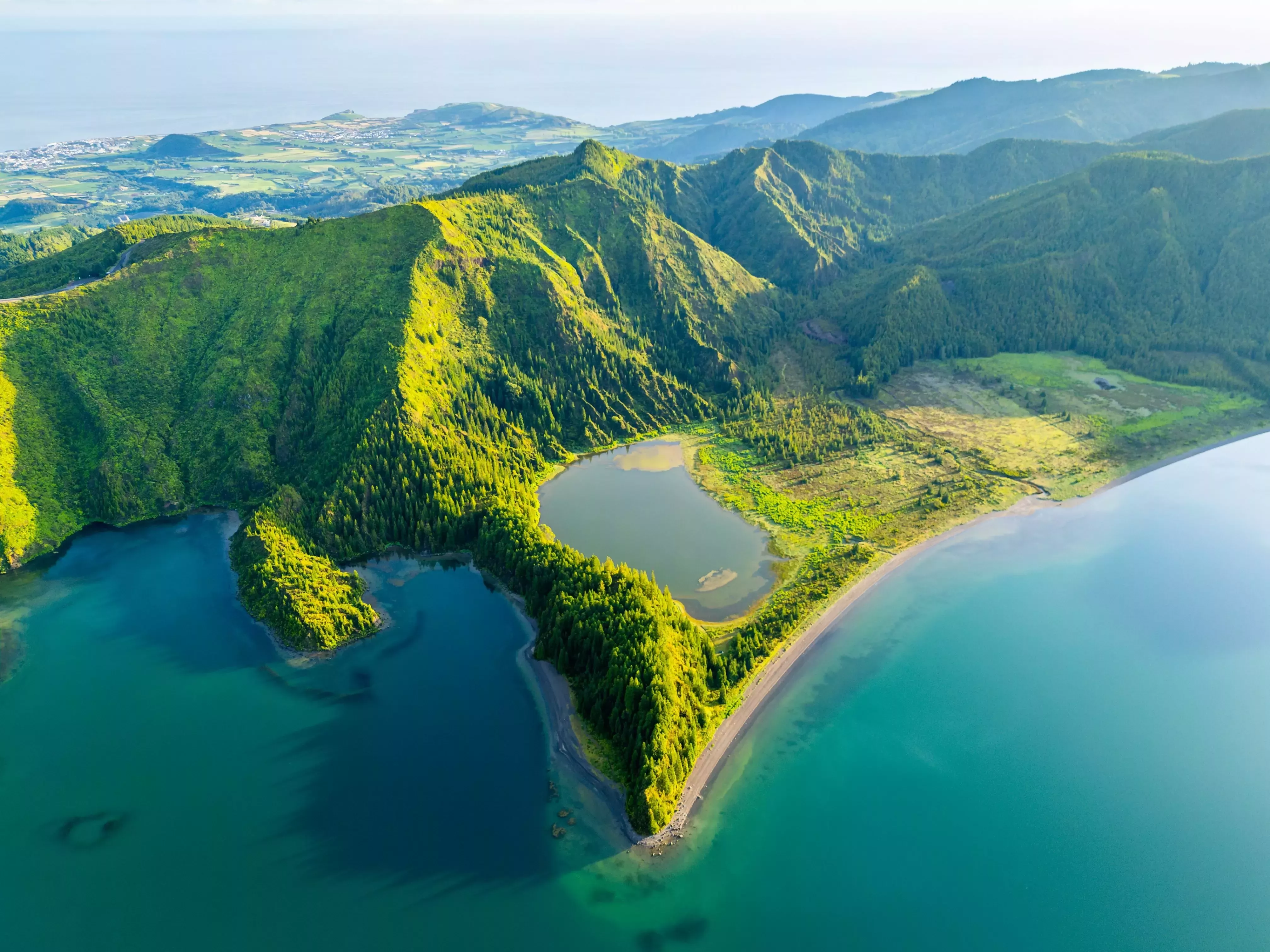
Sustainable travel isn’t just about aiming to do as little harm as possible to the environment, it’s become increasingly important to leave a place better than you found it. Certified as the world’s first sustainable archipelago by EarthCheck, the Azores is home to a variety of ecosystems – volcanic lakes, geothermal fields, marine reserves – and visitors are invited to help take care of them. Travellers can join reforestation projects, stay on farms that practice circular agriculture and regenerative dairy production, and head out on whale watching trips governed by strict marine biology regulations.
21. Sankt Anna Archipelago, Sweden
What to go for: Away-from-it-all quietcation
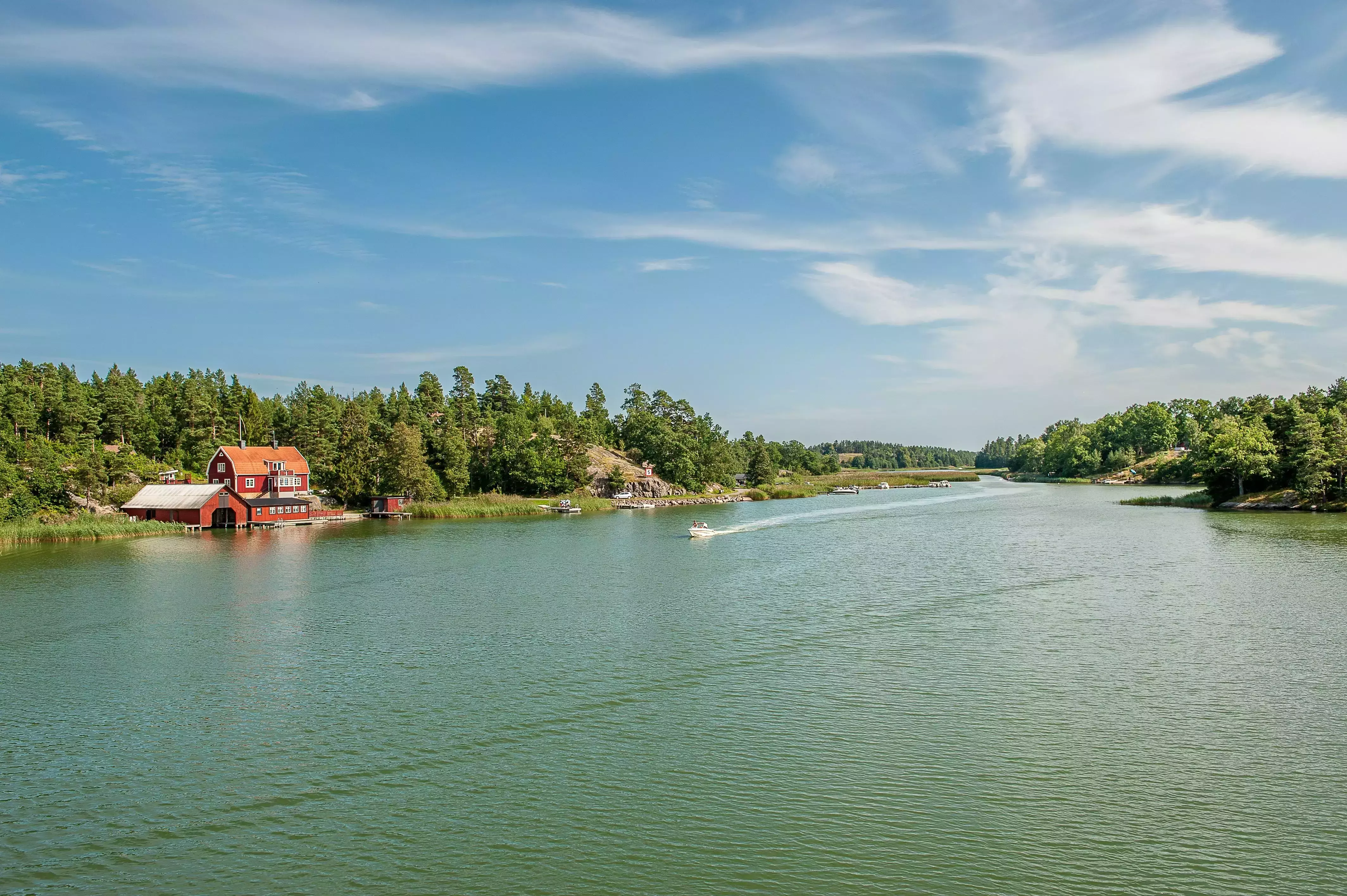
If you really want a break from endless scrolling, why not give your hands something else to do – like kayaking in Sweden’s Sankt Anna Archipelago? The weaving maze of 6,000 islands, skerries, and islets is the ideal place to refocus your attention from the daily grind to something much simpler: where you’ll sleep that night. There’s something about gliding through the untouched landscape, journeying to your camping spot, and rustling up dinner on a portable stove that’s deeply restorative. With little chance of encountering anyone else beyond the occasional kayaker or wild camper, the Sankt Anna Archipelago offers a rare kind of luxury – simplicity, slowness, and quiet.
20. Yunnan, China
What to go for: Tea mountains
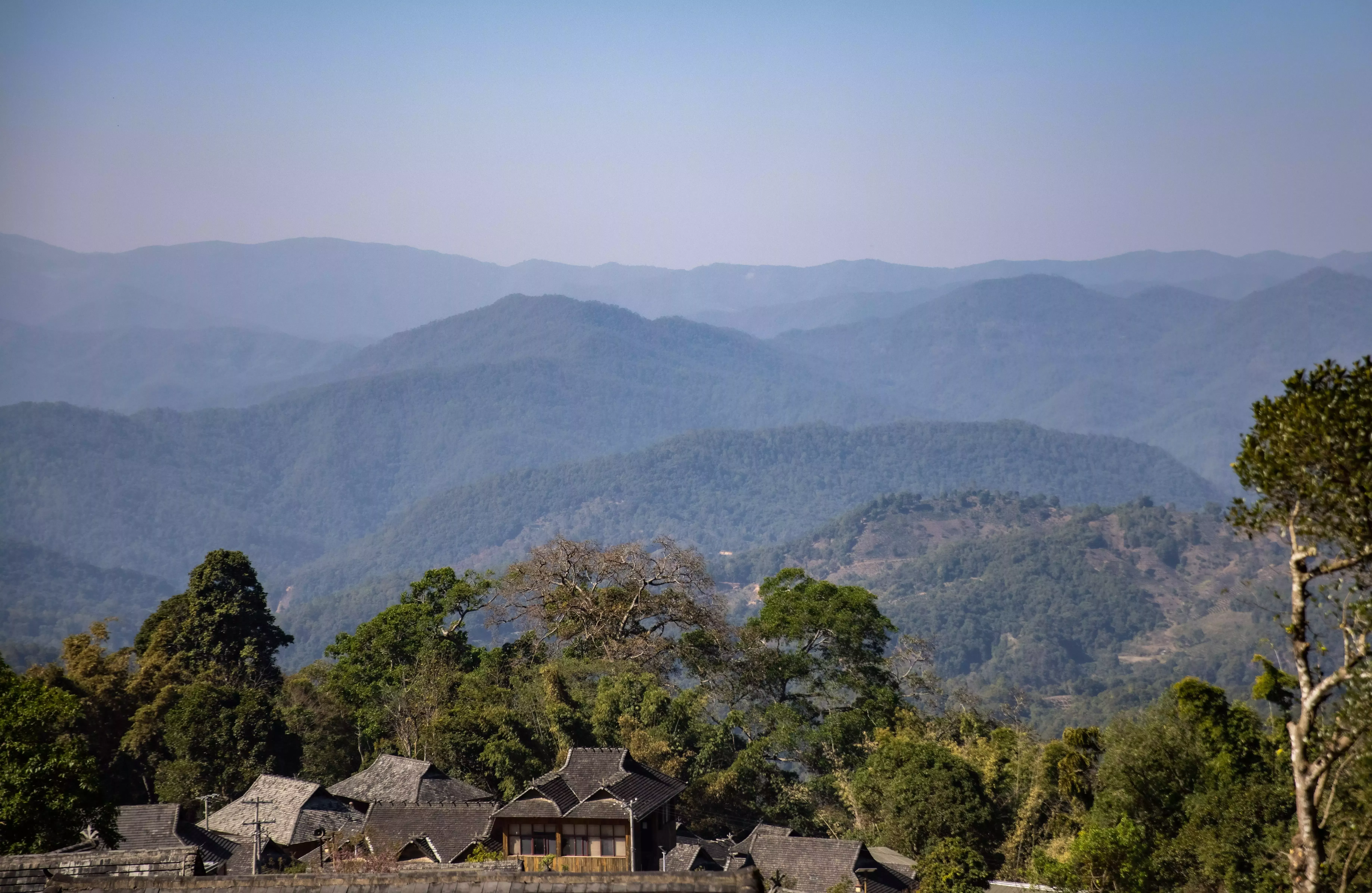
2025 was all about coffee travel, and 2026 is all about tea. While hot beverages aren’t *actually* linked to years, there is something to be said about the rising tea trend and the arm of wellness that prioritises low-inflammation diets. That said, there are few places in the world to feel more wellness-y without the white robes than in the misty ancient mountains of Yunnan. The slopes are home to pu’er, one of the world’s most revered teas – it’s earthy, smoky, and picked by hand. Tea here has never been a trend – it’s heritage, community, and an agricultural bloodline. Sitting on the border of Vietnam, Yunnan is home to various ethnic groups that cultivate and protect this verdant corner of China.
19. Dakar, Senegal
What to go for: Creative capital
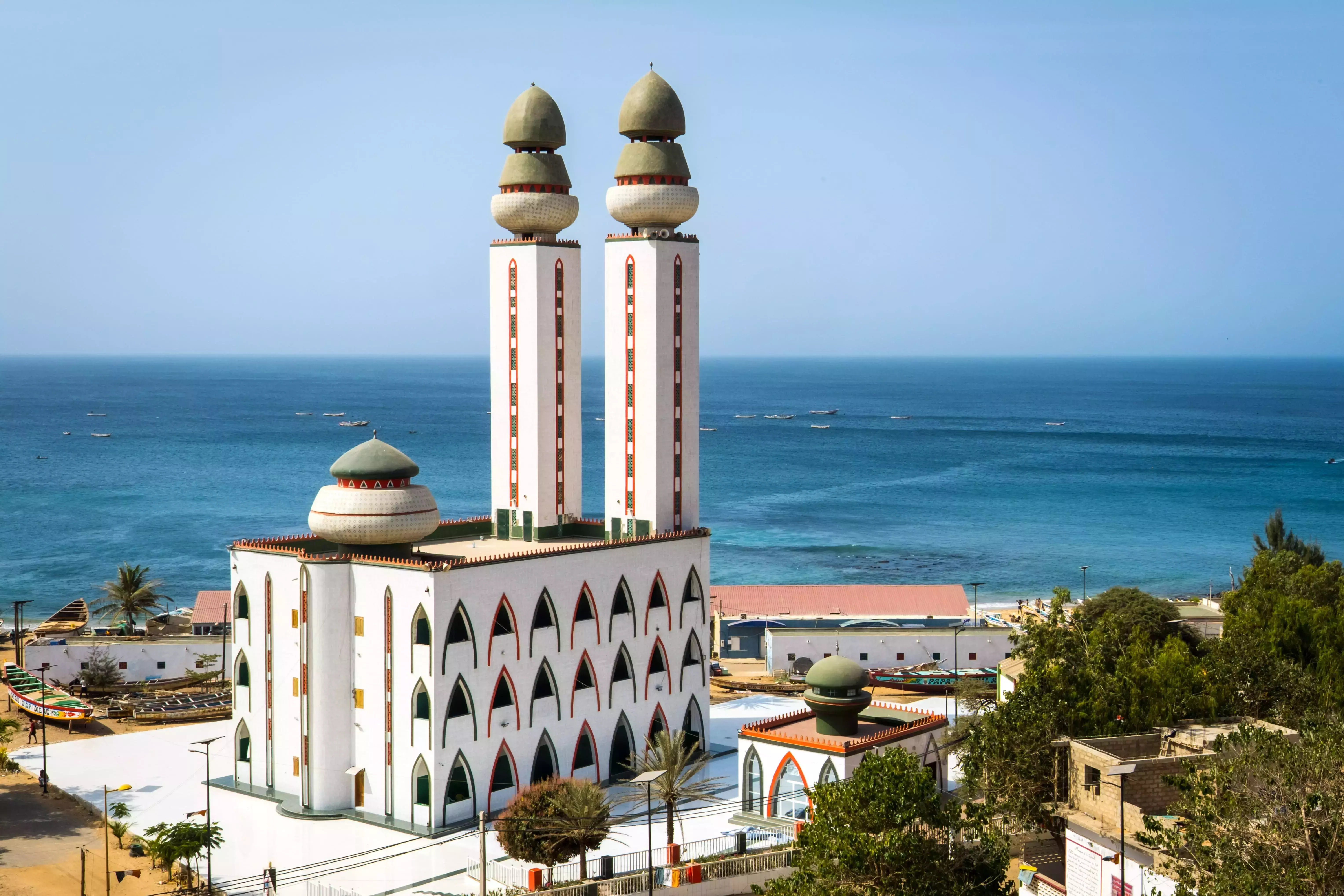
Dakar is having a creative renaissance. The Dakar Biennale returns in 2026, but the energy runs year-round with gallery collectives, design studios, and a fashion scene shaped by both tradition and modernity. And a new generation of return diaspora is a part of pushing the city forward, shaping interesting conversations about identity and heritage that run through the city, while spotlighting the city’s coastal energy. Add in a fantastic food scene – think seafood and plenty of spice – and some of West Africa’s most captivating architecture, and you’ve got one of the most compelling city breaks for 2026.
18. Tasmania
What to go for: Eco-led nature retreats
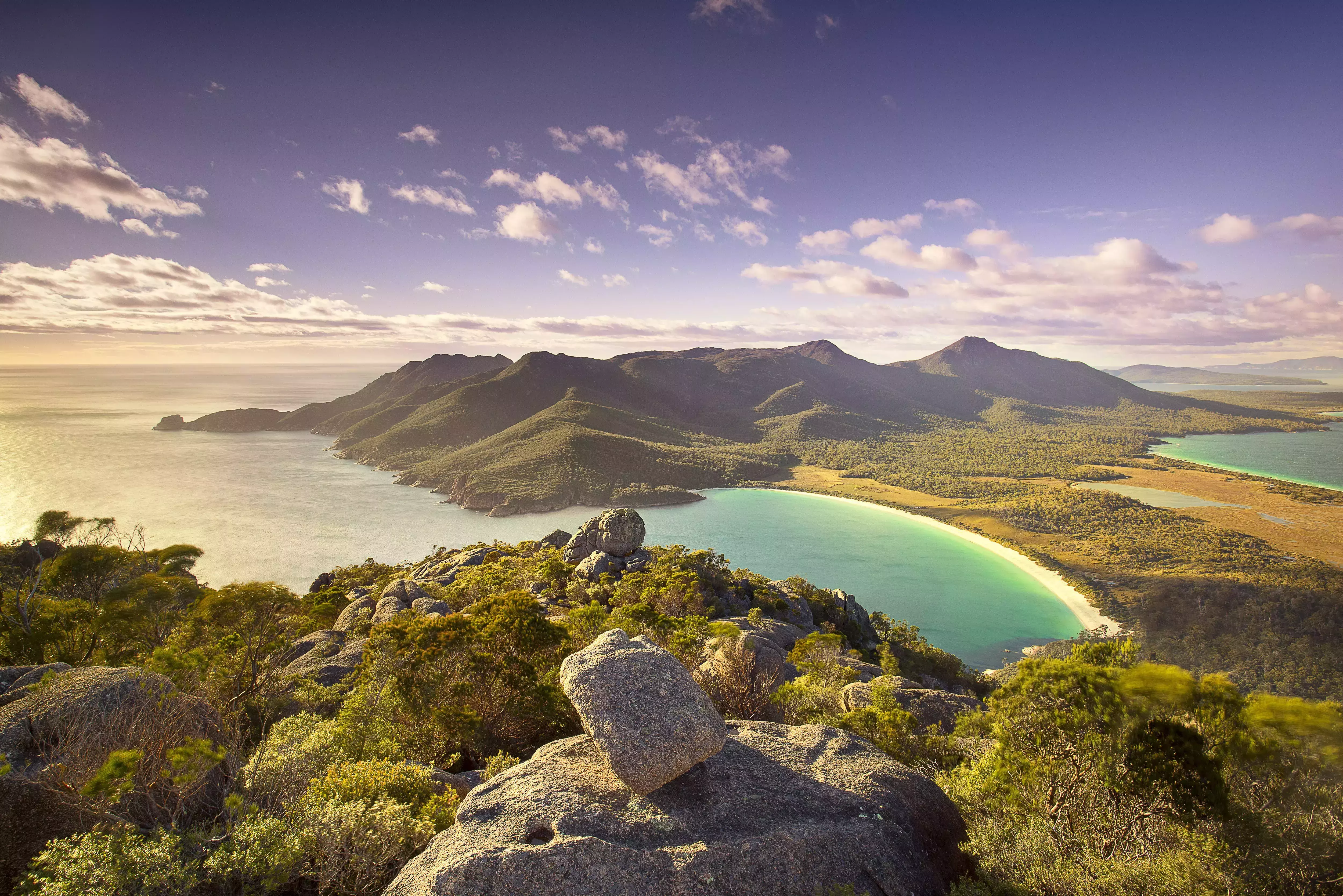
Australia’s island state has quietly become one of the world’s most interesting eco-luxury destinations. Food has a big part to play: cool-climate vineyards produce unique wines, truffles are among the best in the Southern Hemisphere, there are oysters aplenty, and whiskies are earthy. Soft adventure is found in gorgeous coastal hikes, waterfall treks, and off-grid accommodation like bush retreats, glamping, and lodges. Conservation is also a huge part of the travel experience, from Tasmanian devil sanctuaries to marine conservation projects. If you still thought Tasmania was an extension of Australia, you won’t after this.
17. Etna, Sicily, Italy
What to go for: An alternative wine region
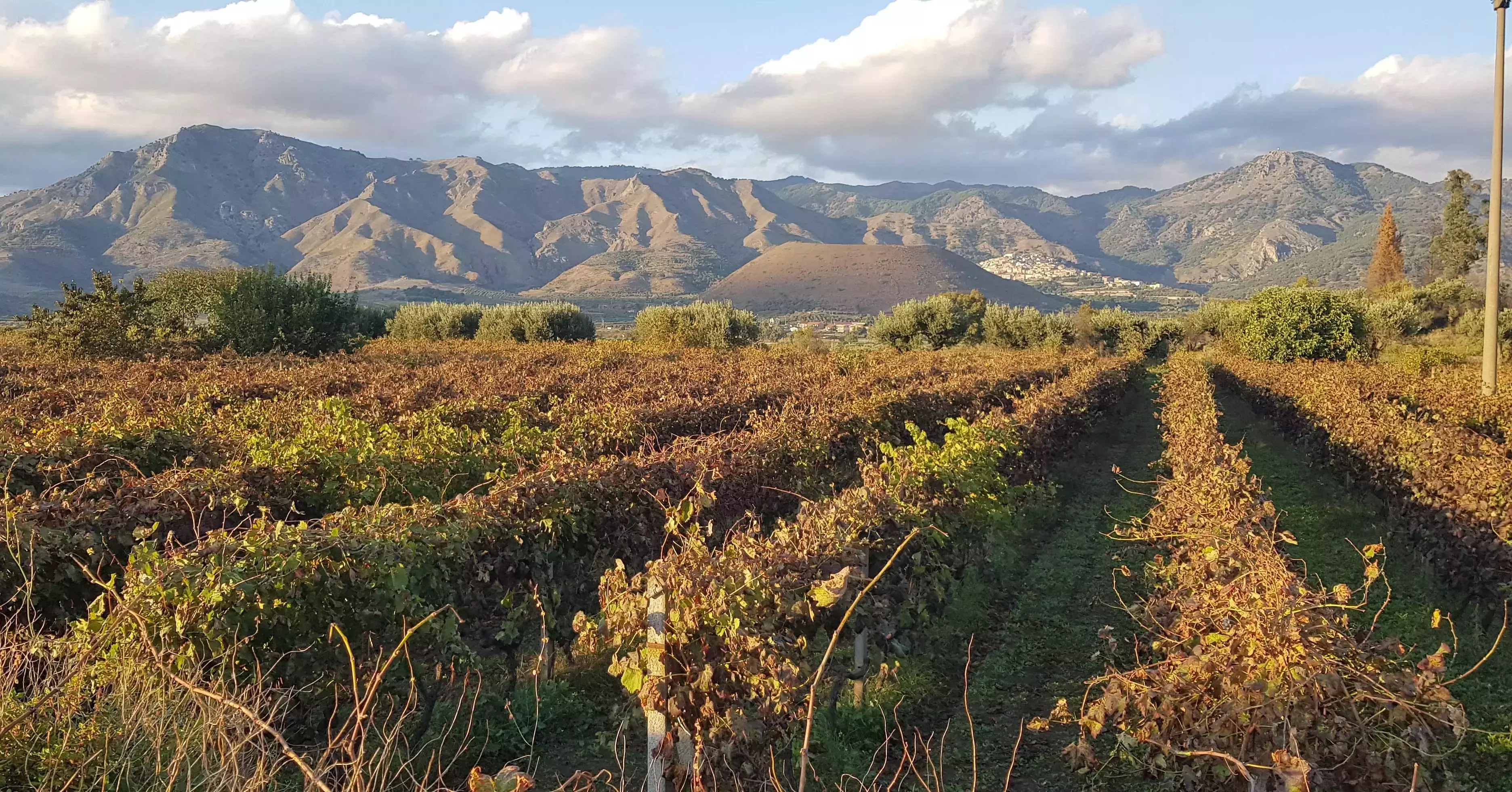
Wine connoisseurs have been raving about Etna for a few years, praising its volcanic soil, high-altitude vineyards, and endemic grapes. The dramatic landscape – the combination of being in Sicily, tasting unique wines, an active volcano looming, and the Mediterranean Sea in sight – adds to the magic. There are so many vineyards climbing the slopes of Mount Etna, but Al-Cantàra, a boutique winery on the northern slopes, is a standout. Al-Cantàra produces fantastic Nerello Mascalese reds and Carricante whites.
16. Istria, Croatia
What to go for: Truffle hunting
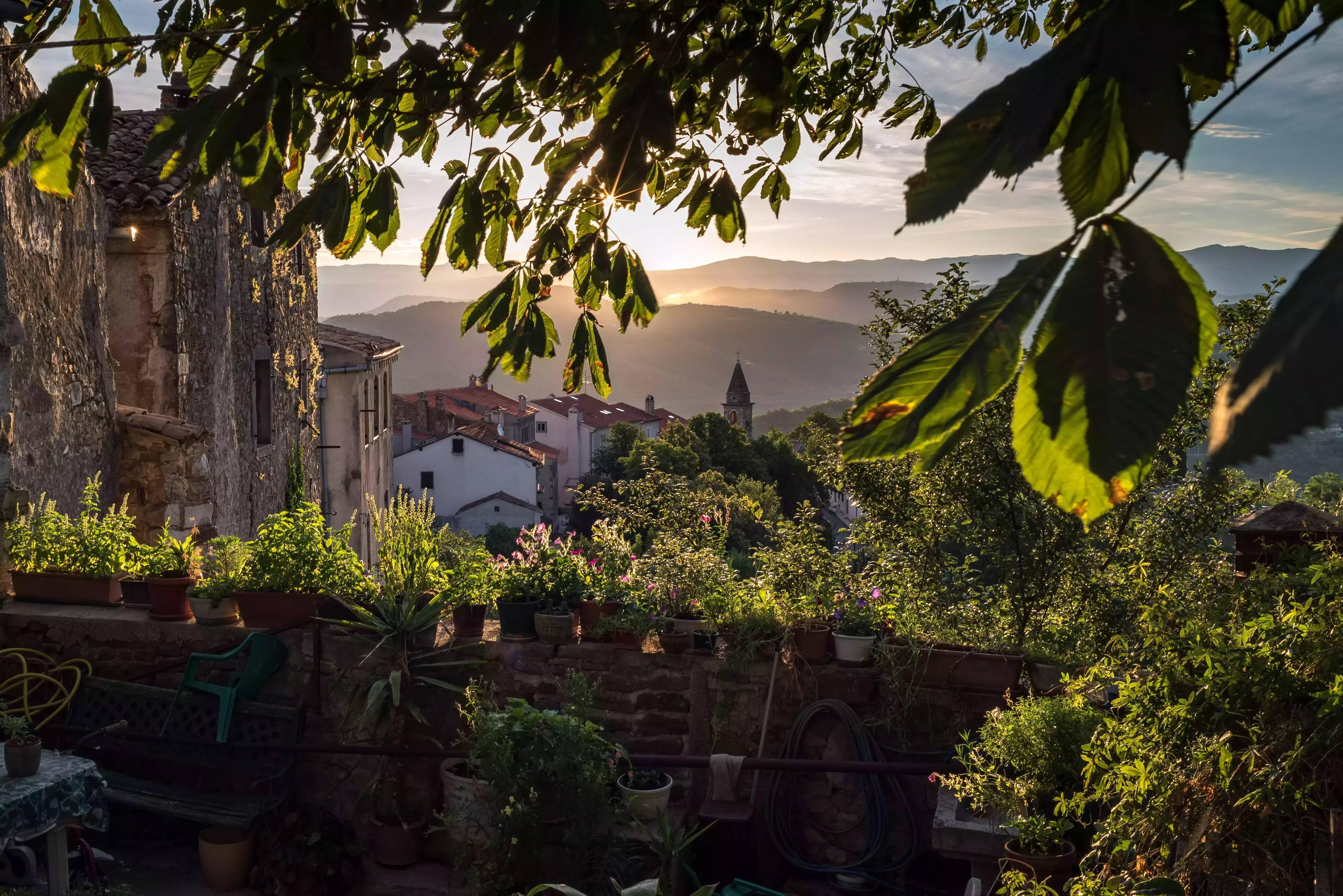
Tuscany is considered the home of truffle hunting, but its Eastern European counterpart is hot on its truffle-pig-tail. There might not be actual truffle pigs in Istria – highly trained dogs help sniff them out – but it’s every bit as authentic. Visitors can take truffle hunting tours with experts through dense forests, seeking out white truffles between September and December, and black truffles between December and March. And if you’re hunting for a new foodie destination to match the loftiness of the Basque Region and Copenhagen, Istria should be on your list. There’s a calendar of food festivals celebrating the region’s traditional pasta (fuži), world-class olive oil, wine (showcasing local Malvasia and Teran wines), and, of course, truffles.
15. Lagos, Nigeria
What to go for: Afrobeats & nightlife
Lagos has so much going for it right now, it’s hard to keep up. First: afrobeats. Nigerian-born Tems, Burna Boy, Rema, and many more are bringing the genre to the world stage, but Lagos is afrobeats HQ. Clubs, mainly in Lekki and on Victoria Island, are full every night of the week, and there’s a packed music festival calendar. And it’s not just about the music. Lagos is a cultural pilgrimage for fashion, film, and art, with bold designers, new Nollywood, and endless exhibitions and galleries – including the fifth edition of the Lagos Biennial from October 17th to December 18th 2026.
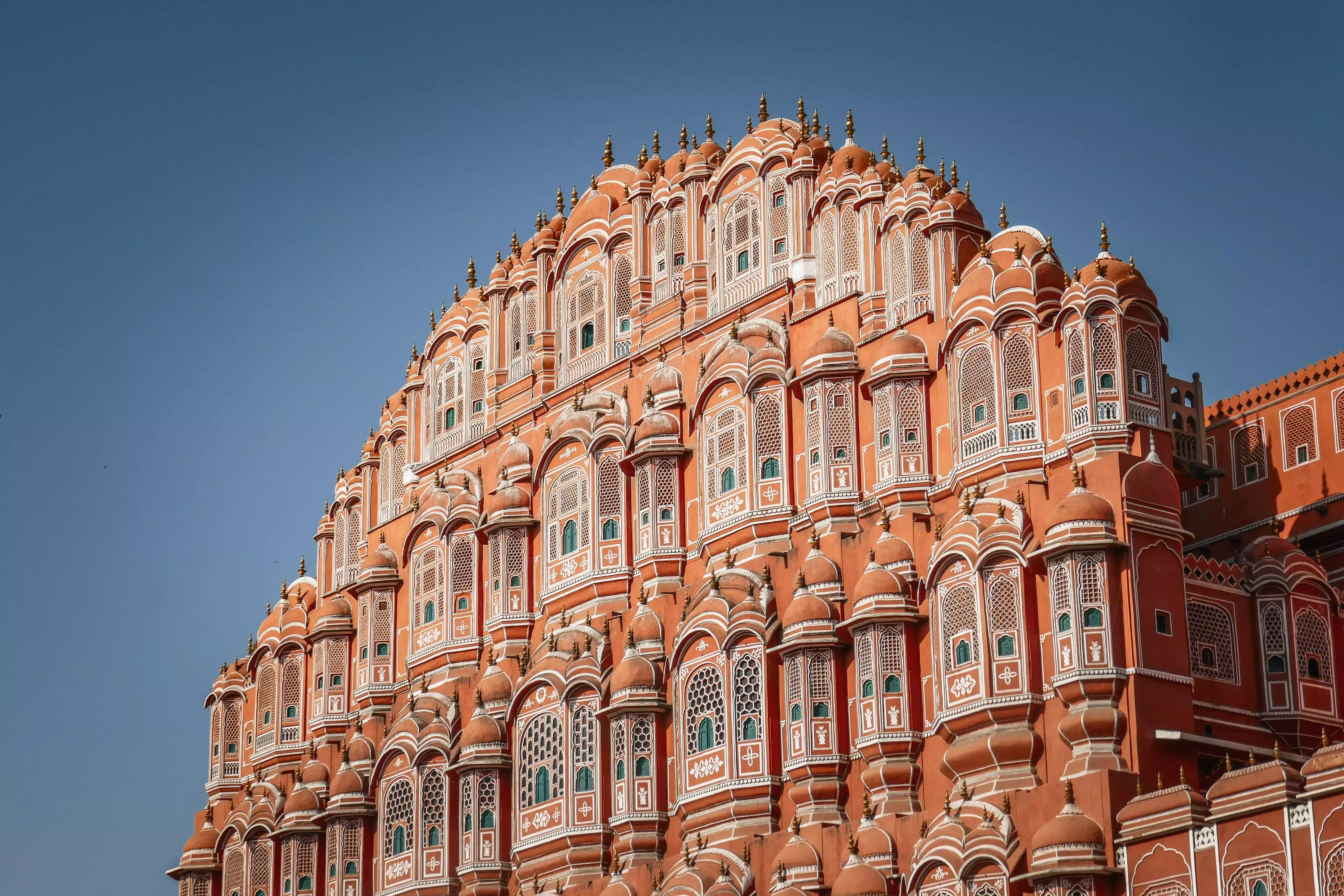
14. Rajasthan, India
What to go for: Train tracks over runways
Old-world romance runs deep in Rajasthan. Ornate palaces, luxury safari camps among the tigers in Ranthambore National Park, and lakes lined by royal residences. Between Udaipur, Jaipur, Jodhpur, and more, it’s a region that travellers like to take slowly. Overnight trains bring the experience together in a way that flying never could, where the journey becomes much more than logistics. It’s absolutely inefficient, but that’s the point. When else could you guiltlessly wile away hours staring out the window at towns, deserts, and sometimes, beautiful nothingness? The level of luxury varies, from regular passenger trains on the North Western Railway to opulent carriages like the Maharajas’ Express, while the expanding Vande Bharat connects Jaipur and Delhi.
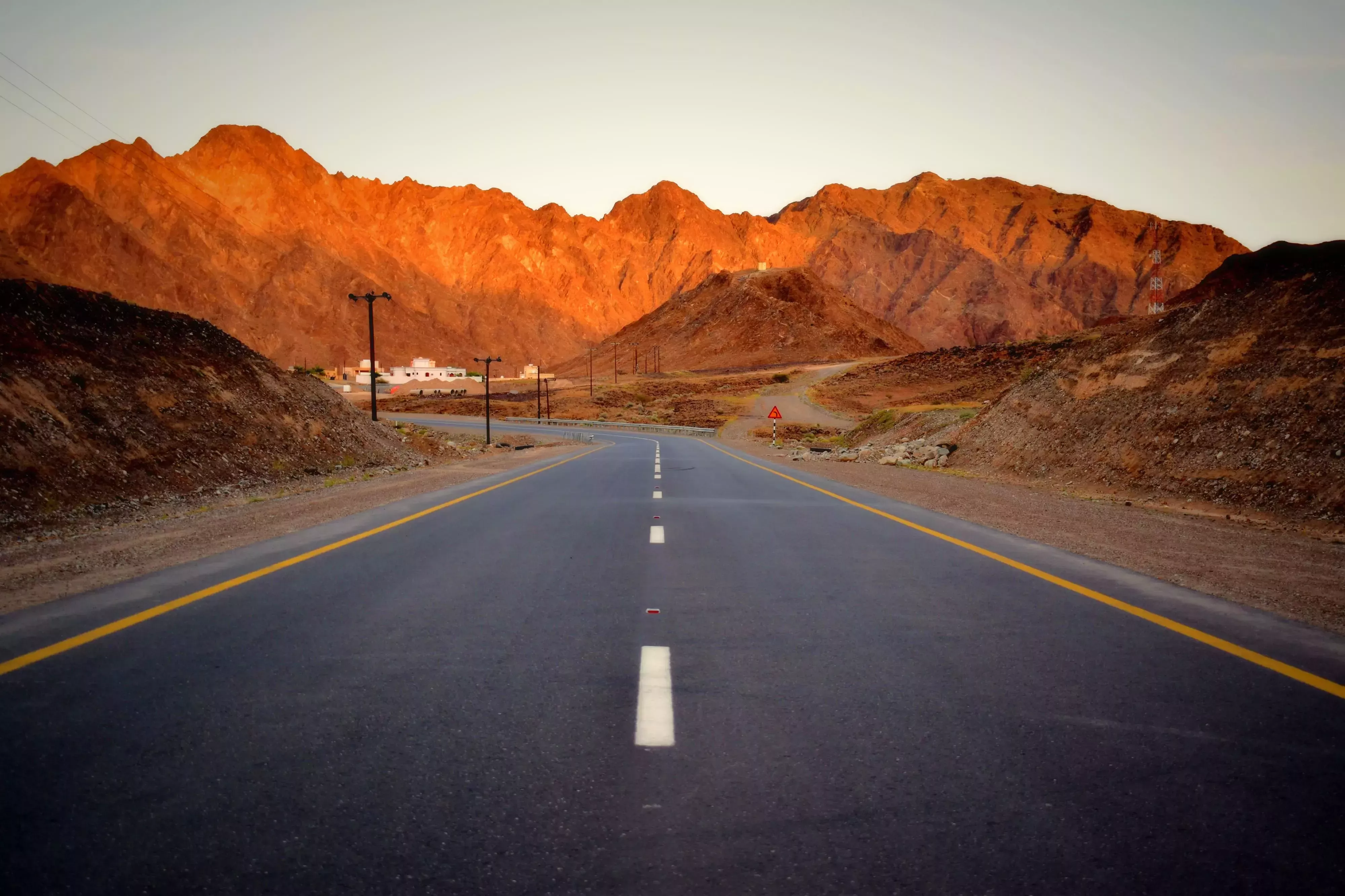
13. Oman
What to go for: Road trip adventure
Wide, quiet roads, diverse landscapes, year-round sunshine, friendly locals, AND affordable fuel? Oman is road trip heaven. The classics will always have their place – think NC500, Route 66, and the Great Ocean Road – but for an underrated road trip adventure, it’s hard to beat Oman. It’s a cliche, but it really is about the journey here. In a matter of days, you can go from opulent Muscat to swimming with turtles in the Dimaniyats, hiking canyons and dipping into the pearlescent sinkholes of Wadi Shab, before glamping beside the dunes of Wahiba Sands.
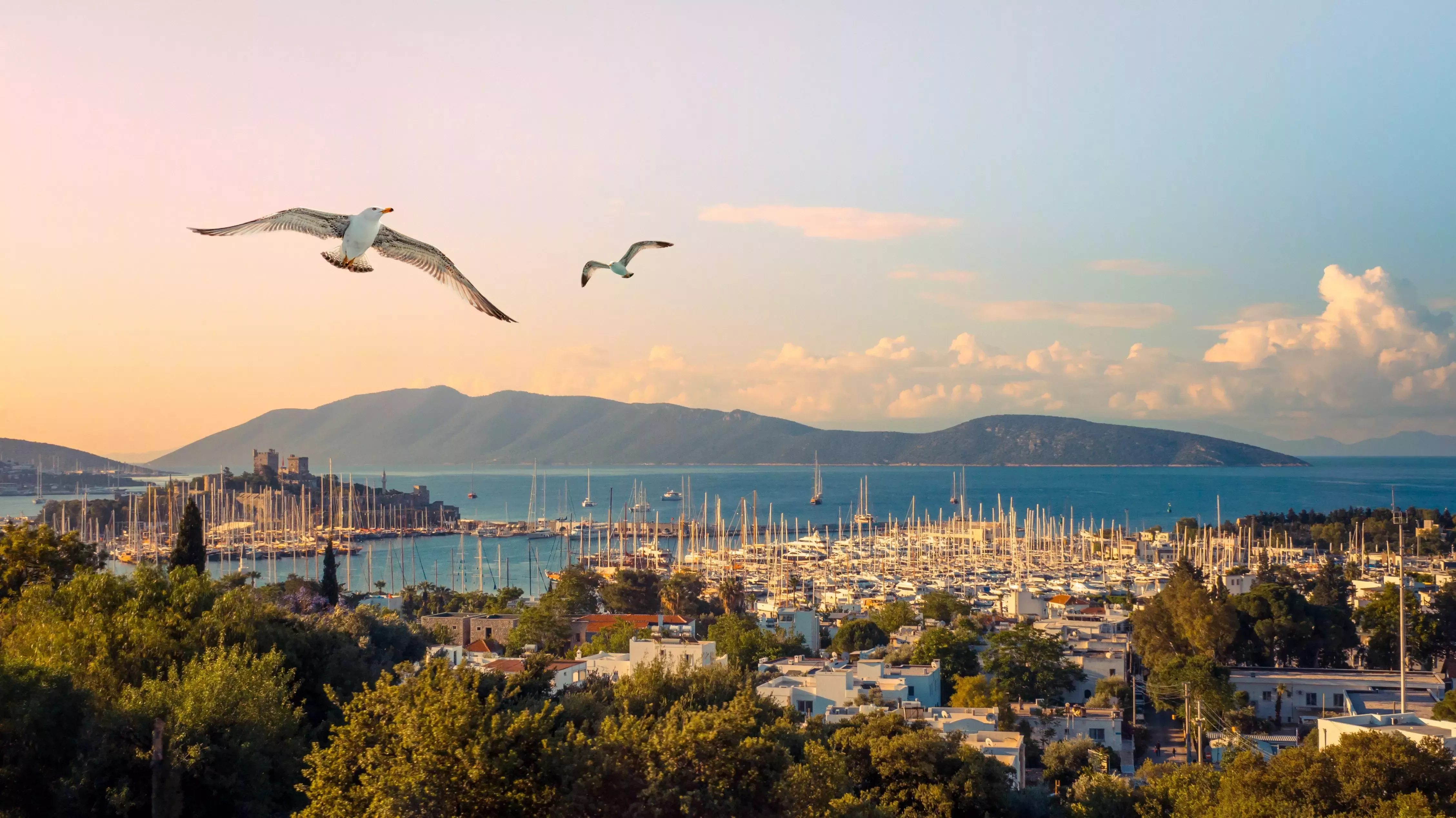
12. Bodrum, Turkey
What to go for: Coastal boutique hotels
Boutique hotels have become as much of the destination as the destination itself, with attuned travellers seeking design-led lodgings with great service. Bodrum’s party and package resort image has been shifting for a couple of years, with Ibiza-rivalling beach clubs, yacht culture, and big-name restaurant groups opening up shop. And lately, its boutique hotels have been standing out with sleek design woven into Turkish craftsmanship. OKU is one such hotel, an adults-only boutique hotel which opened its doors in summer 2025, where a private jetty is the perfect spot for dangling legs over the Aegean.
11. Fes, Morocco
What to go for: Second-city authenticity
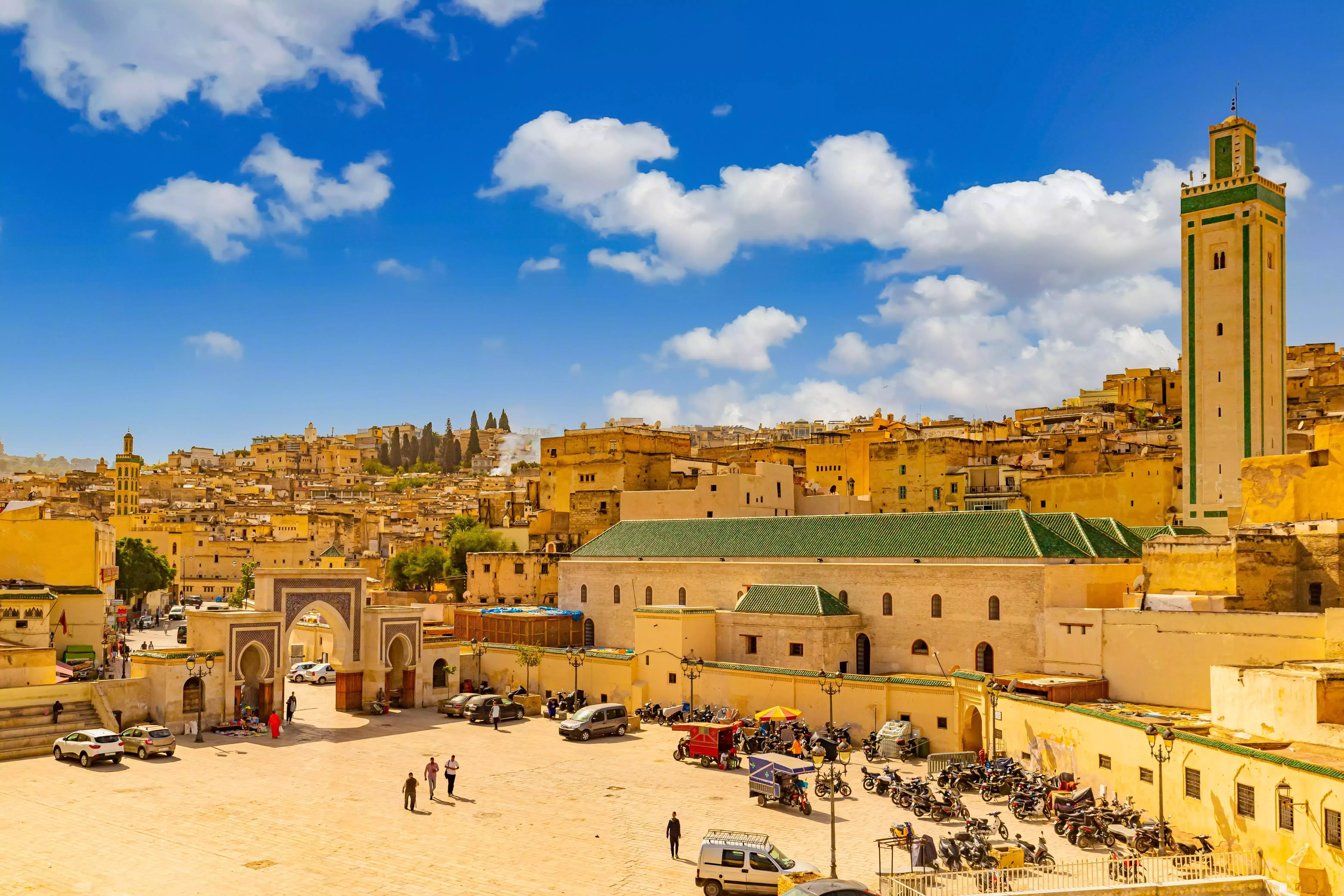
For travellers seeking cultural immersion, mass tourism just doesn’t do it for them anymore. While Marrakech has a chaotic charm that is certainly rooted in culture, Morocco’s second city, Fes, offers something different. Real people, real life, and real stories. For energy, buzzing squares, and a lively atmosphere, go to Marrakech. For a window into the past, heritage and tradition, go to Fes. In 2026, Fes is having something of a Renaissance year. Ongoing restoration projects of the Medina – the oldest in the world – are driving the city’s cultural refresh, with market stalls, riads, and artsy workshops rooted in tradition.
10. Seoul, South Korea
What to go for: Beauty
K-pop may have driven Seoul’s travel buzz in recent years, but 2026 is all about K-beauty. South Korea has seen a sharp rise in beauty tourism, where transactions at medical institutions, primarily dermatology clinics, accounted for 15% of all foreign spending. While Istanbul has long been a hub of affordable cosmetic procedures, Seoul’s appeal isn’t just limited to surgery. Access to one of the world’s most advanced beauty and skincare selections in drugstores – as well as affordable dermatology procedures – is a driver of Seoul’s beauty boom. From aisles stacked with cult favourites to cutting-edge procedures, such as the salmon DNA facial, Seoul has become a destination for rejuvenating enhancements, rather than total transformation. And with foreign spending on cosmetic sales growing by 35% in 2025, Seoul’s glass-skin-tourism shows no signs of slowing down.

9. Dallas, United States
What to go for: Sports spectacles
Everything’s bigger in Texas – food, cars, and yes, sports. Dallas is a sports-loving city, and it has the infrastructure to prove it. 2026 is a big year for the city – the gargantuan AT&T Stadium will host nine FIFA World Cup matches, and they promise to be skull-vibrating levels of loud. With a seated capacity of 94,000 at the World Cup, it’s the largest venue in the tournament. Sports aside, Dallas represents a new vision of modern America. It’s culturally diverse, ambitious, and buzzing with live music venues, immigrant-led restaurant openings, and major museum investments, including the expansion of the Dallas Museum of Art, one of the largest art museums in the US.

8. Bangkok, Thailand
What to go for: Biohacking
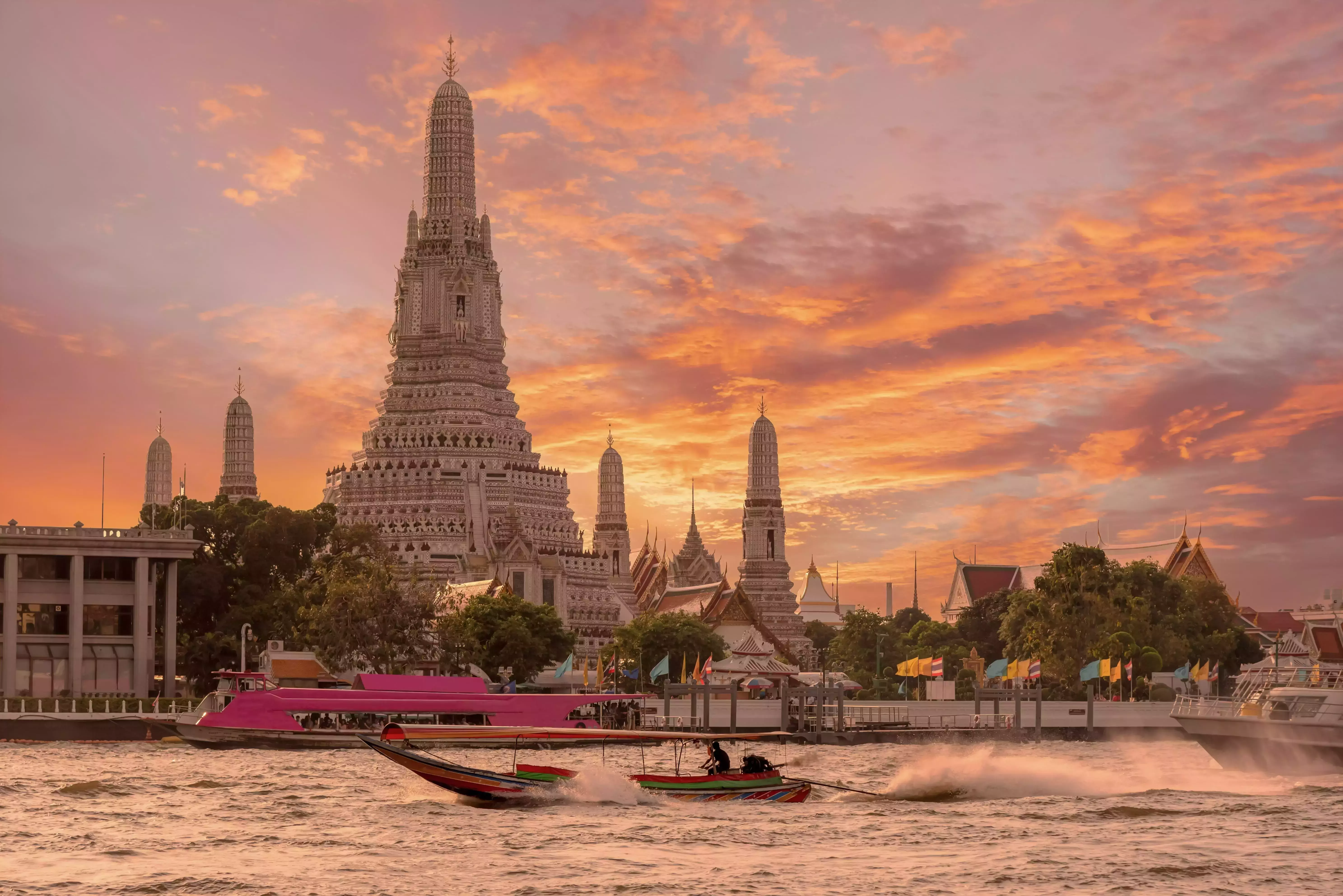
In 2026, Bangkok isn’t trending for backpacker bars and street food markets. This is Bangkok peeled back – literally – as a global leader in biohacking travel. In other parts of Thailand, like Koh Samui, biohacking leans toward holistic longevity in palm-fringed wellness retreats. Bangkok, however, is the real deal. High-grade medical clinics focus on longevity diagnostics, IV therapy, NAD+ therapy, ozone therapy, and a long list of regenerative treatments to optimise your health. Bangkok may not be at the forefront of innovative biohacking technology, like Zurich and Silicon Valley, but its affordability (especially in this space), accessibility, and combination of wellness travel with medical-grade services and hospital infrastructure make it a leading city for biohacking tourism.
7. Jamaica
What to go for: Multi-generational holidays done right
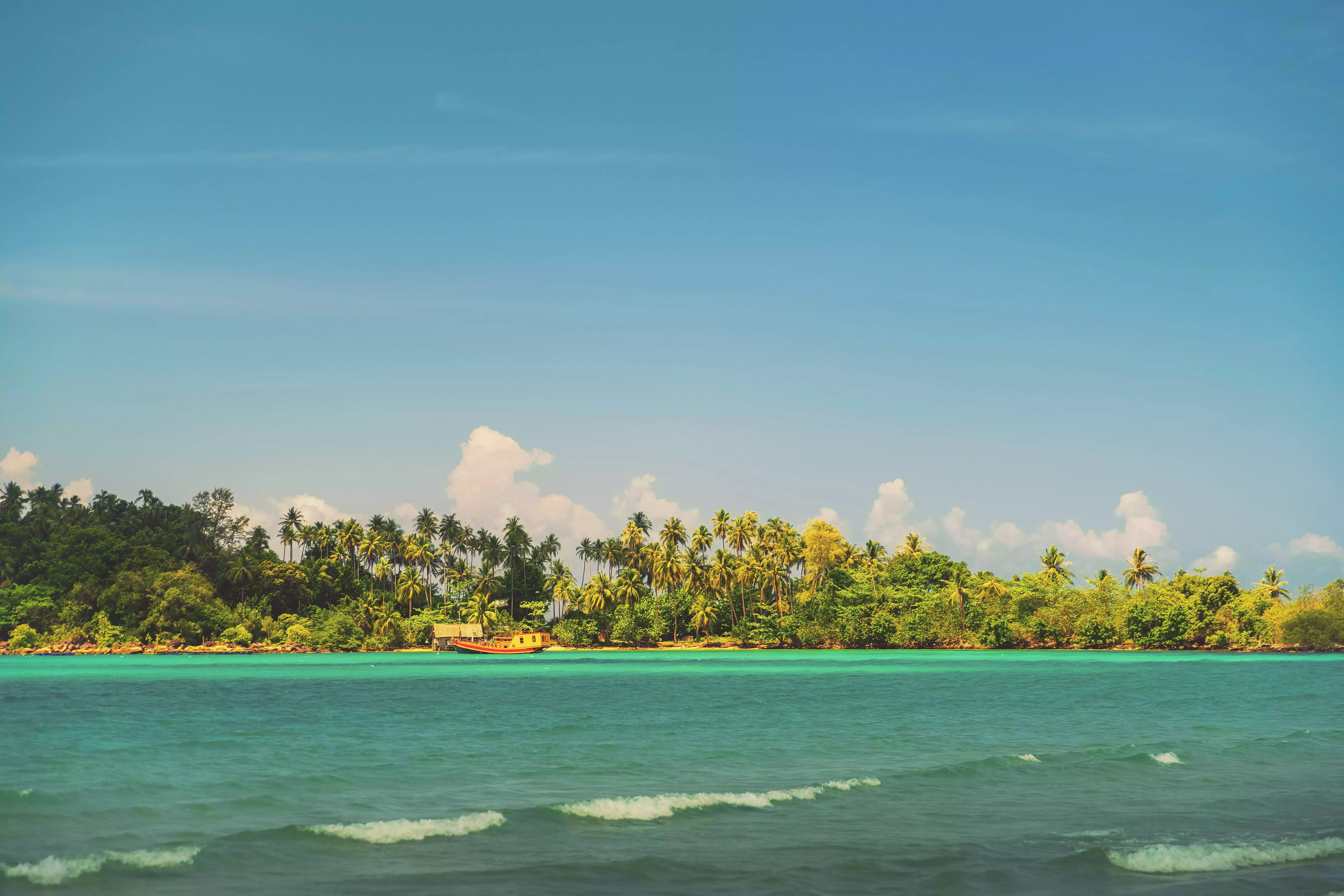
We know, we know. Jamaica for an all-inclusive family holiday? Groundbreaking. But multi-generational trips are on the rise, driven by a desire to make memories with loved ones without the logistics. And really, there’s nowhere that does easy multi-generational travel quite like Jamaica. There’s reggae, history, rum, waterfalls, hikes, rafting, beaches, and of course, jerk chicken – ticking a lot of boxes for grandparents, parents, teens, and kids. Crucially, it’s more affordable than much of the Caribbean, making it more realistic for families. Accommodation is set up for groups too, from all-inclusives with kids' clubs to beachfront villas that often come with staff.
6. San Juan, Puerto Rico
What to go for: Cultural Caribbean island vibes
We won’t trivialise Puerto Rico by synonomising it with Bad Bunny – but there’s a shift when your culture is blaring across the international stage. He’s part of the reggaeton revolution, which originated here, and signals how music drives travel, similar to reggae and Jamaica.
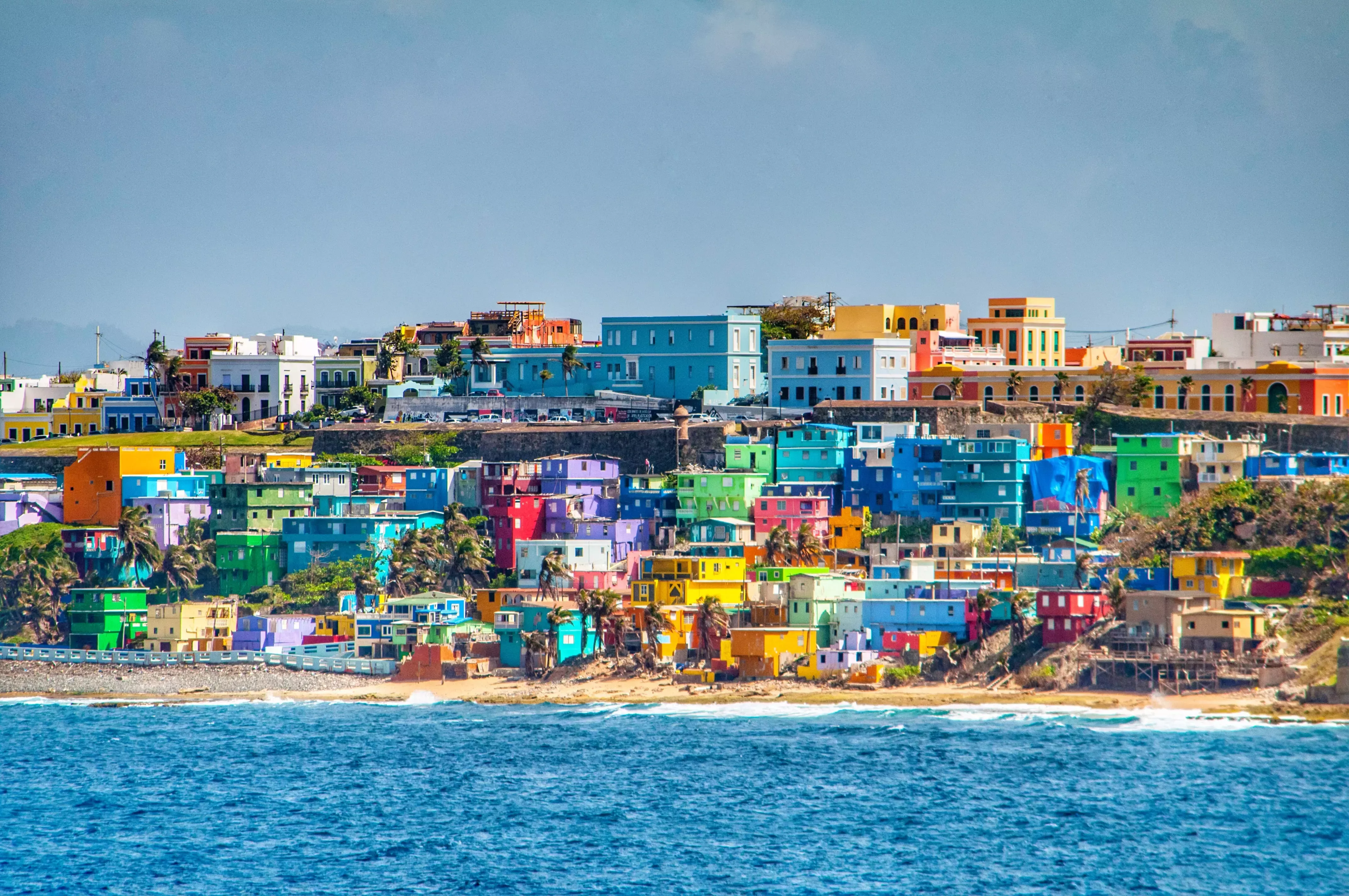
Puerto Rico’s culture goes beyond music, though. A wave of diaspora has returned to the island, with chefs pushing the cuisine forward. Lechón, plantain, seafood, mofongo, and more are being turned into something fresh without losing their heritage. Add in a nightlife scene that swings from clubs blasting out reggaeton and wine bars, and you might have the coolest island in the Caribbean.
5. Rwanda
What to go for: Conservation-led wildlife trekking
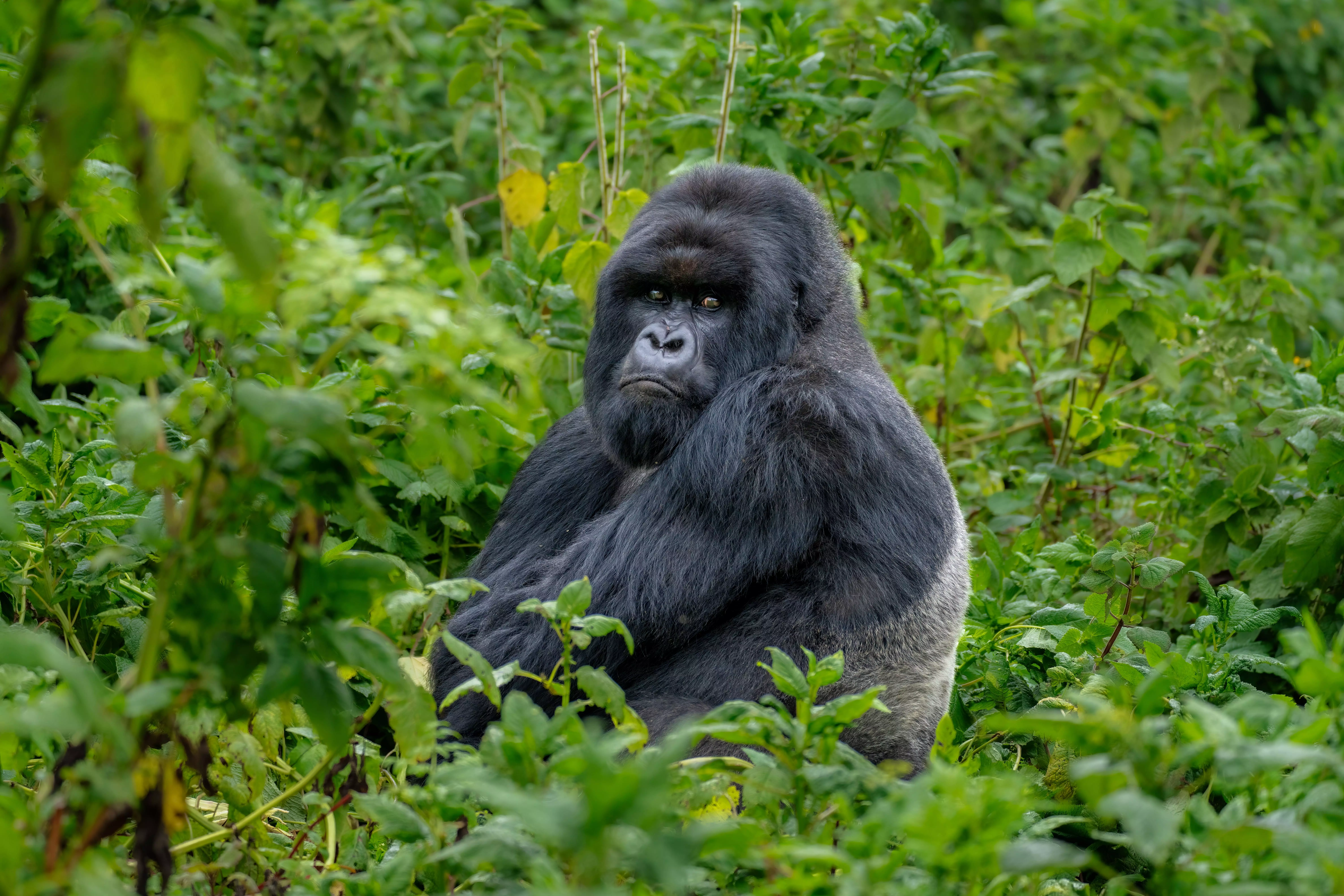
Rwanda’s international image is shaped by conflict, but this East African country – known as the Land of a Thousand Hills – is, understatedly, so much more than that. It’s also one of the only places in the world where you can see mountain gorillas in the wild. The experience takes travellers through bamboo forests to spend an hour with a gorilla family. It’s also one of the world’s most tightly regulated wildlife encounters, where timings and permits are strictly limited. And as if coming face-to-face with one of the planet’s largest primates wasn’t enough, travellers can take a Big Five safari in Akagera National Park (much quieter than Maasi Mara, etc.), head on canopy walks in Nyungwe spotting chimpanzees, and fuel it all with some of the best coffee in the world.
4. Pantanal, Brazil
What to go for: Conservation-led wildlife experience
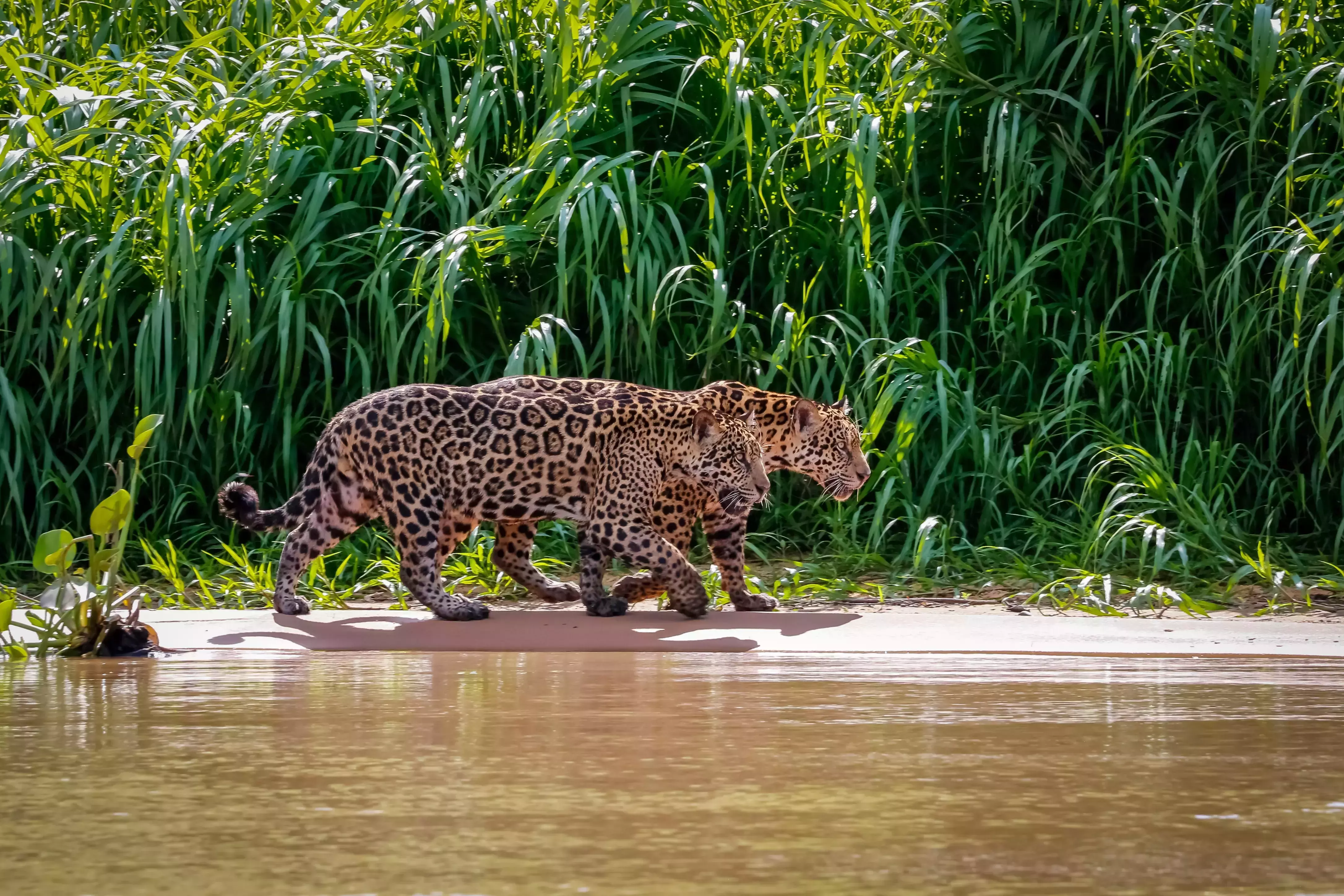
Genuinely unique, eco-friendly, and truly ‘wild’ wildlife experiences are hard to come by. Covering an area larger than England and spilling into three countries – Brazil, Bolivia, and Paraguay – the Pantanal is the world’s largest wetland. But it’s in Brazil where the Pantanal really shows off its best tricks. The wetlands teem with wildlife – caimans and capybaras, and giant otters – but the real draw is the jaguar. Elusive and notoriously hard to track elsewhere, jaguars are seen with incredible regularity, particularly around Porto Jofre, where conservation-led lodges and river safaris offer the best chance of sightings in the world.
3. Crete, Greece
What to go for: oleotourism
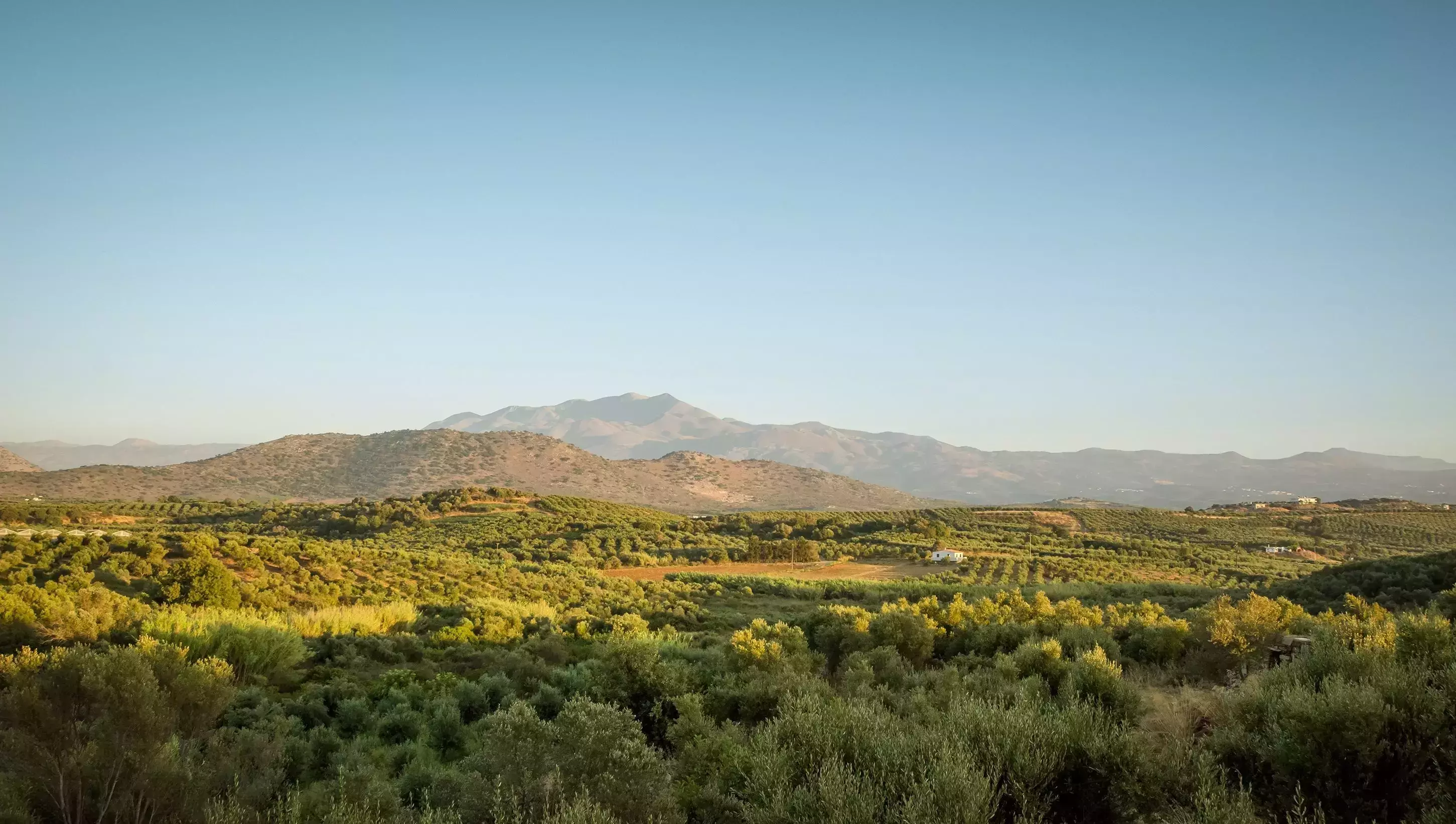
Food tourism has been one of the strongest forces shaping travel behaviour for a few years, but in 2026, travellers are seeking deeper culinary experiences. Enter: oleotourism. It’s no longer just about eating the best olives and dunking bread in golden olive oil – it’s about seeing how it’s grown, appreciating the process, and even taking part in the harvest.
A desire to connect with community, heritage, and tradition is driving a growing interest in oleotourism, particularly in Greece. While Italy, Turkey, and Jordan are also among the world’s olive-producing countries, Greece stands out for its deep-rooted tradition and multi-generational harvesting families. Nowhere is this more evident than in Crete. Head to the island – particularly Sitia, Chania, and Heraklion – for hands-on picking, tasting and immersive farm stays, and connect with cultivation techniques that date back thousands of years. And it’s not all about the olives – Crete has taken the esteemed title of European Region of Gastronomy 2026.
2. Namibrand Nature Reserve, Namibia
What to go for: Stargazing safaris
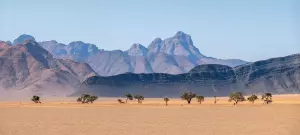
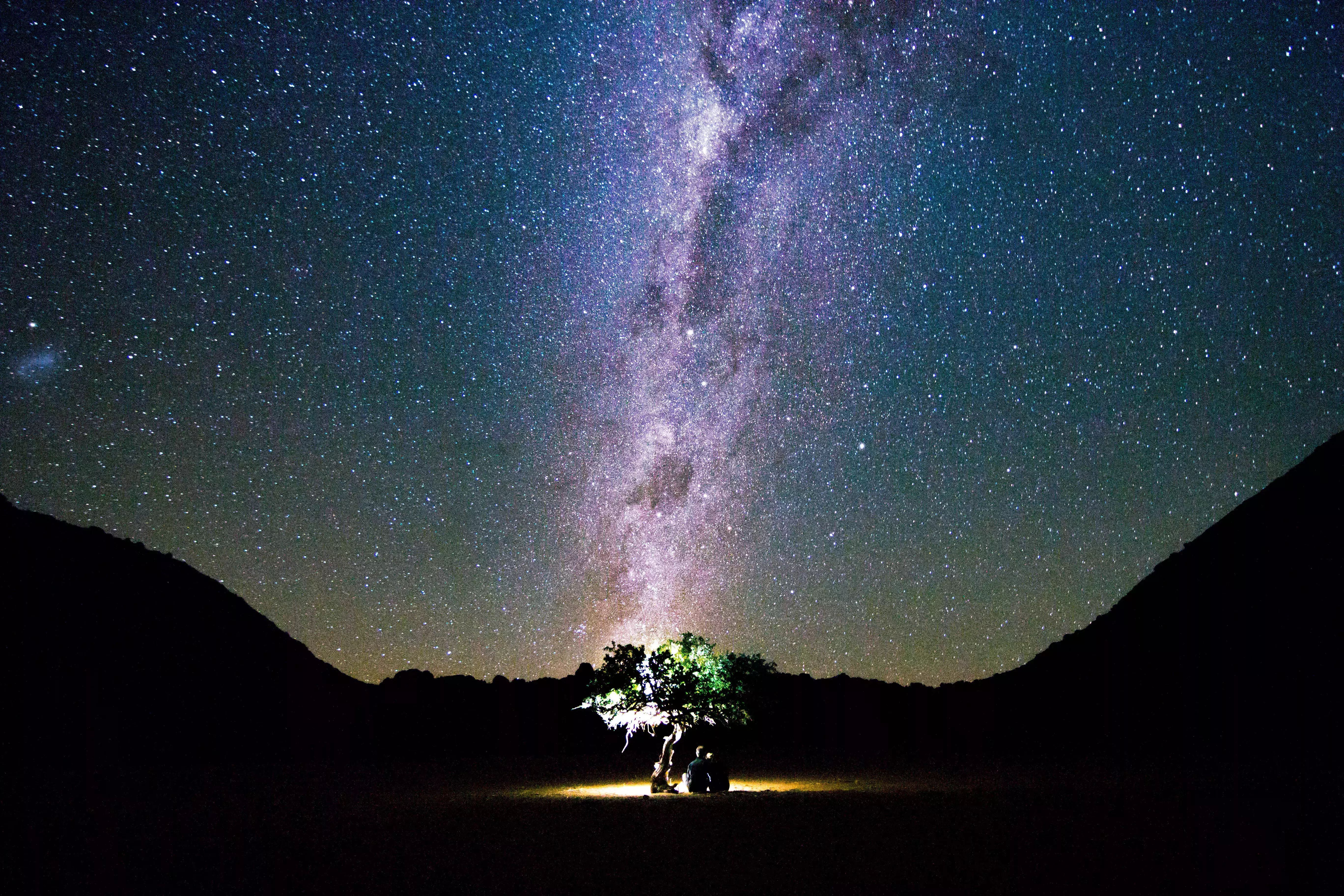
In Namibia’s Namibrand Nature Reserve, days are for safaris across rusty red desert plains, and nights are for the stars and cosmos. In 2012, Namibrand was certified as a Dark Sky Reserve, and all businesses are required to comply with low-pollution lighting to ensure that the only illumination comes from the stars – and the Milky Way, which is highly visible from here. Slow safari drives, spotting zebras, giraffes, and leopards, transition into sunsets over the dunes, followed by stargazing from a wilderness lodge or campsite.
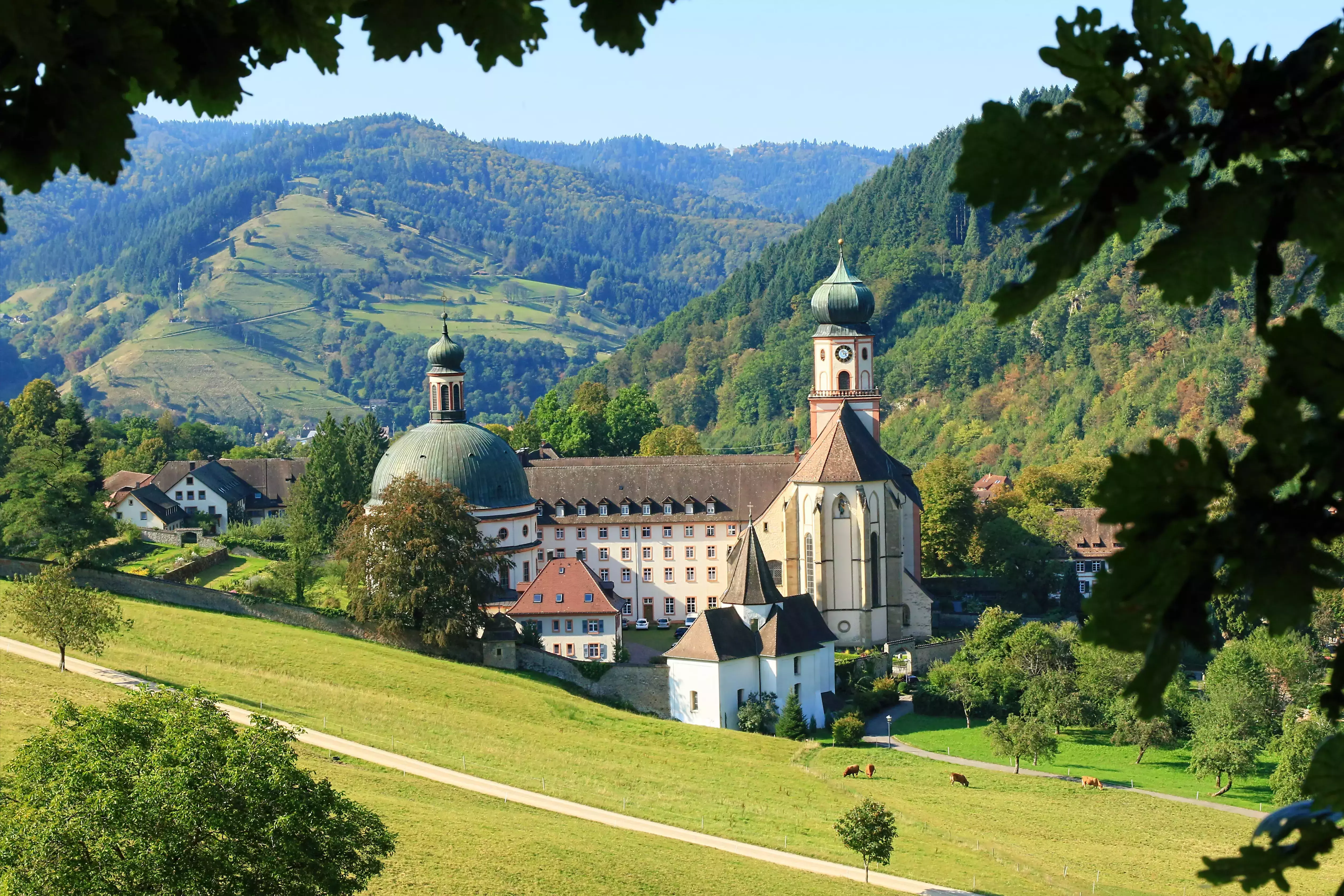
1. Black Forest, Germany
What to go for: Romantasy vibes
Misty, dense forests, hilltop castle ruins, medieval towns, and folklore rooted in witches and darkness? Forget Neuschwanstein, the Black Forest is where you’ll get all the romantasy feels. Long associated with dark fairy tales and gothic myth, the Black Forest delivers the kind of atmosphere travellers are seeking right now: moody, immersive, and a little bit sexy. And while romantasy might feel like a trend with a shelf life, travellers have long been drawn to locations that feel like stepping into a darkly romantic anthology drama – not a storybook. Literature tourism is nothing new, and 71% of travellers say they’d be interested in visiting a destination that feels inspired by romantasy. After days of ambling through the earthy-scented fir forests and taking dips in the lakes, there’s nothing more romantic than sharing (or not) a Black Forest cake – it’s only right.
Get ready to plan your trip

ABOUT THE AUTHOR
Aleyna Yilmaz
Aleyna loves learning about a culture through its food, whether that's closer to home or being out there in the world. She’s always happiest when experiencing somewhere new, but her base in London is a close second.
SIMILAR ARTICLES
The 25 Most Eco-Friendly Destinations in the World

The 7 Best Places to Go in February 2026
The 50 Best Hotels in Asia
50 Best Beaches in the World
MOST POPULAR
newsletter