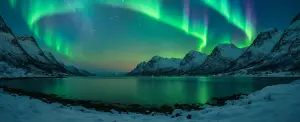
Seeing the Northern Lights dance across the Arctic sky is one of those travel experiences that feel completely priceless. However, getting to locations where you can experience the Northern Lights can soon see the costs add up, from hotels, flights, car hire and tours.
This does not have to be the case, though. In this comprehensive guide, we will explain how you can easily see the Northern Lights on a budget. From choosing the right destination, booking at the right time of year, and which tours to go on, this is how to plan a cheap Northern Lights trip.
How can I plan a budget-friendly Northern Lights trip?
Choose a budget-friendly destination
Many destinations that first come to mind when the Northern Lights are mentioned instantly scream expensive: the likes of Iceland, Norway and Lapland, for example.
If you’re travelling on a budget, you should not automatically assume that you need to stay in the most famous Arctic destination for a chance of glimpsing the Northern Lights.
Smaller towns and less touristy areas can be just as good, with an equally good chance of seeing the Northern Lights, while also being significantly cheaper.
In addition, you don’t even have to leave the UK to be able to see the Northern Lights. Perhaps the most budget-friendly option which doesn’t involve travelling abroad is northern Scotland.
Areas such as the Moray Coast are known for their dark skies, minimal light pollution and wintry scenes, without the costs associated with travelling deep into rural Scandinavia.
Be flexible with flights
It is important to be flexible when you fly if you want a budget-friendly Northern Lights experience.
You should search for flights a few days or even a week each side of your preferred dates to secure a good deal. If you live near several airports (like Heathrow, Gatwick and Stansted, or Liverpool and Manchester, for example), it can be worth comparing flight prices from different airports and seeing how much you can save.
Flying midweek is often cheaper than flying over the weekend, while you can also save money by opting for hand luggage rather than a 20kg suitcase. Packing light is essential for saving money on a flight.
Travel outside of peak season
Depending on where you are travelling to, the Northern Lights are generally visible between late August and mid-April, which gives you a fairly generous window in which to plan your trip.
As such, you should avoid school holiday times wherever possible, as prices peak during these periods. Similarly, prices also peak over public holidays like Christmas and New Year’s Day, so you should try and avoid travelling over these dates, too.
The shoulder seasons can be particularly attractive for budget-conscious travellers: visiting Scandinavia in October or March can be much cheaper, with a strong possibility of seeing the Northern Lights when compared to the costs of visiting the region in deep midwinter.
Accommodation Options
Many people associate the luxury glass-topped igloo-style pods as the only form of suitable accommodation for viewing the Northern Lights, but this is not necessarily the case – and it is certainly not the case if you are travelling on a budget.
Budget hotels, B&Bs and hostels all make excellent accommodation options without breaking the bank, and even a log cabin can be worth it if you are travelling with a group of friends and can split the cost several ways.
Another good tip is to look for accommodation with a kitchen. Even if this is a communal area, it can be worth looking at, because you can save money by buying ingredients and cooking yourself, rather than having to rely on eating at restaurants for every meal.
Not all tours are worth it
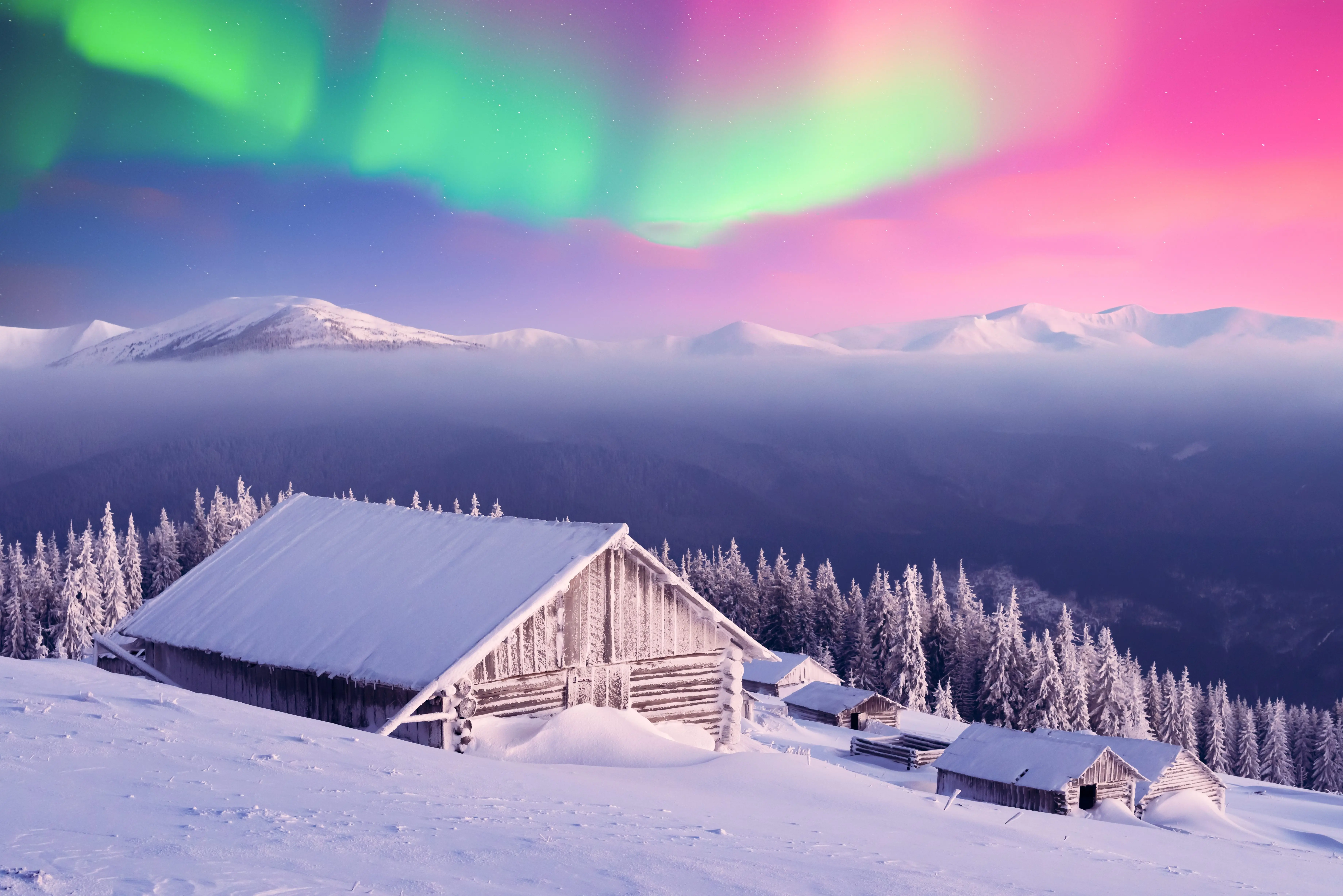
You do not necessarily need to book a specific Northern Lights excursion in order to see them: nature’s greatest light show is completely free!
If you are staying in a remote area – such as Northern Scotland or rural Iceland – then the chances are that you will not need to book any sort of excursion, because the Northern Lights will be visible – given the right conditions – thanks to low light pollution and dark skies.
However, if you are based in a city such as Tromsø or Reykjavík, you may need to leave the city for a better view of the aurora borealis.
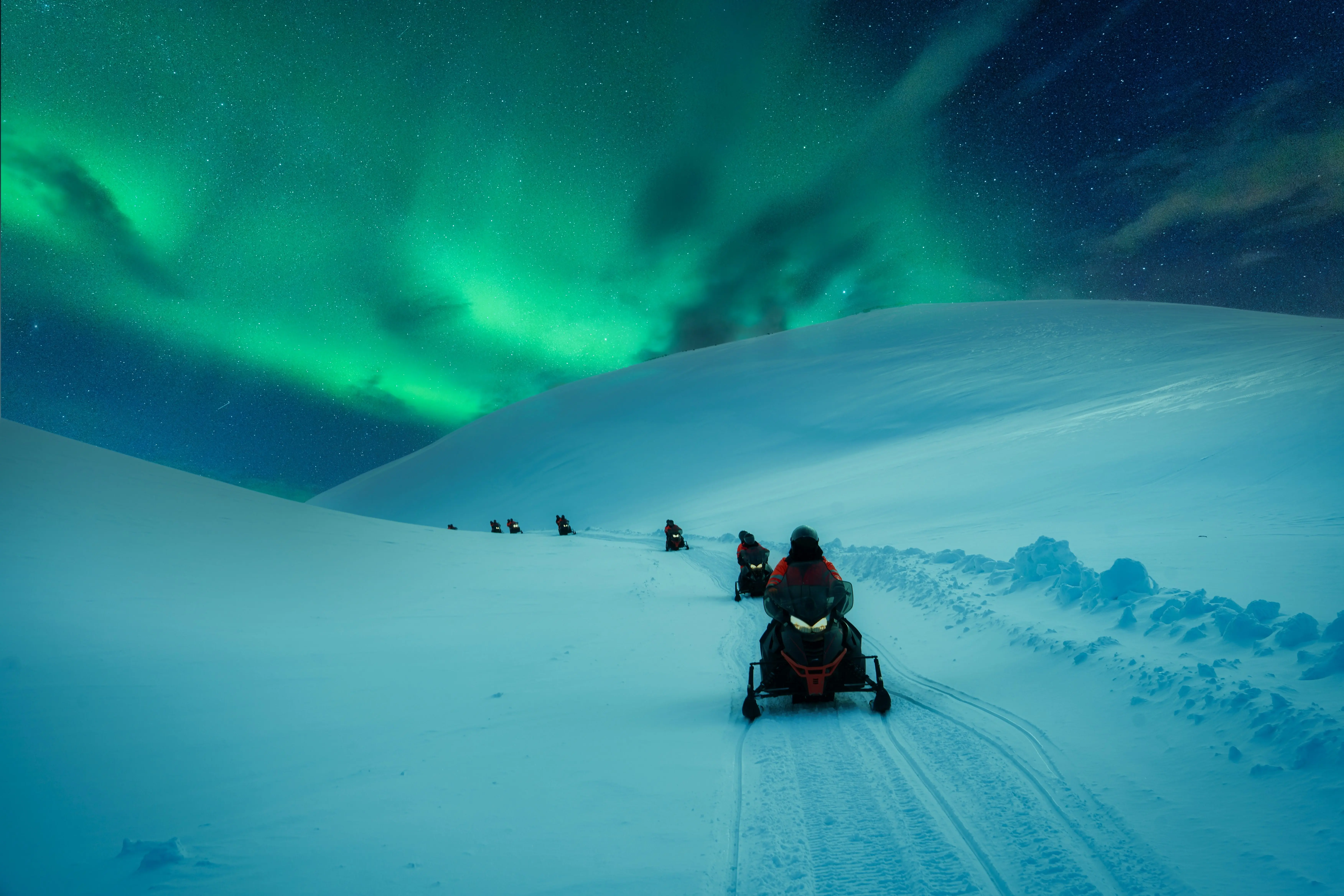
You should carefully choose tours which fit your budget – do you really need to partake in a midnight barbecue, a dog sledging tour and a professional photoshoot all on the same Northern Lights tour – or can you enjoy the Northern Lights by being taken out of the city in a 4x4 or a minibus with a few other visitors?
Consider hiring a car
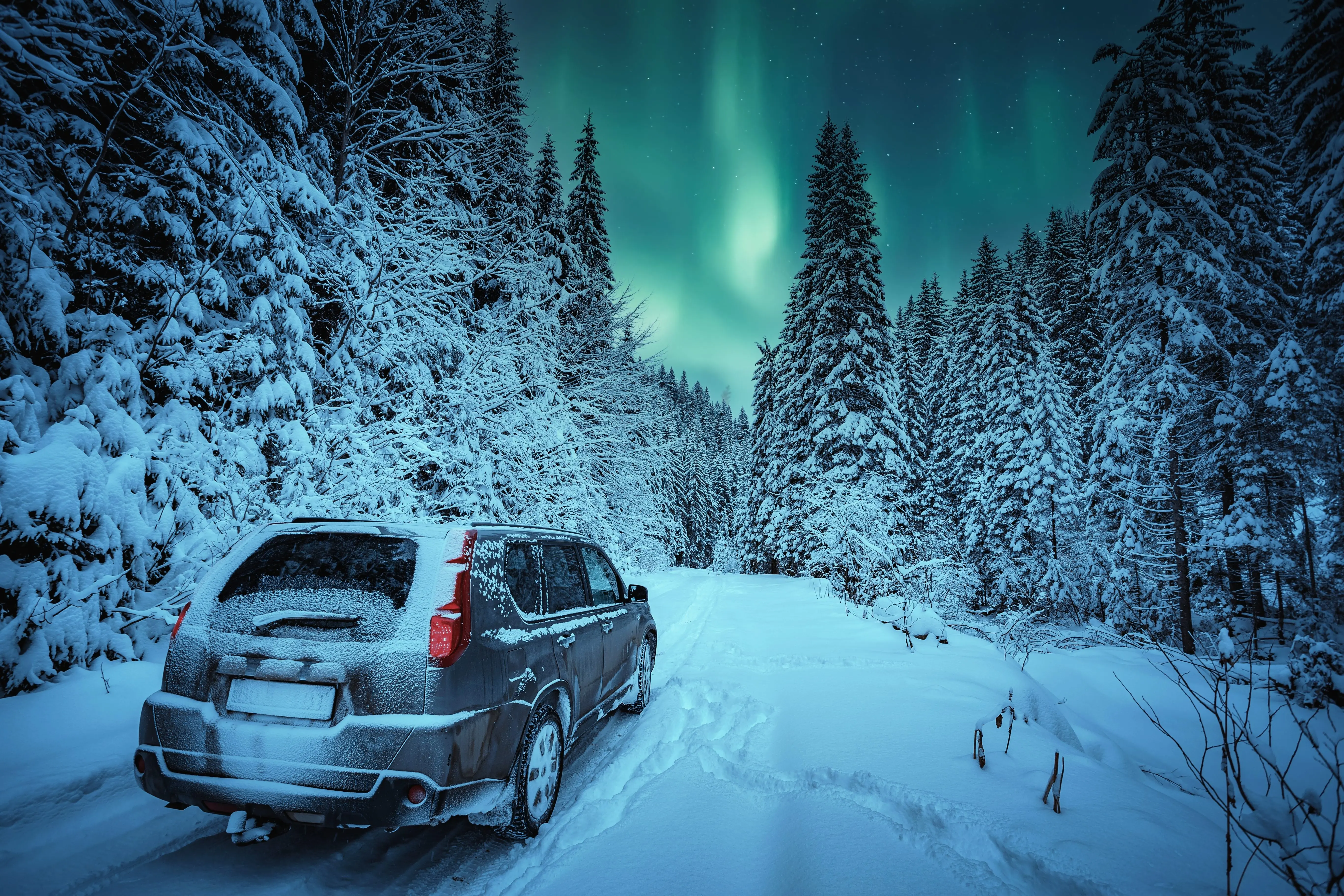
Sometimes, car hire can be worth it if you want the freedom to drive out to remote areas and see the Northern Lights on your own terms, without sticking to of a tour.
However, while car hire can be flexible and cheap, many remote Northern Lights destinations can be tricky to reach by car, especially during the deep midwinter, with frozen roads and some places inaccessible if they have experienced heavy snowfall.
Before committing to a hire car to see the Northern Lights, you should first price up fuel, the car rental costs, insurance and any other additional charges (such as adding named drivers) and see if it is really worth it.
If you do feel the price is worth it, then early booking (at least three weeks in advance) is essential in order to secure a good deal.
Be patient
The Northern Lights are not a guaranteed sight, even in areas like Lapland and Svalbard.
As such, you should try to give yourself a few opportunities during your trip to see them: solar activity, cloud cover and adverse weather conditions can all contribute to dimmed skies and significantly reduce your chance of seeing the Northern Lights.
That is why a cheap Northern Lights trip should not be a one-night trip. Instead, you should fit the Northern Lights into your whole excursion, even if you are just away for three or four nights.
A few extra nights can add costs, but if you book in advance and follow the tips above, you can save overall and increase your chances of seeing the aurora borealis.
Simplicity is key
You don’t need a packed itinerary to have a good time when seeing the Northern Lights.
If your primary goal is to see the Northern Lights without spending a fortune, then that is all that you need to plan your trip around.
If you are based in a city such as Reykjavík or Rovamiemi, then there are plenty of things to do during the day, such as joining free walking tours, visiting free museums, or even just exploring the region on foot.
The same goes for more remote areas – enjoy exploring the winter scenery on foot, or simply enjoy a nice hot drink in a local cafe or at your accommodation with your favourite book during the day, and wait for the dark skies to see the Northern Lights.
The advantage of this is that the further north you go, the longer the polar night is, with some far northern destinations being plunged into total darkness for 24 hours a day – so you don’t need to stay up until the early hours of the morning for a glimpse of the aurora borealis.
Final thoughts
A trip to see the Northern Lights does not have to incur huge expenses.
You can see them from a range of different places across the Northern Hemisphere, including Alaska, Canada, Scandinavia and even northern Scotland. Choose a destination that is cheap for you to reach, whether that’s by air or even if it is in the same country.
If you are flying, compare prices from different nearby airports if you have that luxury, and once you arrive, opt for simple accommodation such as a guesthouse or a hostel to cut costs on your stay in the country.
You should also price out factors such as guided tours and car hire to see if you can save any more money.
Nature’s greatest light show should not cost you more than you can afford – you should always travel within your budget, and make sensible financial decisions to save money where possible.
ABOUT THE AUTHOR
Chester Ollivier
Chester is passionate about exploring new places through food, history and heritage. Whether he is uncovering hidden gems in North East England or travelling to exotic locations across the globe, his enthusiasm for food and history fuels his adventures. His love for writing, combined with his intrigue of different cultures and their histories has led him to pursue a career as a travel writer.
SIMILAR ARTICLES
The 7 Best Places To See The Northern Lights In Europe
The Best Budget Hotels for Seeing the Northern Lights
The 7 Most Magical Snowy Villages in Europe
The 7 Best Winter Hotels in the Alps
MOST POPULAR
newsletter