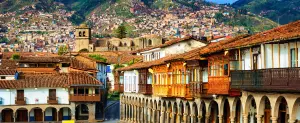
Got just 5 days in Cusco? This itinerary covers the best of the city, the Sacred Valley, and Machu Picchu, without feeling rushed. After visiting Cusco recently, we’ve nailed the perfect 5-day Cusco itinerary. This guide helps you make the most of your trip, highlighting must-see sites, Inca ruins, incredible landscapes, and tastes of local culture. We’ve also included practical advice on visiting Cusco, the Sacred Valley, and Machu Picchu, as well as taking the beautifully scenic PeruRail train.
Cusco: 5-Day Itinerary
Top tip: Buy the Comprehensive Cusco Ticket
For most sites in and around Cusco, you can’t pay for a single entrance. There are multiple tourist tickets, but the Comprehensive Cusco Ticket (130 Soles as of May 2026) gets you access to 16 attractions, including museums in Cusco, archaeological sites near Cusco, and the sites in the Sacred Valley, for 10 days.
Where to buy the Cusco tourist ticket?
You can buy the ticket at the main tourist office. Address: Galerías Turísticas, Av. El Sol 103, Office 101
Remember to keep hold of it! You’ll need it over the next 5 days in Cusco.
Day 1: Exploring Cusco
Morning: Free walking tour
The best way to get to grips with a new city, especially when you’re short on time, is to do a walking tour with a local guide. They’re generally free, but of course, you tip at the end. This is a great one.
Top sights to visit include:
-
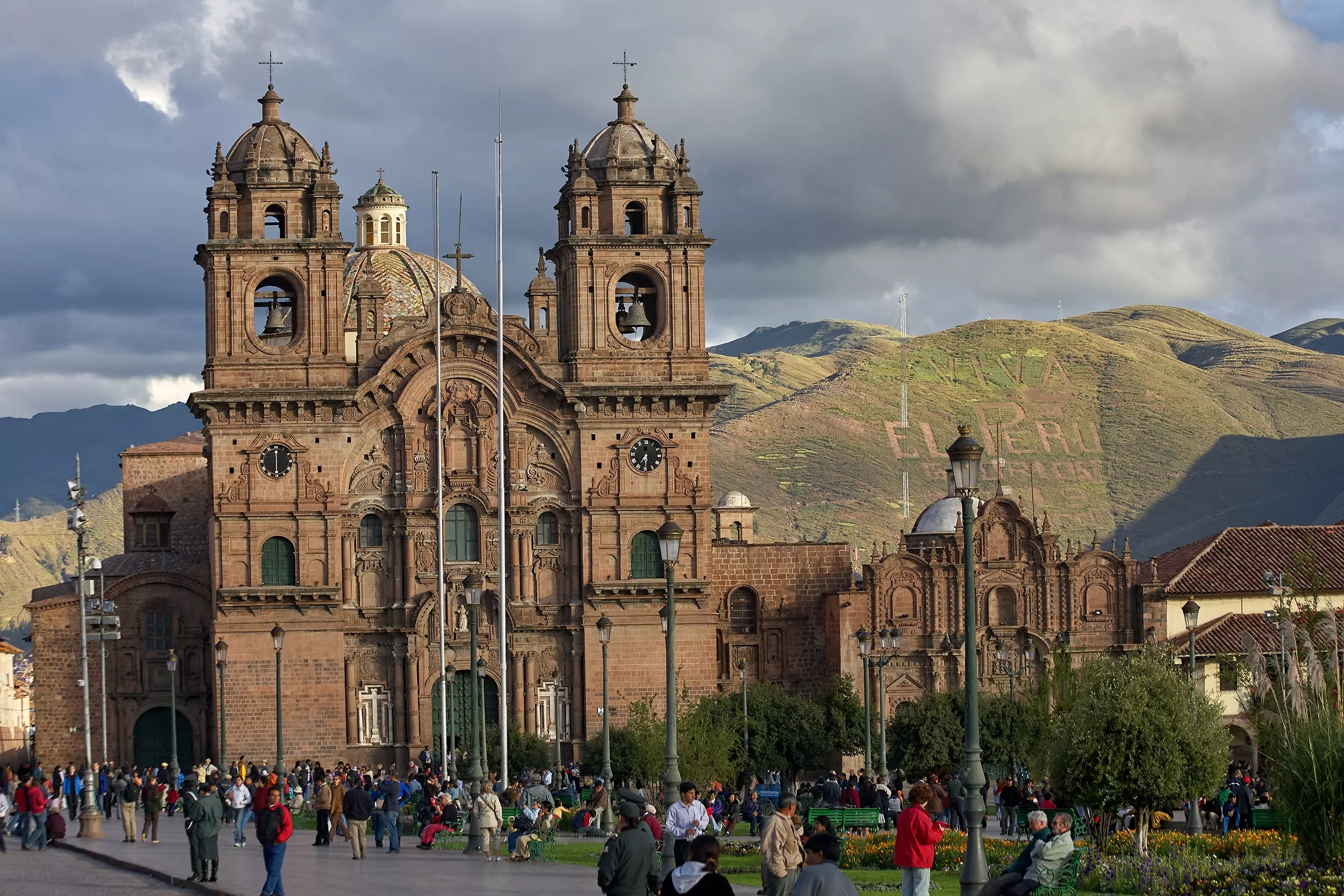
Plaza de Armas: Hard to miss. The main square in Cusco, surrounded by historical sites.
-
The Cathedral: This colonial 16th-century building is full of history.
-
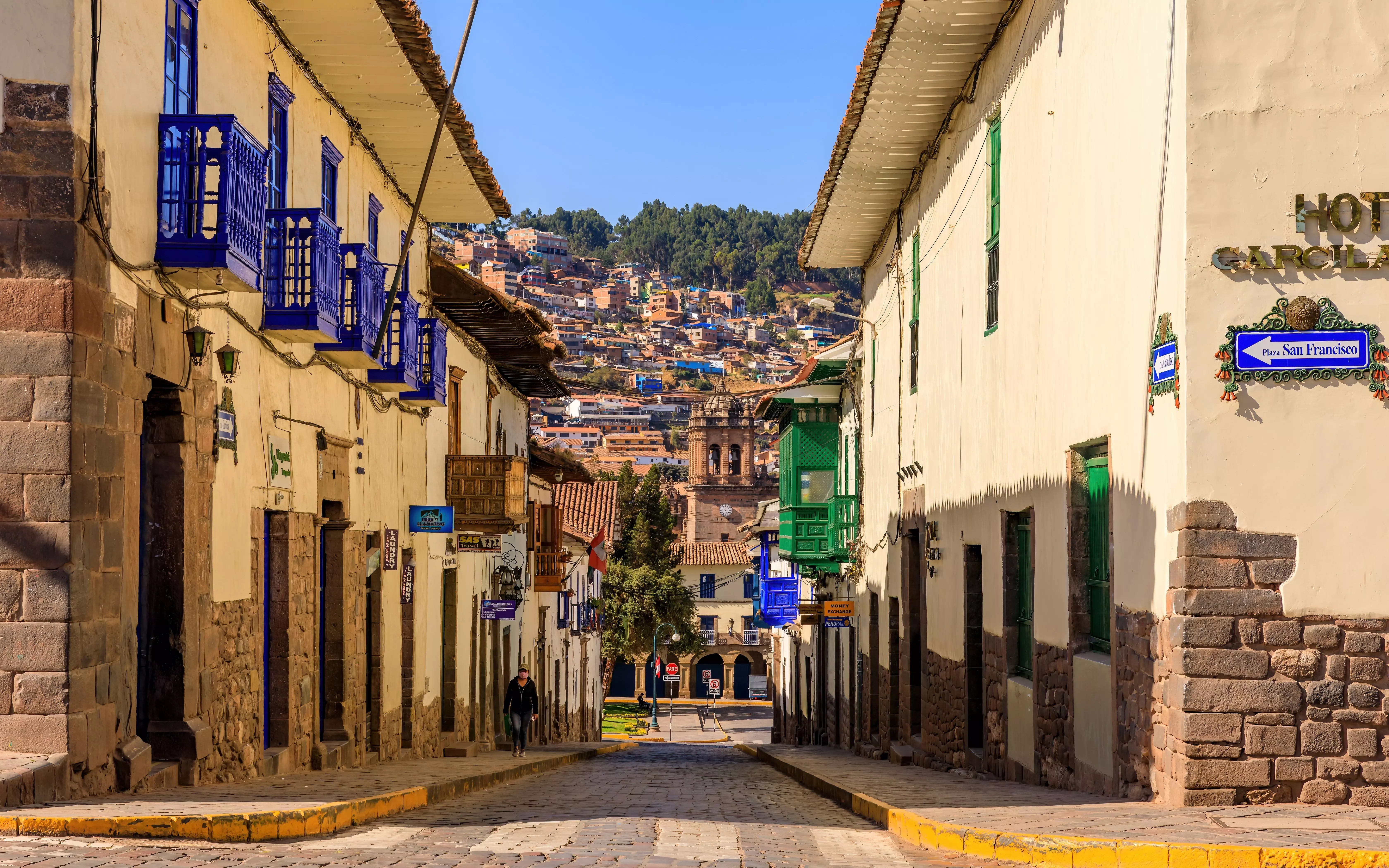
Inca Loreto Street: Interesting passage between Inca walls.
-
Inca Roca Palace: The residence of the sixth ruler, Inca Roca.
Afternoon: Museums
Make the most of your tourist ticket and go museum hopping. The Contemporary Art Museum, the Museum of Popular Art, and the Regional Historical Museum are all included in your ticket and are all near Plaza Regocijo.
The ChocoMuseo is always free, and a fun way to learn more about Peru’s cacao history. You can also take a 2-hour Bean to Bar Workshop for $30.
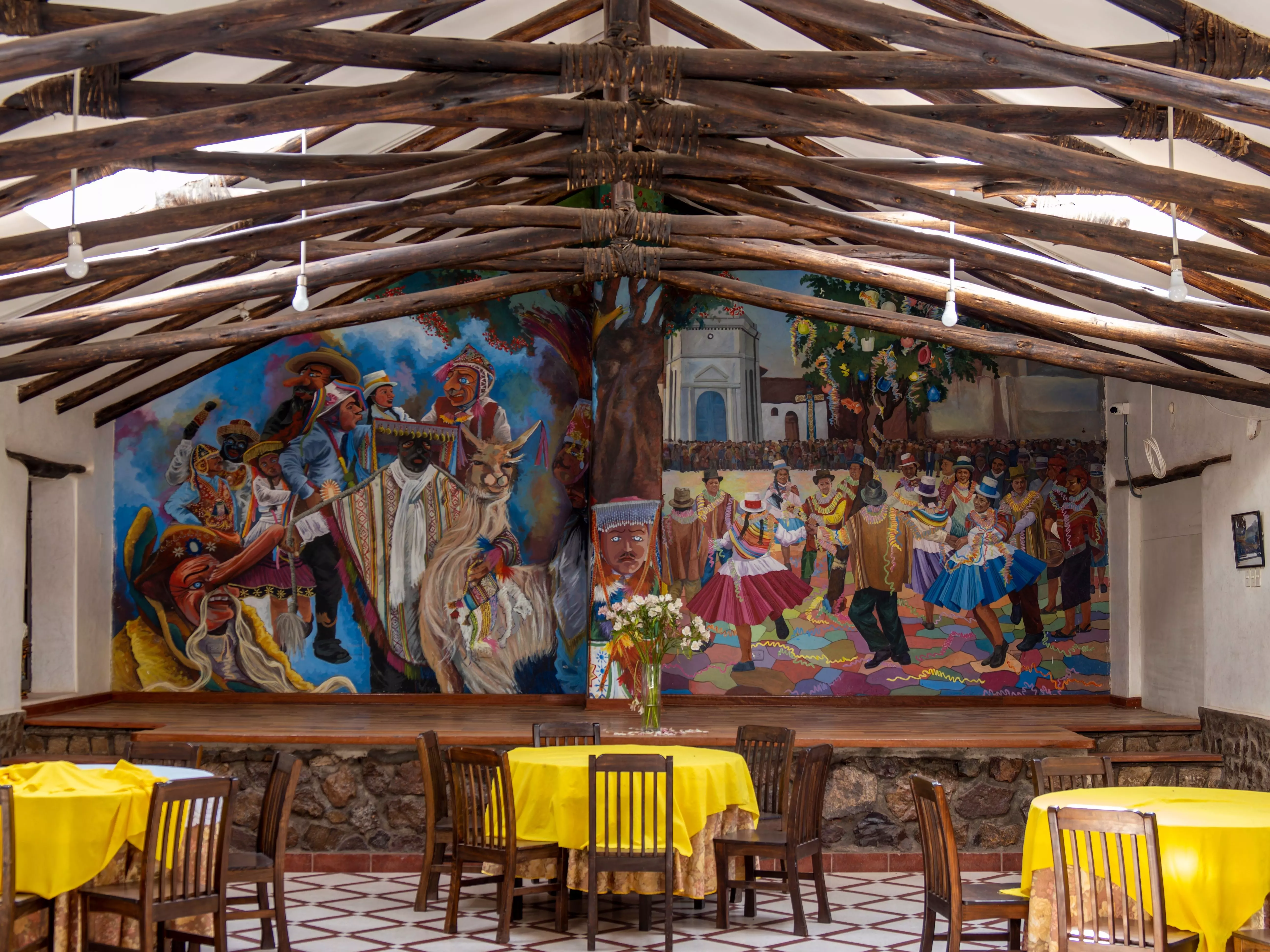
Don’t miss the traditional dance performances at the Qosqo Native Art Centre (included in your ticket)! They start every day at 6.30pm.
Day 2: Sacsayhuaman & San Blas Neighbourhood
Morning: Archaeological sites near Cusco
The morning of day two will be an early start, dedicated to exploring the Inca sites near Cusco.
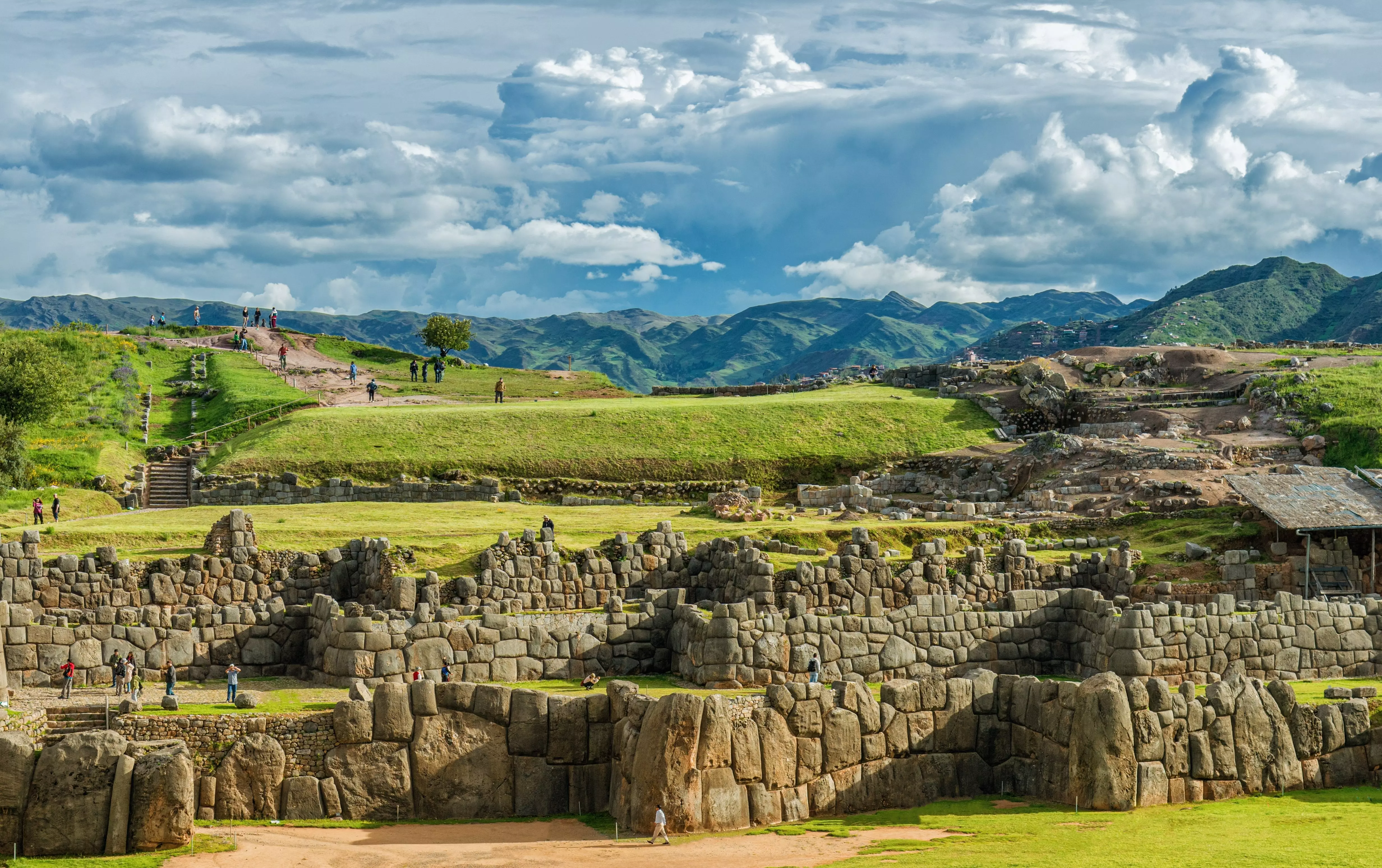
The main sites here are Sacsayhuaman, Qenqo, Puka Pukara, and Tambomachay. If you opt to explore without a tour group, you can start at Tambomachay (the highest point and the furthest from Cusco) and walk down through the valley; it’s a pretty walk passing by small villages. The walks between sites are about 40 minutes to an hour; you can take a bus or taxi if you’d prefer.
You don’t need to go with a tour group, but a guide absolutely helps to understand the ruins, how the Incas built it, and what they used it for, whether to live in, for rituals, or for sacrifices. There are guides at the entrance to the ruins, and they all charge a similar rate.
Afternoon: San Blas
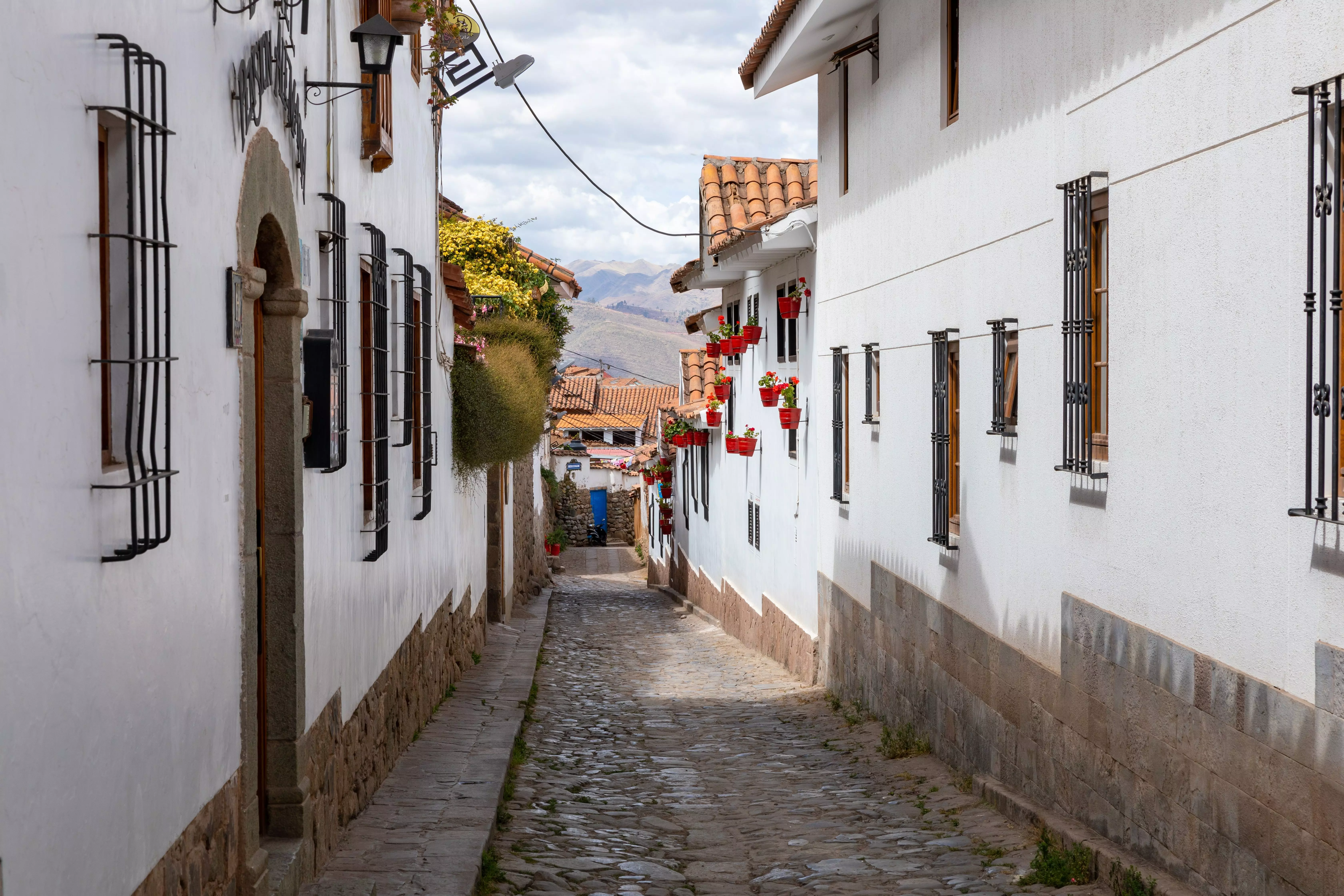
After visiting the sites, it’s a lovely walk down to the whitewashed San Blas neighbourhood. This is the artsy enclave of Cusco, with murals, picture-perfect streets, artisanal shops, and galleries.
We highly recommend popping to San Blas Market – Anita Cleo’s does the best, biggest sandwiches – and get a fresh fruit smoothie from one of the vendors.
Take time to pootle around the bohemian neighbourhood, and stop in a coffee shop and admire the views of the city.
Day 3: Rainbow Mountain
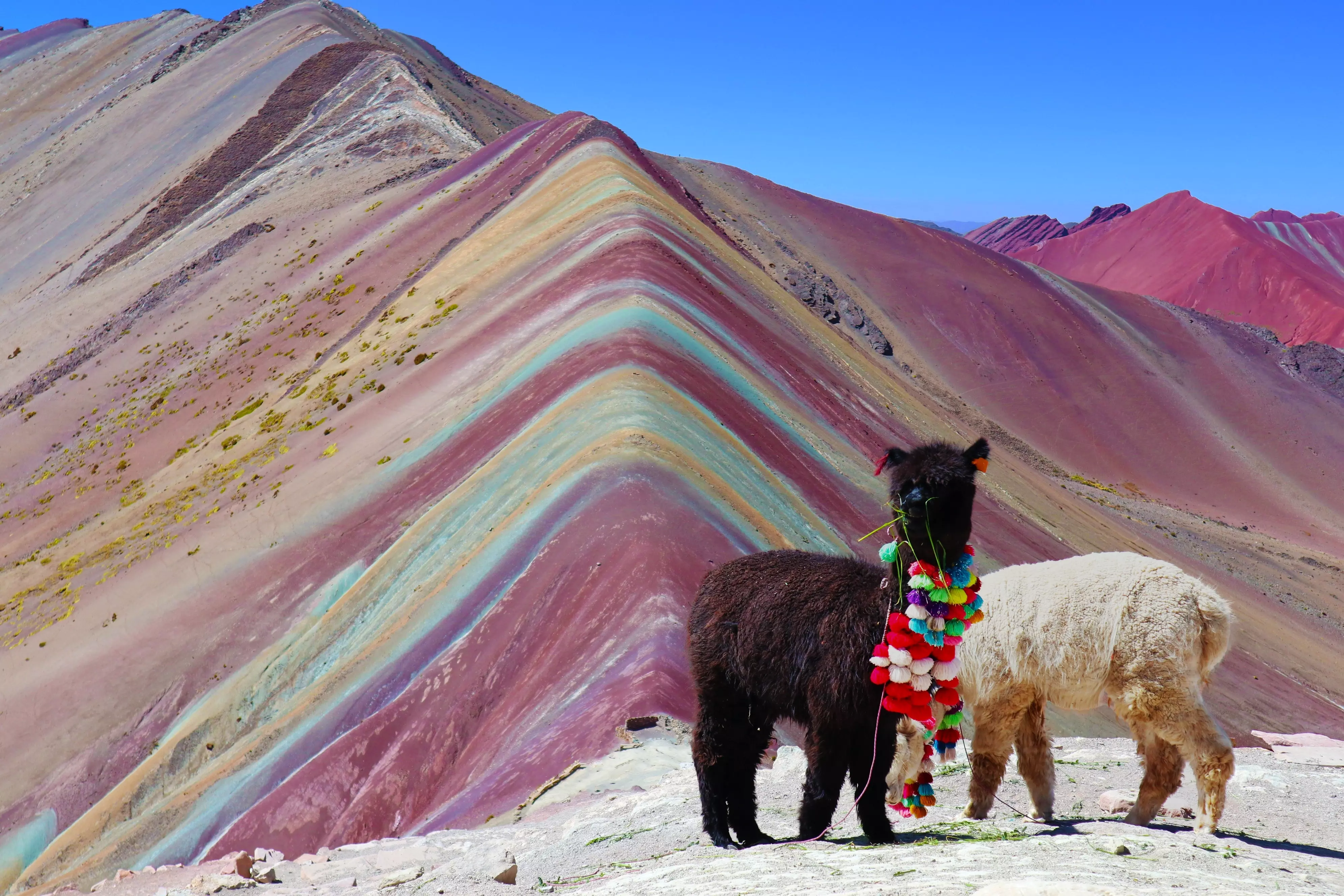
One of the most quintessential Cusco experiences is a day trip to Rainbow Mountain and the Red Valley. The iconic striped mountain is a bit of an Instagram prop, and we had our doubts. But it was epic. The views on the way are next level.
After some free time taking (obligatory) pictures with llamas at the peak, there’s an optional hike to the Red Valley. You might be tempted to skip it, especially after the early start (did we mention the 3am start?) and the hike to Rainbow Mountain, but you’d be seriously missing out. The Mars-like landscapes are spectacular.
Vinicuna (Rainbow Mountain) is over 5,000 metres, so be sure that you’re acclimatised before hiking up there. The hike isn’t particularly hard or long, but it’s the altitude that gets ya’.
Tip: Avoid hiking Rainbow Mountain on the first day. We’ve put it on Day 3 to give you two days to acclimatise in Cusco.
Day 4: Sacred Valley
The Sacred Valley is to the north of Cusco, a lush, historic region of Inca terraces, amazingly preserved ruins, and cosy towns.
You could spend a few days here, but if you only have one day, then we recommend:
-
Pisac
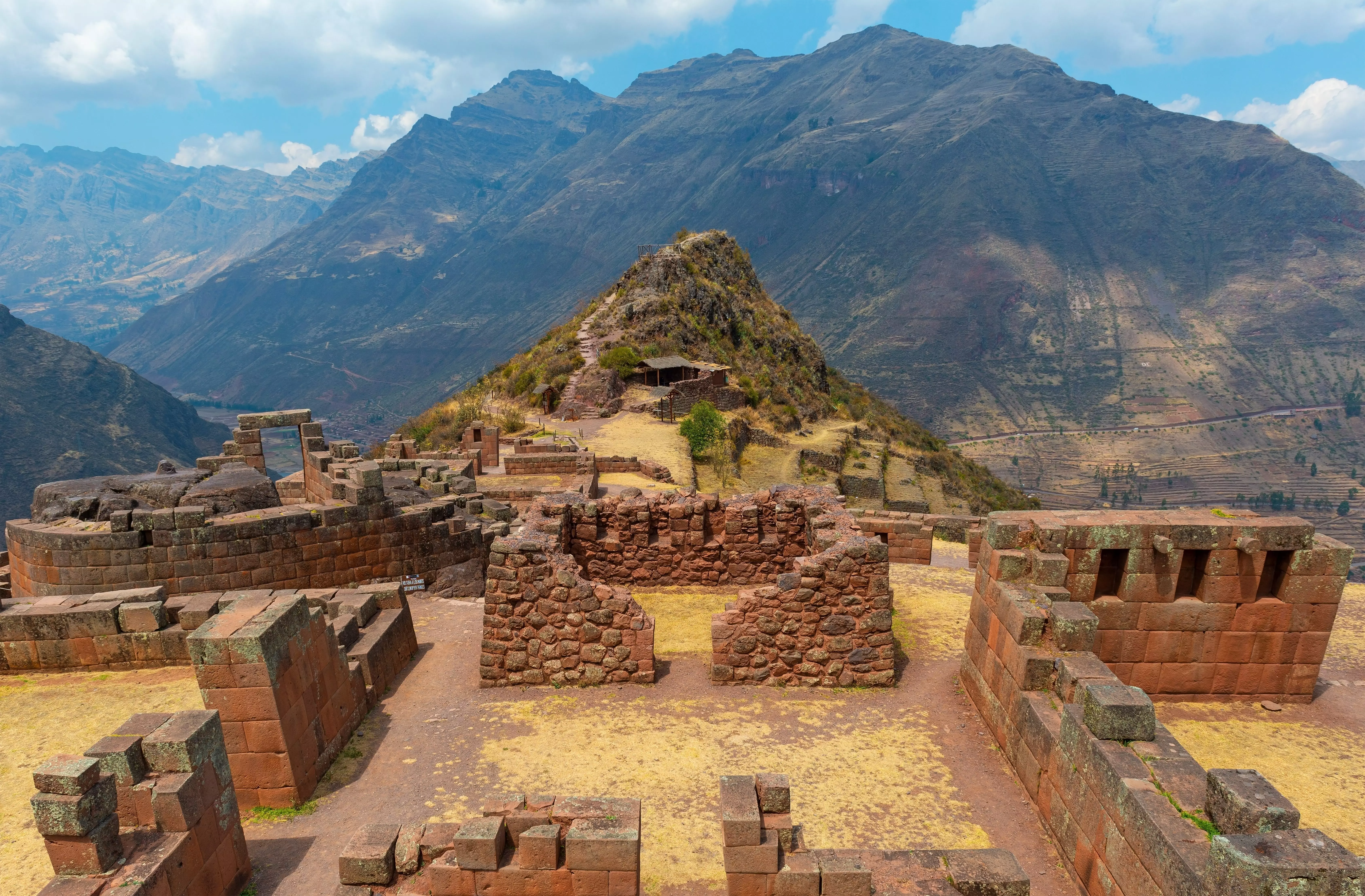
Typically, the first stop on the Sacred Valley trip, Pisac, was our favourite. The town is a hippy outpost, but there are traditional weavers and a fantastic artisanal market. The Pisac Archaeological Site is one of the best, too, a sprawling complex over hills that you could explore for hours.
-
Maras Salt Mines
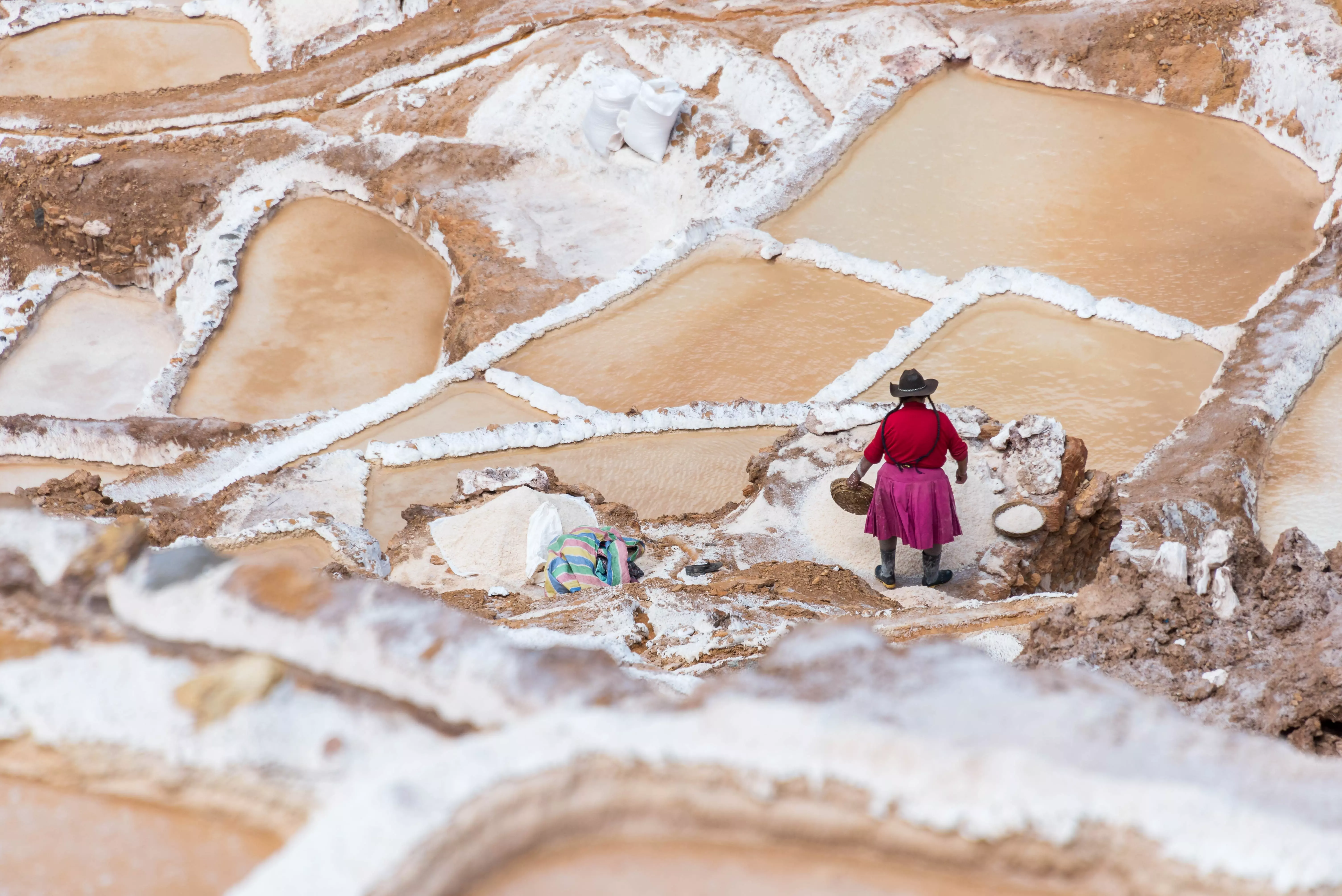
An incredible example of the Incas' connection and understanding of their land. The salt mines are still active today.
-
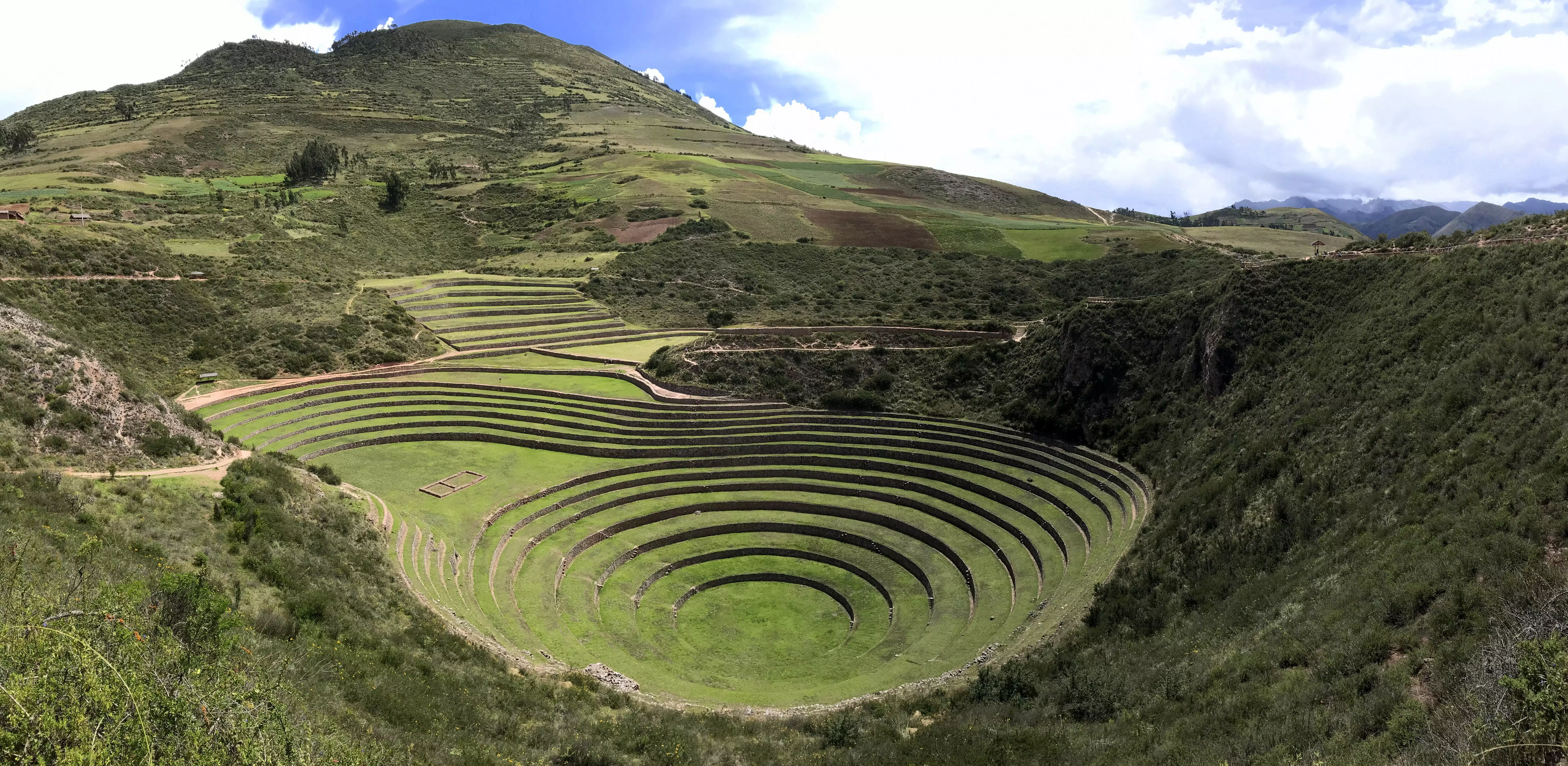
Moray
Satisfyingly precise Incan terraces. It’s mindboggling to imagine how they did it all those years ago.
-
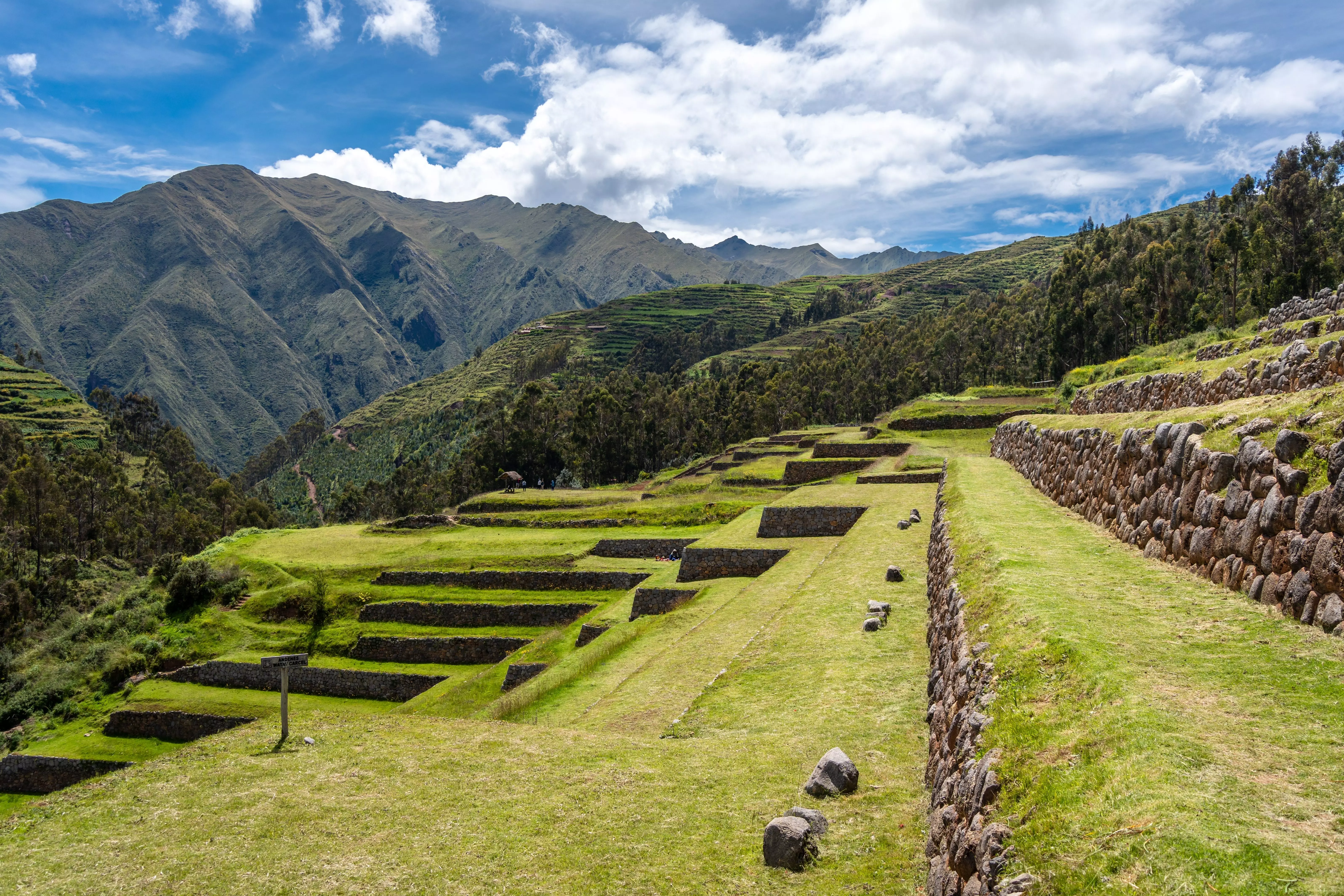
Chinchero
The town is built around the ruins here, so it’s quite unique. Built in the 15th century by Inca Tupac Yupanqui, the rice terraces and stone walls are well worth a visit.
-
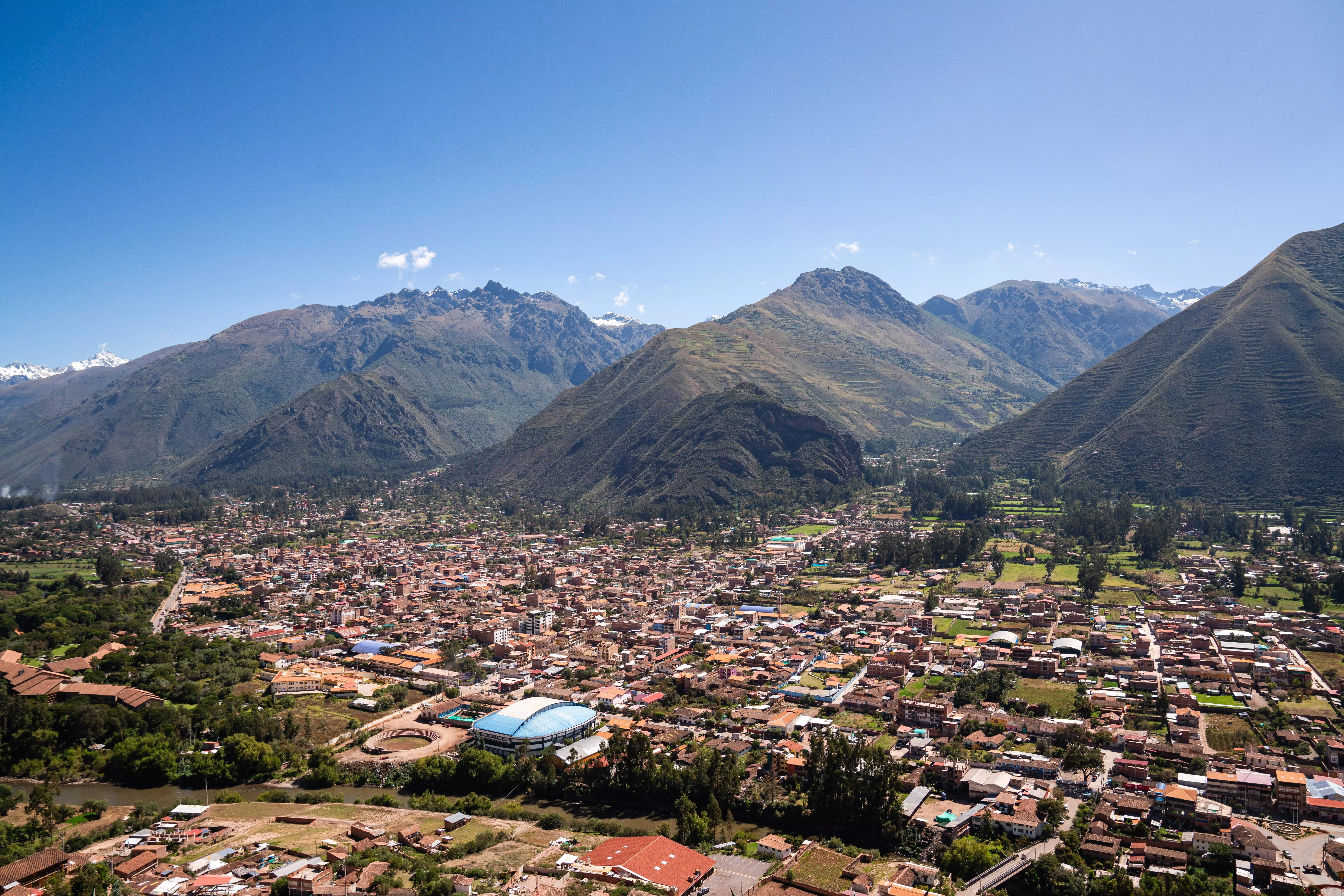
Urubamba
This is considered the centre of the Sacred Valley. It’s not the most picturesque town, but it’s the most popular place to stop off for lunch. There are plenty of options here, from Mexican tacos to local buffets.
-
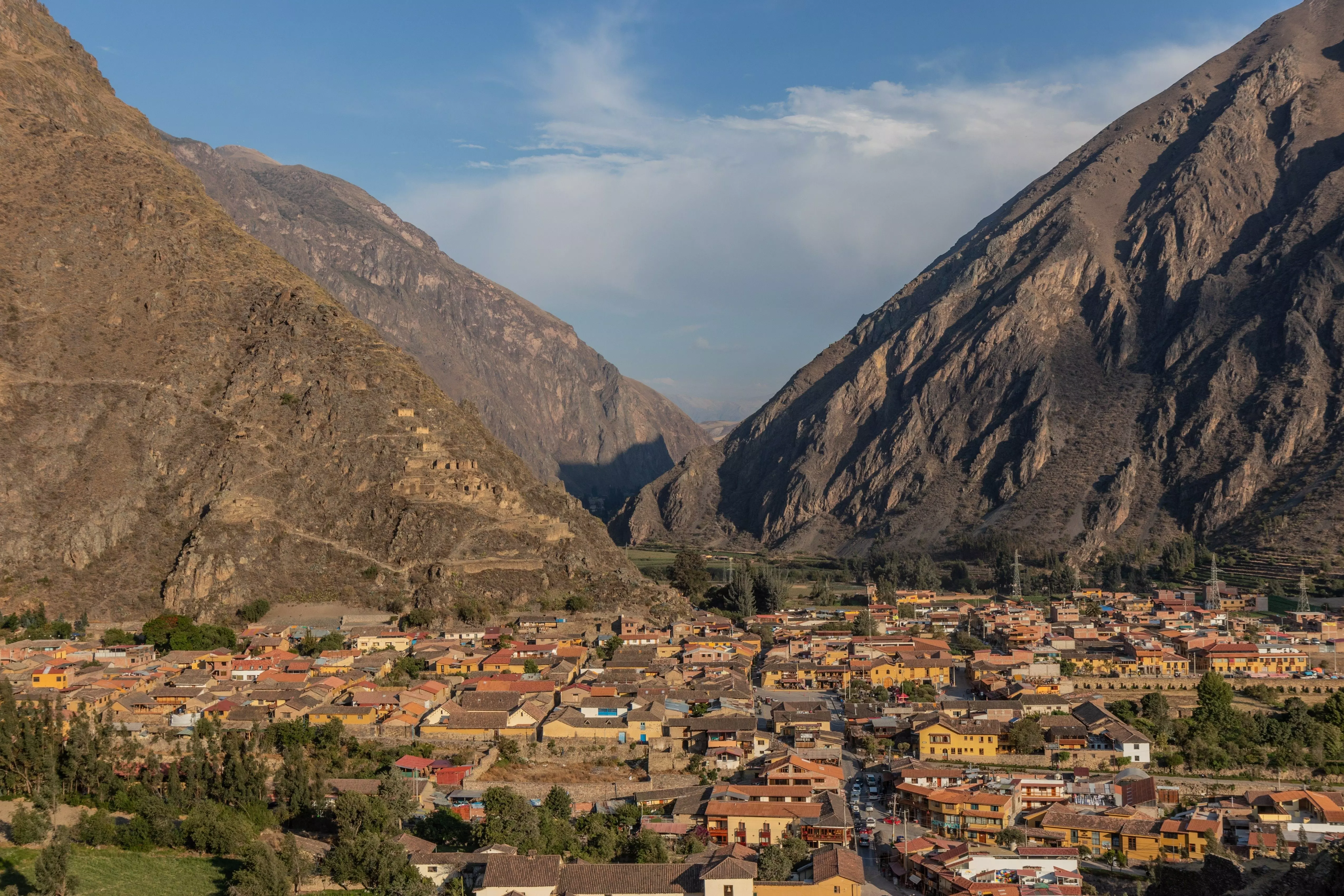
Ollantaytambo
Often referred to as a living Inca town. The layout, roads, and waterways remain from the Inca period, and the ruins overlooking the cute town are, as always, super impressive.
We highly recommend staying in the pretty, historic town, Ollantaytambo. Ollantaytambo is closer to Machu Picchu than Cusco, so if you’re planning on taking the train, it makes logistical sense. Trains with PeruRail depart from Ollantaytambo, trucking along through the gorgeous valley for 1.5 hours before arriving at Aguas Calientes.
How to explore the Sacred Valley independently
In Cusco, there are many tour operators offering Sacred Valley day trips. But if you prefer more freedom, you can easily explore it independently. You can hire a car from Cusco Airport for around €30 per day if you book in advance. Or for even more of a thrill, you can explore the area on two wheels. We hired a scooter from Cusco Moto Tour Peru and set off on a two-day adventure, but it can be done in one day if you leave early in the morning.
Day 5: Machu Picchu
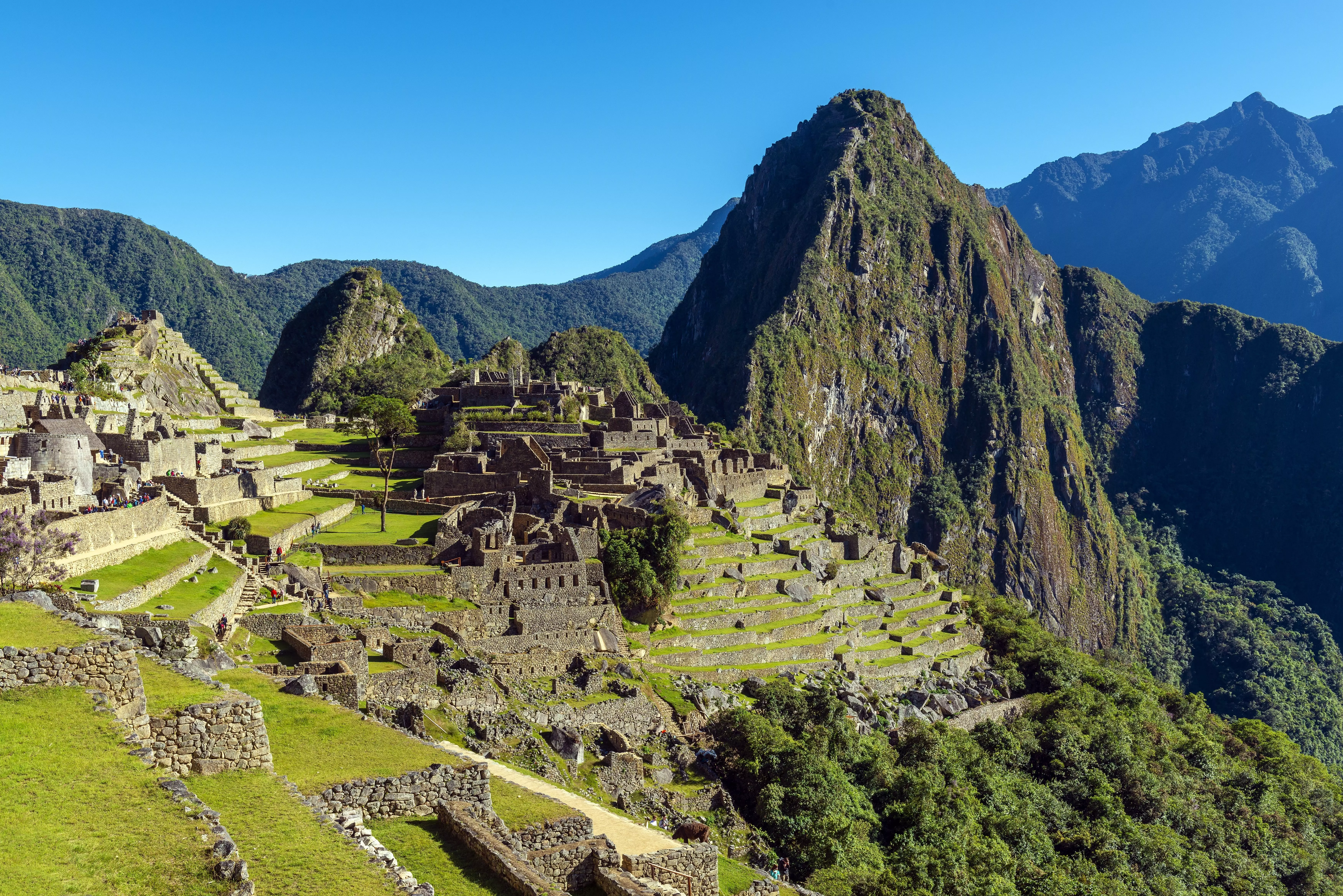
The big day, the day that your whole Peru trip has probably been centred around. We won’t bore you with how amazing it is – you’ll find out soon enough.
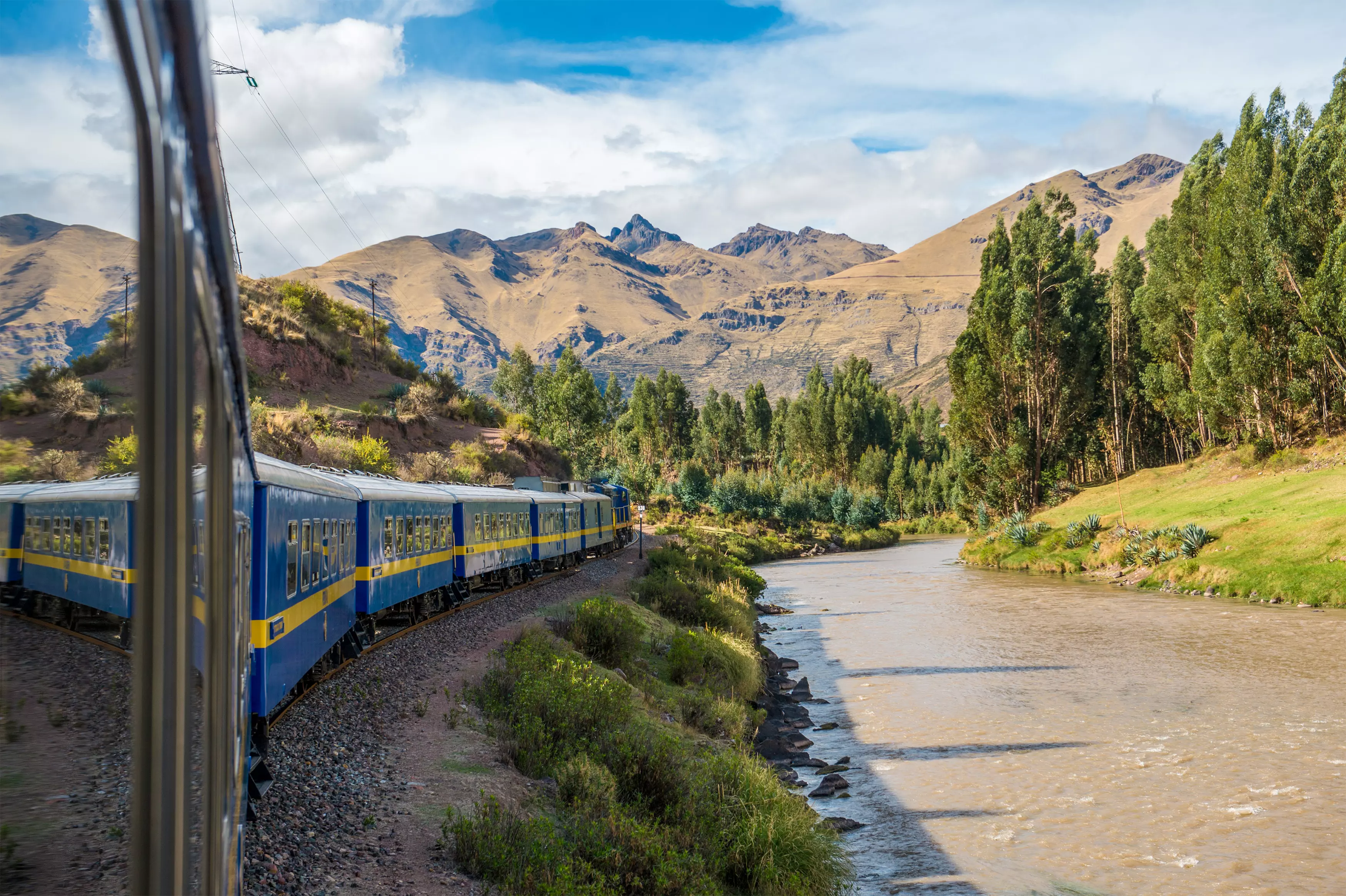
If you stay in Ollantaytambo the night before (recommended!), then you can hop on the PeruRail train to Aguas Calientes. It takes around 1.5 hours.
How to get to Machu Picchu
You can either hike, bus, drive, or take the train to Machu Picchu. All of these options actually take you to Aguas Calientes, the small town below Machu Picchu. It’s not possible to get closer to Machu Picchu by car or train – you have to hike 2 hours or take the bus from Aguas Calientes, which runs regularly.
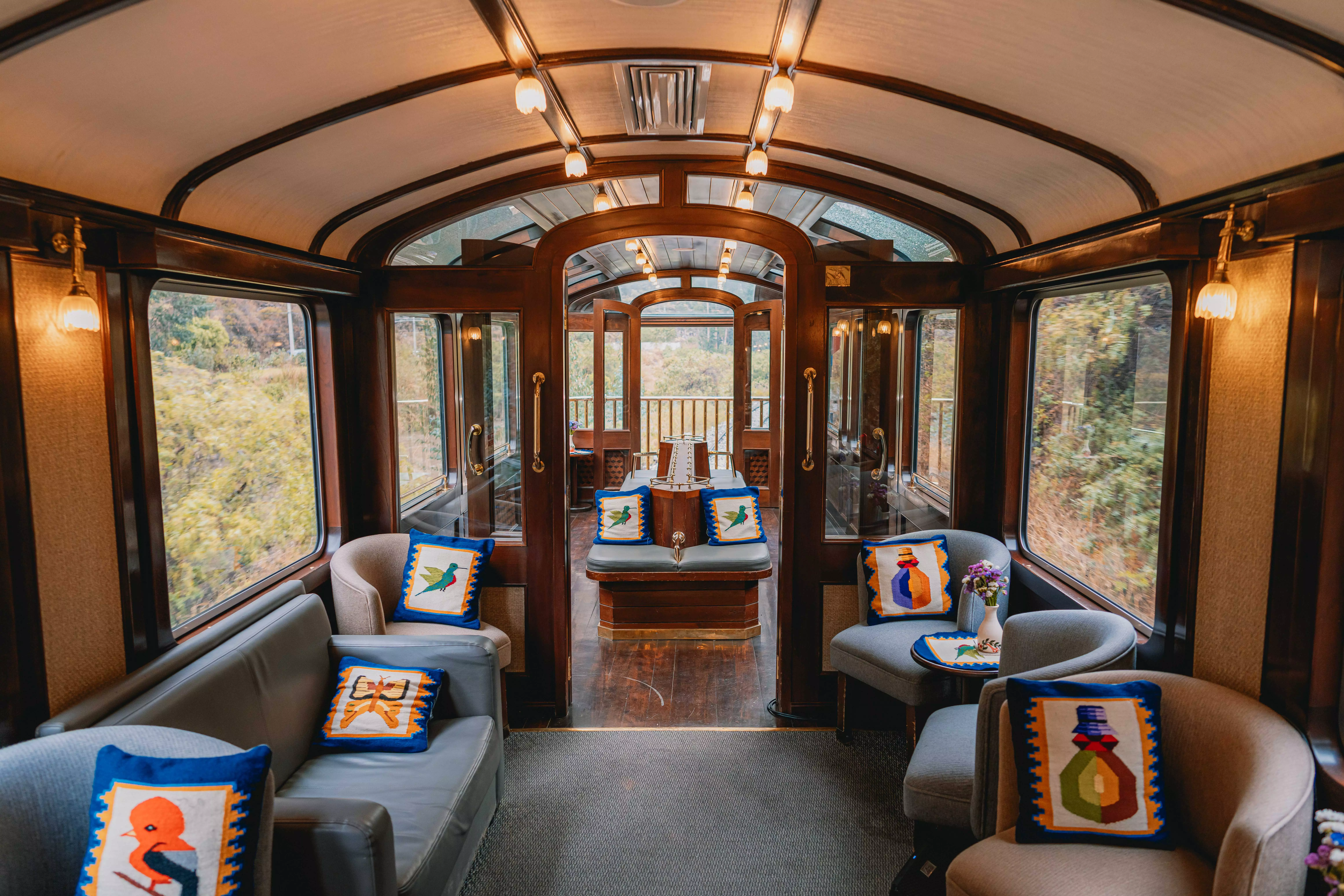
We did the Salkantay trek self-guided to Aguas Calientes, a 4-day (5 days if you include the 2-hour hike up to Machu Picchu), but the Inca Trail is another popular option. After all that hiking, an 8-hour bus on mountain roads wasn’t appealing to us. We opted for the much more comfortable (and so worth it) train. And because we’re only there once, we didn’t just go for the standard train journey; we took the PeruRail Vistadome Observatory.
We can imagine the train to Aguas Calientes would be even better, the whole carriage fizzing with excitement. But as a post-hike treat for us, it was perfect.
Is the PeruRail Vistadome Observatory worth it?
The PeruRail Vistadome Observatory isn’t just a means to an end – it’s an experience in its own right. It’s absolutely worth the money. For most of us, going to Machu Picchu is a once-in-a-lifetime experience, and cheersing to one of the Wonders of the World on a luxury train is a glorious way to wrap it up. Trundling through the Andes is unforgettable, and the PeruRail team make sure of that. Free snacks and hot drinks are the cherry on top, but the incredible views through the huge panoramic windows and the entertainment are what make it special.
How to get Machu Picchu tickets
The best way to get tickets for Machu Picchu is to book online, but bear in mind the slots sell out months in advance. If you book the Salkantay trek or Inca Trail with a tour operator, they’ll arrange the tickets for you.
However, if you don’t book with a tour group or there are no tickets available for your chosen date, you can get tickets in person. We finished the self-guided Salkantay trek, went to the ticket office in Aguas Calientes, and got tickets for the next day. Bear in mind that this was in April, which is the shoulder season.
Which is the best Machu Picchu circuit?
The best Machu Picchu circuit is widely considered to be 2B. It has a view from the upper terraces, and you can walk through the incredibly preserved ruins. This route is designed to last 2-3 hours. Circuit 3B also winds through parts of the site, but doesn’t cover as much ground. However, it’s still worth doing if it’s your only option.
Where to eat in Cusco
There’s a lot of good food in Cusco, from the local menu del dias to fine dining restaurants. We’ve narrowed it down by mood, depending on what you fancy.
For when you’re craving Western food: Jack’s Cafe
For elevated Peruvian comfort dishes: Yaku Restaurant
For high-quality meat: Uchu
For affordable and tasty: San Blas Market
For surprisingly great Japanese food: UFO
FAQs
Is 5 days enough in Cusco?
If you plan it right, you can make the most out of 5 days in Cusco and the surrounding areas. It’ll be a packed itinerary, but still worth it.
Do you need the Cusco tourist ticket?
Yes, you need the Cusco tourist ticket to gain entry to the Inca ruins next to Cusco and in the Sacred Valley. We recommend getting the 10-day complete tourist to gain access to 16 sites, including museums.
What is the best Machu Picchu circuit?
Circuit 2B is widely considered to be the best Machu Picchu route, with a view from the upper terraces, lower terraces, and the opportunity to walk through the ruins.
Is Rainbow Mountain worth it?
Yes, Rainbow Mountain is worth it. While it’s one of the busiest sites in Peru, it’s still a unique experience. Opt for an earlier tour to avoid the crowds.
Should you stay in Ollantaytambo or Cusco?
You should base yourself in Cusco, but we highly recommend a 1-night stay in Ollantaytambo. It’s also halfway between Cusco and Aguas Calientes (the town next to Machu Picchu), so it’s a great place to stop over before your Machu Picchu visit.
Is the PeruRail Vistadome Observatory worth it?
Yes, the PeruRail Vistadome Observatory is absolutely worth it. It’s a unique part of the experience, travelling through the Sacred Valley to Machu Picchu.
How far in advance should you book Machu Picchu?
If you’re booking your Machu Picchu ticket online, you should book 3 months in advance. Alternatively, the ticket office in Aguas Calientes holds a number of tickets for in-person bookings. If you go to the office in the morning, you can get a Machu Picchu ticket for the next day.
Get ready to plan your trip to South America

ABOUT THE AUTHOR
Aleyna Yilmaz
Aleyna loves learning about a culture through its food, whether that's closer to home or being out there in the world. She’s always happiest when experiencing somewhere new, but her base in London is a close second.