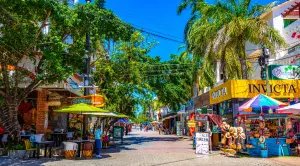
Mexico, the third-largest country in North America and 14th-largest in the world, is a hugely popular destination for travellers from all over the globe. With over 45 million international tourists visiting Mexico in 2024, it’s easy to see why so many people love to visit this spectacular country. Whether you want to soak up some winter sun or explore centuries-old ruins, there’s something for everyone in Mexico. Here is the ultimate travel guide to Mexico.
Everything You Need to Know Before Visiting Mexico
When’s the Best Time to Visit Mexico?
There are three primary seasons for visiting Mexico: peak season, shoulder season, and off-season.
Peak Season: November to April. This is when Mexico experiences its warmest and driest weather, and when most tourists opt to visit. It is perfect for a winter sun holiday, especially if you live in the Northern Hemisphere.
Shoulder Season: May and June, September and October. While the weather is still warm, some areas of Mexico can experience heavy rainfall, particularly in the south, although overall it is much quieter to visit in the shoulder season than the peak season.
Off-Season: July and August. While prices are much lower, and while the weather can still be pleasant, this is the peak of the rainy season in Mexico. Coastal towns and cities on both the Caribbean and Pacific coasts can also experience hurricanes during July and August.
Language Guide: What You Need to Know
English is widely spoken in Mexico, given that it borders the biggest English-speaking nation on Earth (the USA), but Spanish is the main language spoken in Mexico, as well as regional dialects in some small towns and villages.
Speaking Spanish in Mexico is often met with warmth and kindness, and locals love it when you speak a little bit of their language, as it is deemed respectful. Here are a few handy phrases which you might want to learn when visiting Mexico.
Hello: Hola
Goodbye: Adiós
Please: Por favor
Thank you (very much): (Muchas) gracias
Yes: Sí
No: No
Do you speak English? ¿Hablas Inglés?
I don’t speak Spanish: No hablo Español
How are you? ¿Cómo estás?
Staying Safe While Travelling in Mexico
Like most countries, Mexico has its safe areas and its dangerous areas. As such, you should do your research before booking a trip here to avoid any danger.
Most of the Mexican economy is still very cash-reliant, especially for things such as street food vendors, small cafes and bars. While you need cash to spend at these stalls, it is important not to carry too much around with you, as pickpockets and thieves operate on a large scale, particularly in busy cities such as Mexico City and Cancún.
Make sure that when you are in a restaurant or bar, you do not leave your bags unattended.
Be careful when using public transport, and especially taxis. You should only use fully licensed taxis, or opt to hire a car instead. Buses and trains, while convenient, are also hotspots for thieves and pickpockets.
There are also some areas which should be avoided altogether in Mexico, due to dangers surrounding drug cartels and other unsavoury dangers. These include various areas in the states of Chihuahua, Baja California, Sinaloa, Tamaulipas, Zacatecas, Guanajuato, Michoacán and more. A comprehensive list can be found here.
How Much Does a Trip Cost? (Average Daily Budget)
Depending on how you want to experience Mexico, your budget will vary.
Budget: Expect to spend anywhere between $35 and $55 per day on a budget trip to Mexico. This covers everything from budget-friendly accommodation, food, drinks, entertainment and more. Many people opt for an all-inclusive resort, so most of this is already covered if you plan on staying in a resort.
Mid-Range: Anywhere from $100 to $150 per day is what you are more likely to spend on a mid-range trip. This includes dining out the majority of the time (including tips), excursions such as whale watching or diving, and travelling around in taxis.
Luxury: Luxury trips naturally are the most expensive. This will range anywhere from $200 to upwards of $500 per day, depending on what you want to do. This includes luxury excursions, VIP restaurants and nightclubs, exceptional levels of service and five-star luxury hotel accommodation.
Best Cities to Visit in Mexico
While there are many beautiful and charming cities in Mexico, these are four of the best.
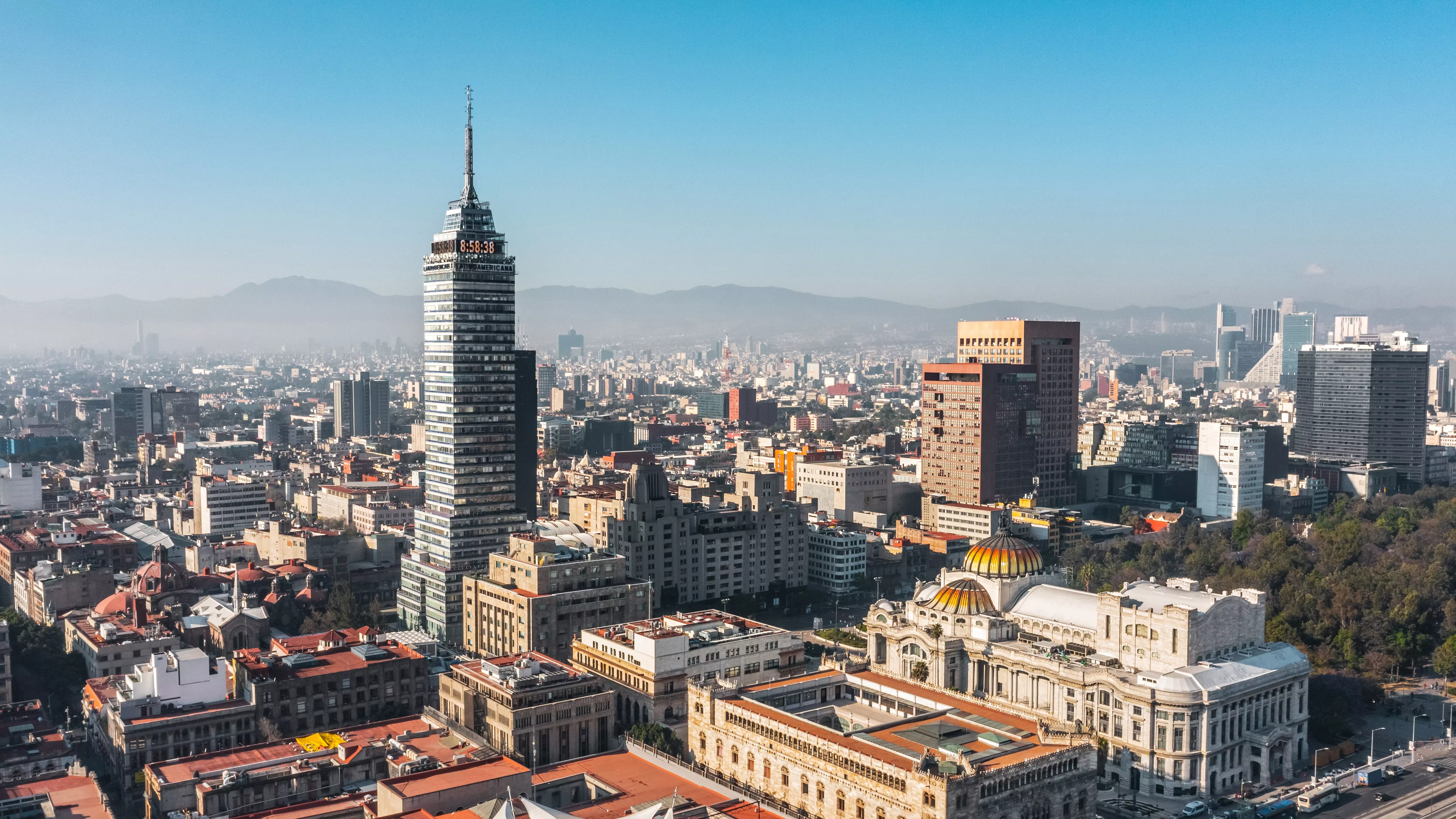
City 1: Mexico City
What to Do: Historic city centre, visit museums, experience authentic Mexican markets.
Where to Stay: The Centró Histórico is best for those wanting a cultural experience, while the upper-class leafy neighbourhoods of Roma and Condesa are aimed more at those wanting a luxury stay in the nation’s capital.
Average Cost: Anywhere from $50 upwards will ensure that you have a fun time in Mexico City, and can experience everything from dining out to day trips.
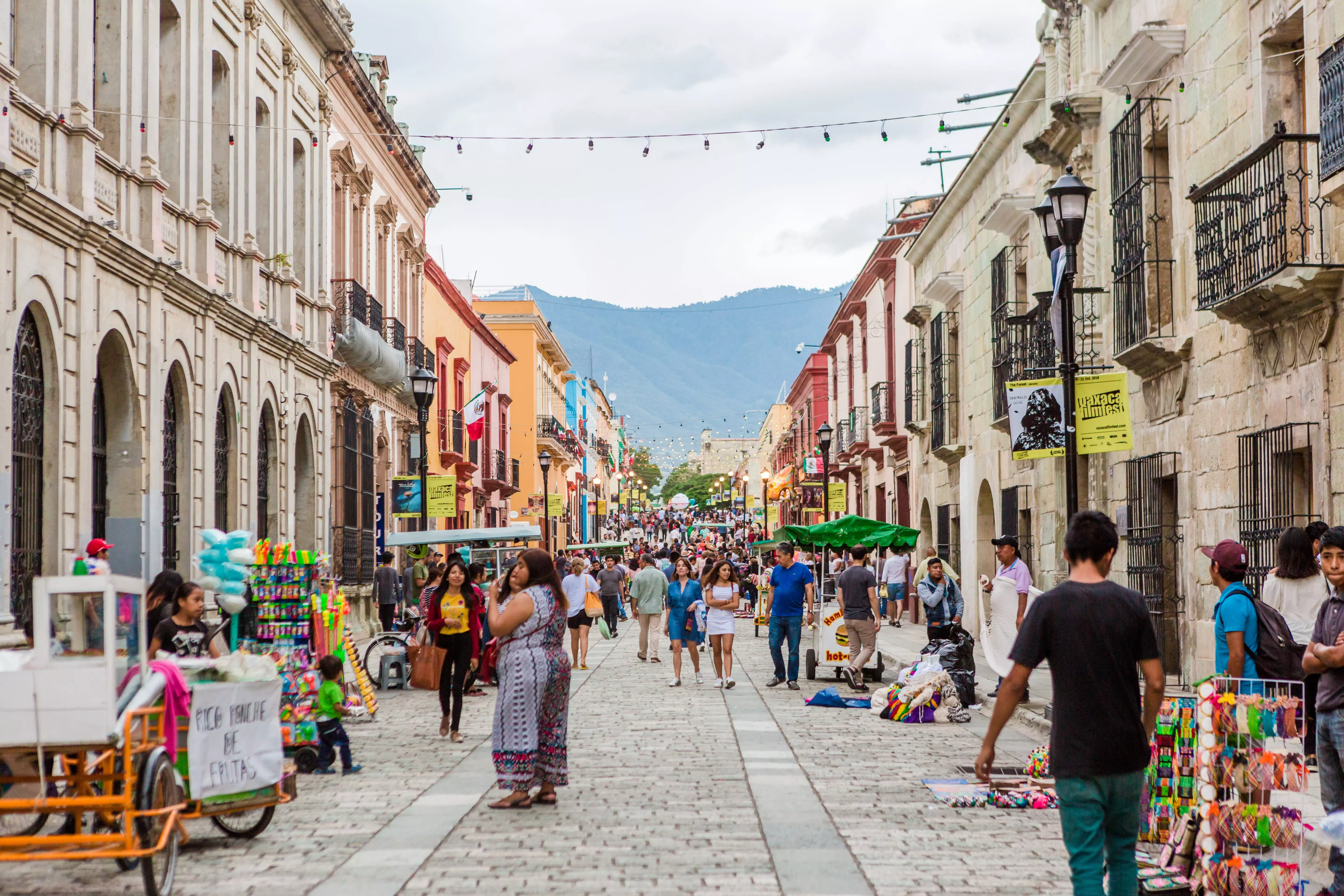
City 2: Oaxaca
What to Do: Santo Domingo Church, Zocalo, Oaxaca Botanical Gardens
Where to Stay: Centro places you directly in the middle of the city, making it easy to access most attractions on foot or by a short taxi ride. Jalatlaco is another good area to stay, due to its proximity to the centre, as well as being a bit quieter in the evening.
Average Cost: Around $60 per day will be enough to enjoy Oaxaca at a budget level, although some people prefer to budget $100 per day and then take home any extra they have left.
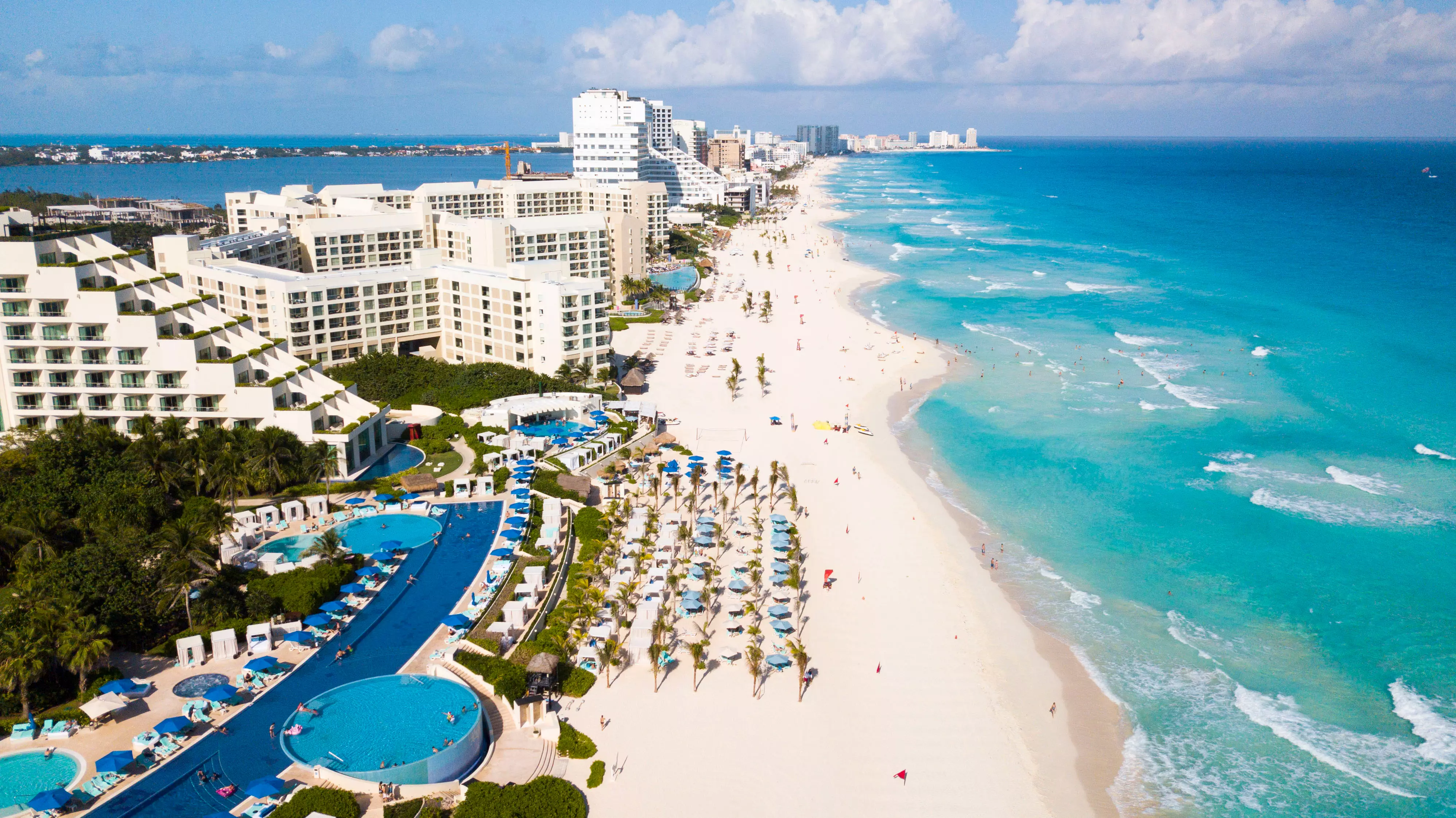
City 3: Cancún
What to Do: Visit the beaches, Chichen Itza, and adventure parks.
Where to Stay: Zona Hotelera is the primary hotel zone in Cancún, while River Cancún resorts and hotels are aimed at luxury travellers. Isla Mujeres is another good area to stay for those searching for a more rural escape.
Average Cost: Anywhere from $40 to $100 per day is an excellent budget for those visiting Cancún. Food and drink are not very expensive, and most excursions are also very budget-friendly, especially if you visit out of the peak season.
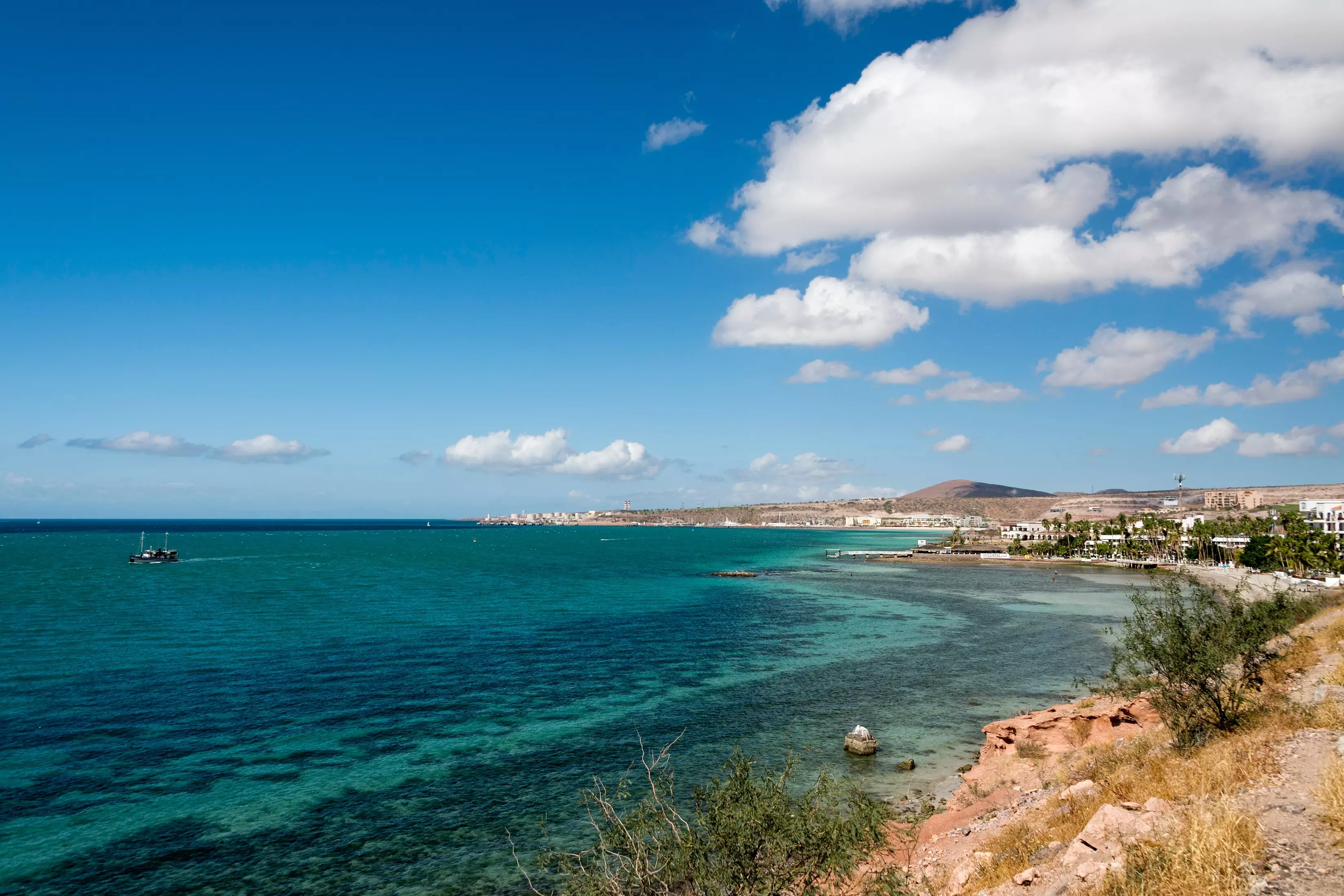
City 4: La Paz
What to Do: Malecón Boardwalk, snorkelling, art galleries.
Where to Stay: Stay near the Boardwalk for easy access to the beaches and the vibrant seafront, or opt instead to stay in Zona Centro, the main central area of the city.
Average Cost: Around $40 per day is suitable for a budget traveller, while anywhere upwards of $100 ensures that luxury travellers can still enjoy their time in La Paz.
A Guide to Mexico's Diverse Regions
Mexico, due to its large size, is one of the most geographically and naturally beautiful countries in the world, but at the same time, it has bustling cities and towns, ideal for those searching for a city break.
The north of the country is often seen as ‘Americanised Mexico’ – and to many people, it does not look too dissimilar to bordering states such as Arizona and New Mexico. Desert landscapes characterise the north of the country, and it has had a faster pace of development than the rest of Mexico. It’s a great place to visit for those in search of outdoor activities like canyoneering or rock climbing.
On the contrary, southern Mexico is much more influenced by its Latin American neighbours, and the climate and geography – dense jungle, rural ranches and green landscapes – dominate the skyline. This is an excellent place to visit for those in search of an authentic Latin American experience, as well as those who wish to undertake jungle safaris and tours.
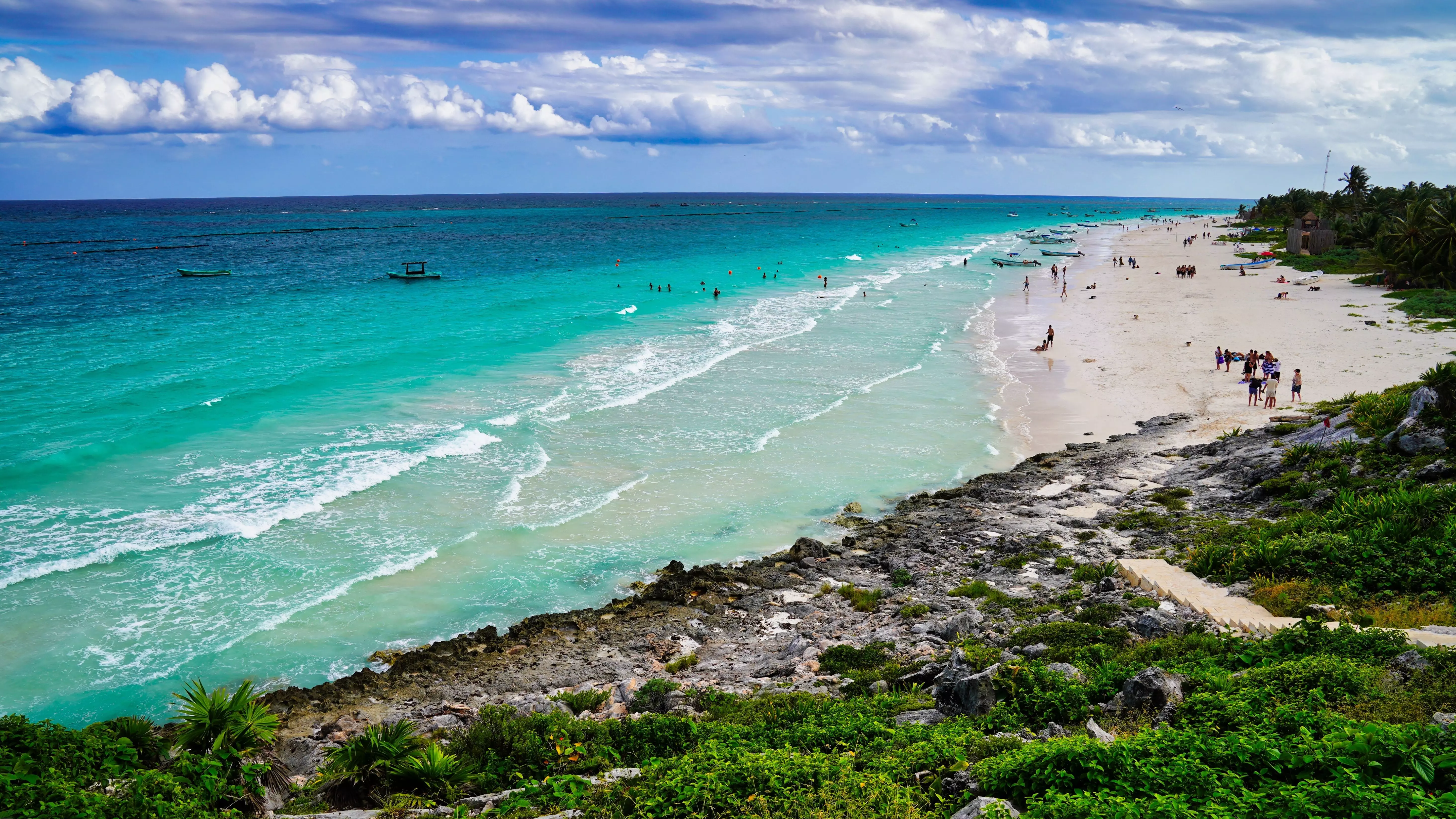
The east coast of Mexico, also known as Mexico’s Caribbean Coast, is where most tourists opt to visit, especially the Yucatán Peninsula in the southeast. Numerous holiday resorts dominate the coastline, and you will find more English speakers in this part of the country than anywhere else. The white-sand beaches are idyllic, and the climate is generally pleasant year-round.
Mexico’s Pacific Coast, on the western edge of the country, is similarly beautiful, but is much quieter than the East Coast. As such, it is a fantastic part of the country to visit for those wanting a more authentic Mexican holiday, and if you don’t mind speaking some Spanish, either.
The Big Experiences You Don’t Want To Miss
Mexico is filled with incredible scenery and wonders, and as such, there's so much to do across the country.
One of the best experiences in Mexico is to visit Chichen Itza, found in the Yucatán Peninsula. This Ancient Mayan site is a UNESCO World Heritage Site and one of the 7 Wonders of the World. The huge stone carvings, such as the Temple of the Warriors and the Wall of the Skulls can still be seen today, and the ancient ball court can also still be explored. This is one of Mexico's most well-known sites, and a must visit for any tourist.
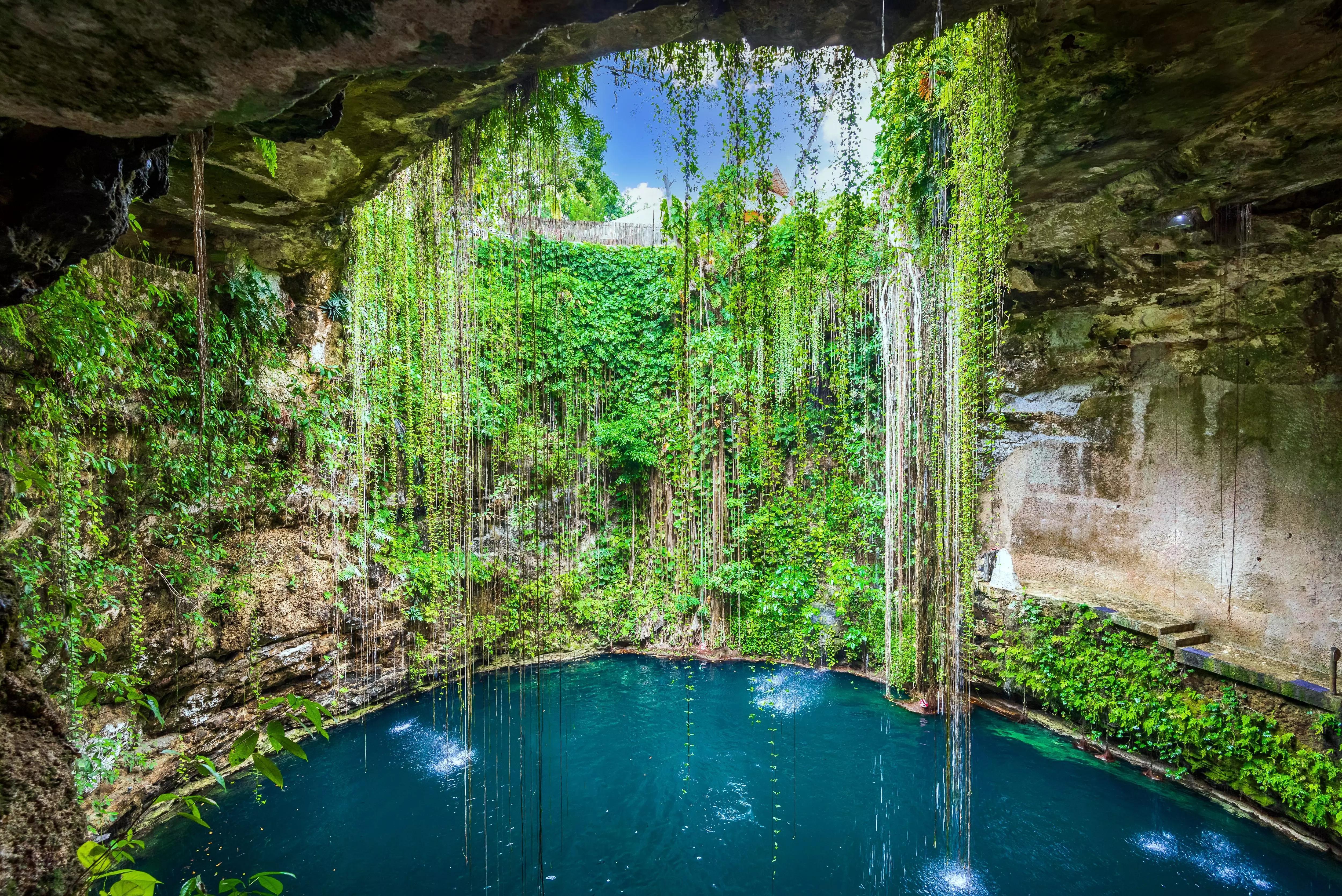
Mexico is also well-known for its cenotes, which are naturally-occuring sinkholes, formed by the collapse of limestone rock. They fill with rainwater, and are excellent places to go swimming, or cave diving if you're brave enough. While they can be found throughout the more rural and jungle-filled areas of the country, they are predominantly found in the Yucatán Peninsula.
Further south, the Day of the Dead celebrations which take place in Oaxaca, are some of the best in the country. In late October to early November, families honour their deceased loved ones, while the city transforms into a vibrant, colourful paradise.
Another one for the history lovers, the pre-Columbian city of San Juan Teotihuacán, found northeast of Mexico City, was once the largest city in the Americas before the arrival of the Spanish. Its name in the Aztec language means 'the place where the gods were created', and it is that old, it was a hugely significant historic city even to the Aztecs.
Hidden Corners of Mexico
Despite attracting 45 million visitors in the last year, there are still some hidden gems in Mexico that not many people know about.
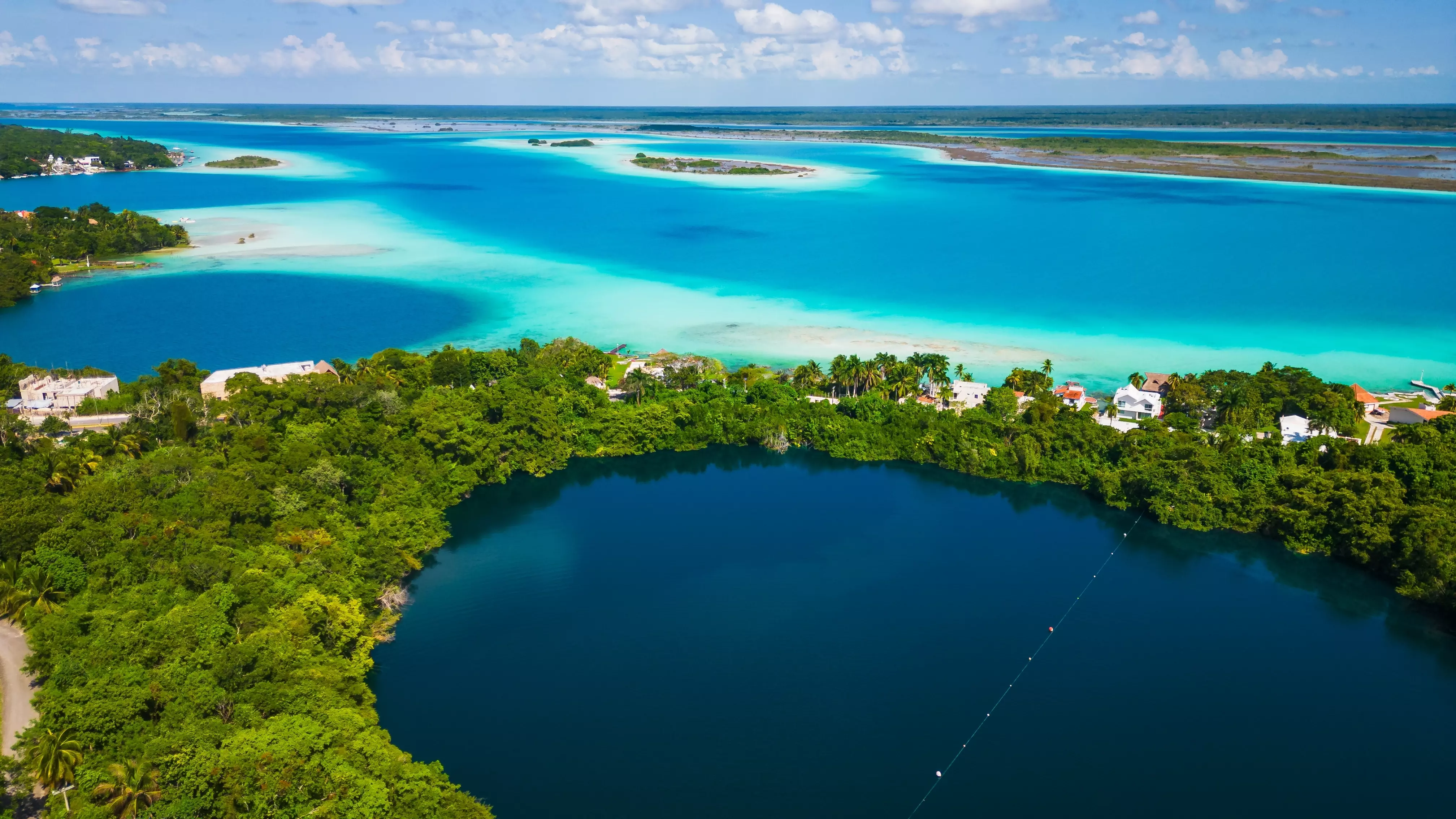
Bacalár is known for its ‘Lagoon of Seven Colours’, and this natural phenomenon is one of the most beautiful lagoons in the world, and is infrequently visited by tourists, which has helped preserve its natural beauty and sense of awe and wonder.
Grutas de Tolantongo are a beautiful network of natural hot springs, waterfalls and caves in Hidalgo, north of Mexico City. Despite their proximity to the capital, they are still a hidden gem in Mexico.
Loreto in Baja California Sur in Mexico is known for its laidback beach vibes without the tourist traps and scams. It is also known for being one of the best marine wildlife watching spots in Mexico, where you can expect to see blue whales, grey whales, hammerhead sharks, marlin, sea turtles and more throughout the year.
How To Avoid Tourist Scams and Traps in Mexico
Keep any belongings such as mobile phones and wallets close by you, and never leave any bags unattended. Do not give in to pressure from street vendors or salespeople selling sunglasses and hats along the beaches, as these are often unlicensed traders.
Handy Tips and How to Plan Your Trip
The Mexican people are generally very friendly towards tourists, so here are a few handy tips on how you can make the most of your visit to Mexico.
You should always greet people by saying hola or buenos dias (good day), and use terms such as señor (sir) or señorita (madam) in conversation. Cheek kisses and handshakes are also expected when greeting women and men, respectively.
Tipping is expected in Mexico. The general rule is 10%-20% at bars and restaurants, while leaving money for housekeepers in hotels is also expected, usually around 25-50 pesos ($2.75) per day.
Dress codes are generally non-existent in Mexico, but purposefully wearing oversized sombreros and ponchos can be seen as cultural appropriation by some. You should also wear clothing that covers your shoulders and goes below the knees when entering religious sites, such as historic churches.
How long you decide to spend in Mexico varies according to your budget and more. Most people opt to spend at least a week in Mexico, and we would definitely recommend a stay of at least a week, but ten-day and two-week stays are also not uncommon, especially for those travelling from places further afield such as Europe and the Middle East.
Get ready to plan your trip to Mexico
ABOUT THE AUTHOR
Chester Ollivier
Chester is passionate about exploring new places through food, history and heritage. Whether he is uncovering hidden gems in North East England or travelling to exotic locations across the globe, his enthusiasm for food and history fuels his adventures. His love for writing, combined with his intrigue of different cultures and their histories has led him to pursue a career as a travel writer.
SIMILAR ARTICLES
The 7 Best Places to Go in January 2026

The 7 Best Places to Go in February 2026
The Best Places for Snorkeling in Mexico
What to Pack for Mexico: The Essential List
MOST POPULAR
newsletter