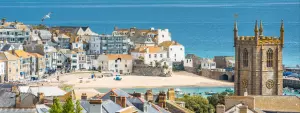
What makes a place culturally rich? It’s not just about the number of museums and theatres, nor is it solely defined by local markets or grassroots music scenes. Culture in the UK shows up in different ways. In cities like Edinburgh and Manchester, it’s impossible to ignore the bold historical and influential cultural scenes. In coastal areas like Cornwall, culture is rooted in place and lifestyle, while Leicester shows how culture can be shaped by migration and multiculturalism.
In this ranking, we’ve considered everything from cultural infrastructure per capita to the number of cuisine types, the number of languages spoken locally, and the percentage of creative jobs in the workforce. But cultural richness isn’t something you can always measure. There’s a harder-to-define sense of community, culture, and identity that some places just have. Whether you’re drawn to big city living or an outdoorsy lifestyle, there are the best places to live in the UK where the local culture really thrives.
Ranked: The 30 most culturally rich places to live in the UK
30. Newport, Wales
Cultural calendar highlights: Newport Food and Drink Festival (October 2026), Castell Howard Food Show (date TBC), Big Splash (July 2026), Newport Music Trail (March 2026), Reggae & Riddim Festival (summer 2026)
Set on the banks of the River Usk, Newport is a down-to-earth city with a pulsating cultural energy. With roughly 90 languages spoken across the city and a packed calendar of festivals and community events, Newport is shaped by its diverse communities and fiercely independent creative scene.
Creativity is vital to the local economy, with 5.2% of the workforce employed in creative industries, but also a place where the arts are community-driven and accessible to everyone.
Newport’s grassroots music scene encapsulates the city’s fierce pride, resilience, and working-class identity. In recent years, Newport’s independent venue scene has had a revival, even as grassroots venues across the UK face increasing pressure. A 2024 NME article celebrates Newport’s resurgent music scene, with Sam Dabb, owner of 100-capacity music venue Le Pub (Le Public Space), suggesting that Newport is “entering another golden era”.
The beloved Le Pub was bought by the charity Music Venue Trust (MVT) in 2024, ensuring it remains a non-profit, community-driven space. Across the road from Le Pub, the Corn Exchange is also a not-for-profit music venue with a capacity of 500 people, run by a group of volunteer directors as part of a not-for-profit Community Benefit Society. The Cab, another non-profit venue, try to keep their tickets under £10, welcomes under 16s, and only charges £10 for 4 cans of beer.
Beyond music, Barnabas Arts House is an independent gallery and creative hub hosting workshops, creative writing groups, and exhibitions, while the Riverfront is the city’s main contemporary arts venue. Here, locals can enjoy theatre, comedy, film screenings, creative classes and multicultural celebrations throughout the year, like Diwali and Lunar New Year.
What makes Newport stand out is the city’s collaborative spirit. It’s made for and by the people who live here. Events like the free Newport Music Trail bring venues across the city together for a weekend of live (again, free!) performances, while festivals such as the Big Splash transform the city centre into a vibrant celebration of street performances, markets, family-friendly arts, and food.
29. Sheffield, England
Cultural calendar highlights: Tramlines Music Festival (24th – 26th July 2026), Sheffield DocFest (10th – 15th June 2026), Sheffield Food Festival (May 2026),
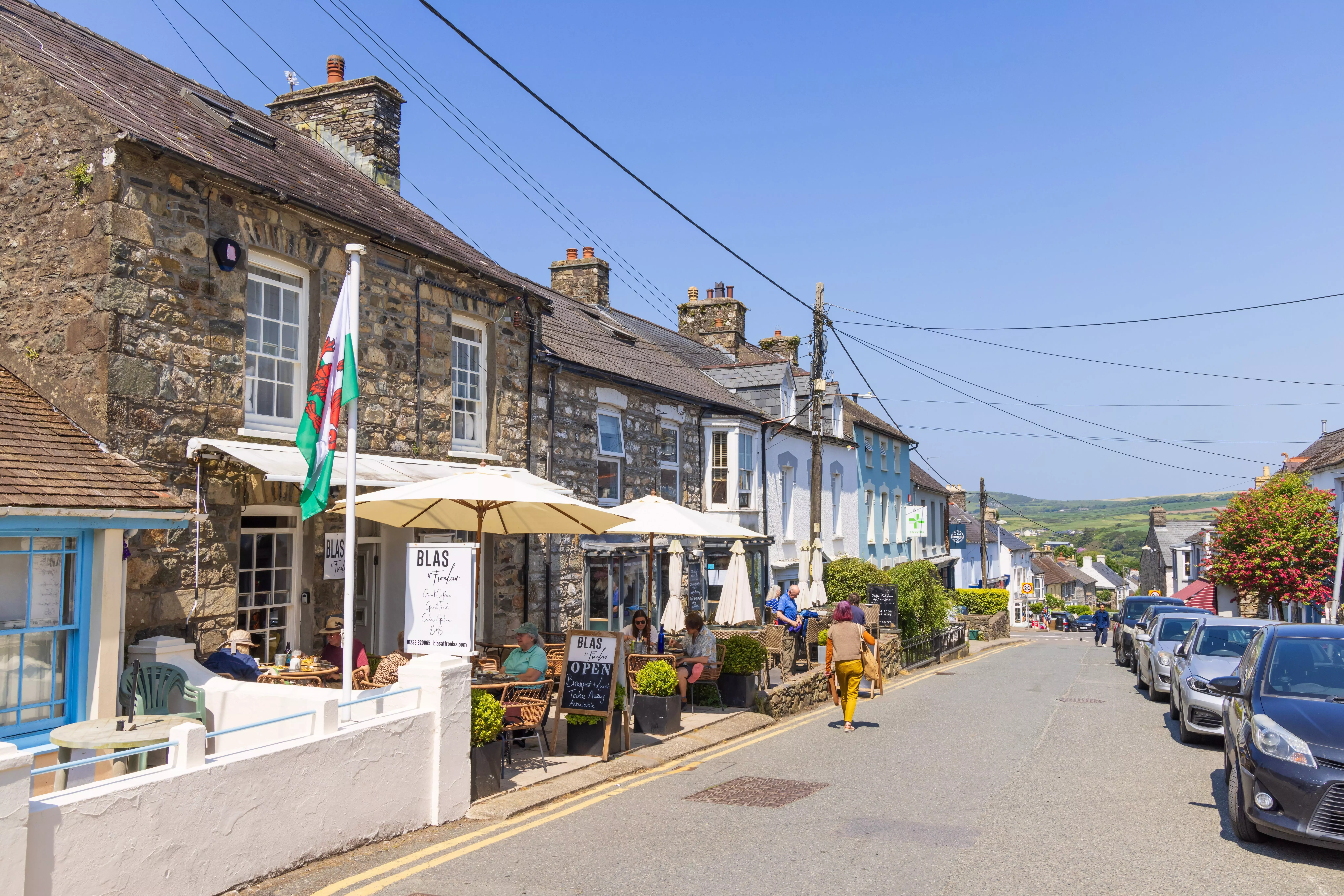
Former steel-making hub turned England’s greenest city, Sheffield’s identity is storied. From homegrown iconic bands, like Pulp and Human League, to the regeneration of industrial areas like Kelham Island – now a cultural hotspot of museums and independent restaurants – creativity is embedded into this friendly city. Affordable housing, access to green spaces and the nearby Peak District make Sheffield a great place to live, and the city’s vibrant cultural life is the cherry on top.
Diversity and multicultural communities are central to Sheffield’s welcoming identity. Around 130 languages are spoken, and a wide range of diverse restaurants reflect the city’s global influences.
Community hubs, like SADACCA (Sheffield and District African Caribbean Community Association), Sheffield Chinese Community Centre, Israac Centre, and many more, are invaluable spaces for communities, hosting activities, cultural events, and celebrations for multiple generations. Sheffield is serious about its third spaces (a space that isn’t home or work/school).
Sheffield’s cultural infrastructure is equally strong. Theatres like Lyceum and Crucible bring major productions to the city, while independent venues, like the Lantern, keep Sheffield’s creative scene thriving. The city also hosts one of the world’s biggest documentary festivals, Sheffield DocFest.
Grassroots venues and projects are at the heart of Sheffield’s entertainment scene. Not-for-profit venue Gut Level hosts electronic music nights, parties, shared meals, film clubs, and more, while spaces like Plot 22 and the iconic Washington continue to support Sheffield’s enduring independent music culture.
28. Derry, Ireland
Cultural calendar highlights: St. Patrick’s Day (17th March 2026), City of Derry Jazz & Big Band Festival (29th April – 4th May 2026), Foyle Maritime Festival (25th – 28th June 2026), Foyle Film Festival (22nd November – 1st December 2026), Halloween in Derry (October 2026)
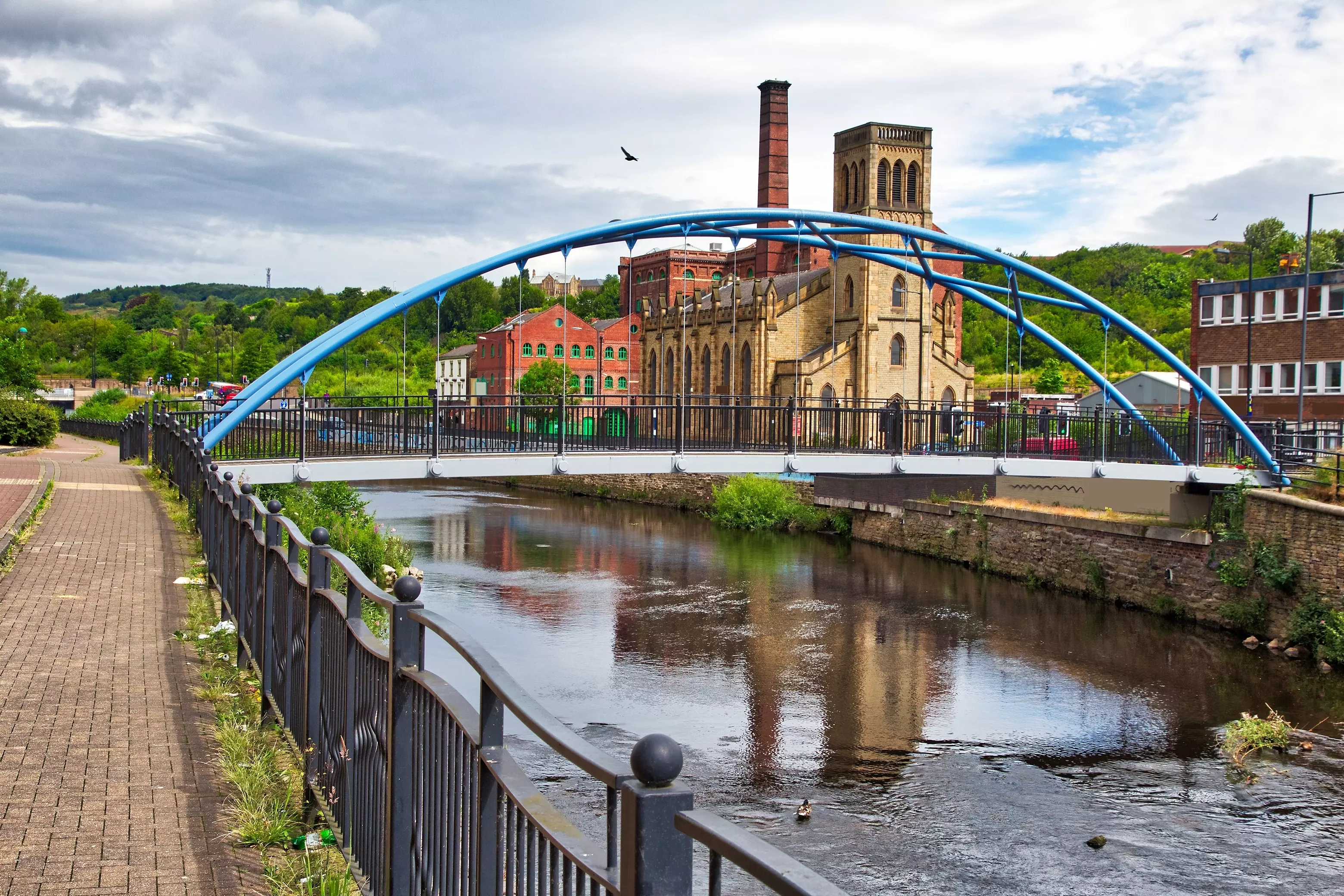
History, culture, creativity, and community spirit are deeply intertwined in Derry. Known for its 17th-century walls, Derry has centuries of political history and resilience that carry a lot of weight in the cultural space, but it’s also a place where grassroots revenues, communities, and contemporary arts flourish. That was recognised in 2013, when Derry became the first ever city to be the UK City of Culture, a milestone that helped transform the city’s visibility as a cultural outpost.
The city’s physical landscape plays a central role in its cultural identity. The historic walls aren’t just preserved landmarks. They’re used daily as walking routes, and as stages for festivals and parades. The Bogside murals are one of the most powerful collections of political street art in the UK and Ireland, documenting civil rights history.
It might have been the first UK City of Culture, but the cultural identity here is deeply Irish. The Irish language is going through a revival, supported by local schools, theatre, and community groups. At the same time, its position on the border brings a blend of influences, with cross-border festivals like Songlines, which encourage cross-border music collaboration.
The city’s creative output is easy to find and accessible. The Millennium Forum, one of Ireland’s largest theatres, brings major touring productions to Derry, while the Playhouse is the go-to for independent, intimate performances. Derry is also a hub of annual festivals and celebrations, including one of Europe’s largest Halloween celebrations. But it’s not just the big events that make up this city’s cultural identity. Independent galleries, music venues, and community arts organisations create space for local voices and emerging artists, which helps to sustain creativity and entertainment in the everyday lives of Derry locals.
27. Leicester, England
Cultural calendar highlights: Leicester Comedy Festival (February), Caribbean Carnival (1st August 2026), Riverside Festival (6th & 7th June 2026), Diwali (8th November 2026)
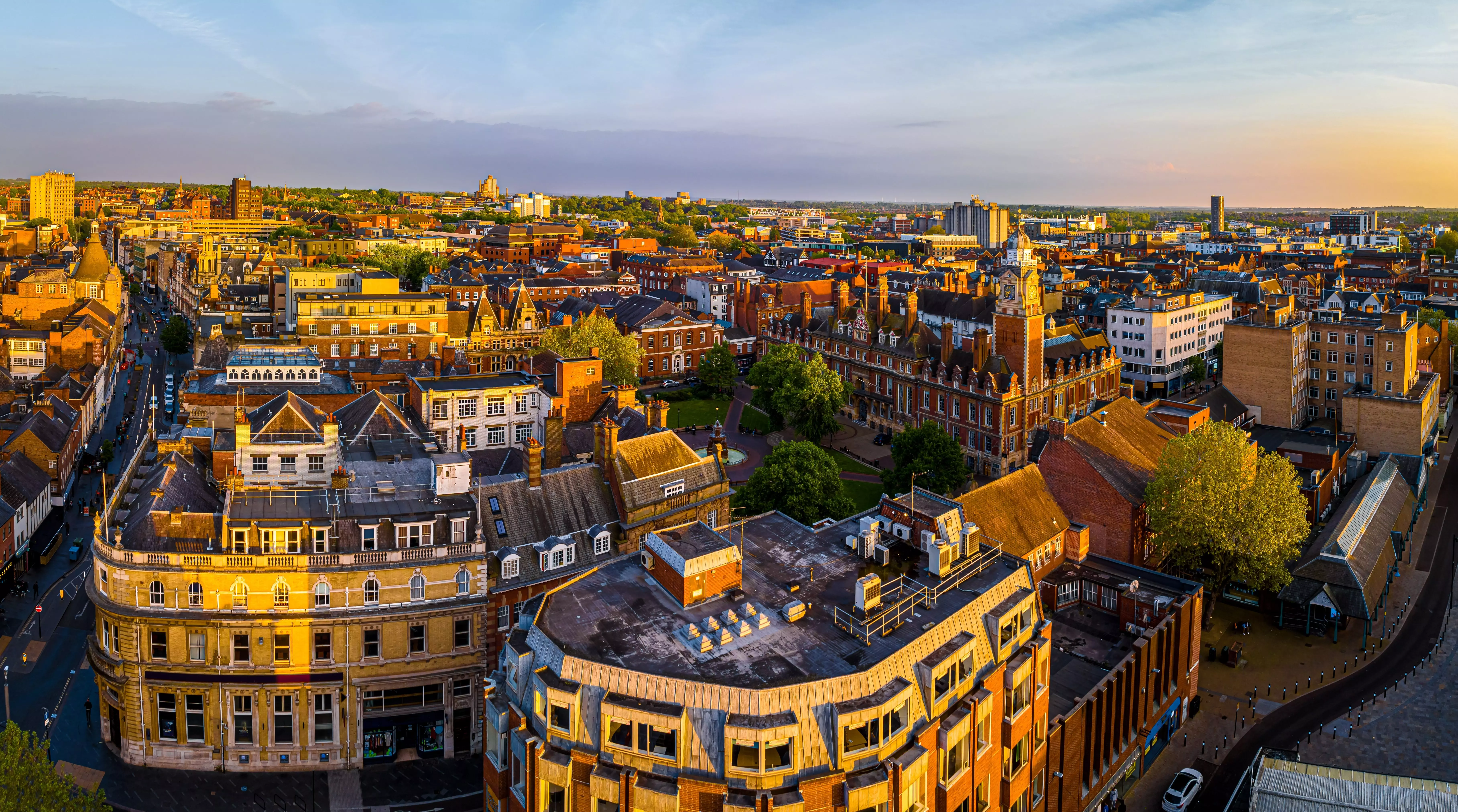
One of the UK’s most diverse cities, Leicester has built an identity rooted in community and migration. Often cited as the UK’s first ‘majority minority’ city, Leicester’s cultural life reflects the generations of communities who have shaped it.
That diversity is most visible on the streets. Around 150 languages are spoken locally, and neighbourhoods like the Golden Mile are hubs of Asian culture, with authentic restaurants, jewellery shops, and fabric stores lining the high street. It’s also home to what is largely considered the biggest Diwali celebrations outside of India, where the city comes together for performances, amazing food, community events, and light displays. And events like the Leicester Caribbean Festival and the Leicester Comedy Festival make up a year-round cultural calendar of music, heritage, identity, and food.
Leicester’s cultural strength lies in its community-led culture. It’s not about flagship institutions here. It’s about family-run eateries, independent places of worship, shared traditions, sharing food, and celebrating identity. That spills into the city’s entertainment spaces, too. Curve Theatre produces diverse productions and global dance performances, and the Phoenix is an indie cinema showing films from around the world.
26. Aberdeen, Scotland
Cultural calendar highlights: True North Music Festival (date TBC), Aberdeen Jazz Festival (12th – 2nd March 2026), Spectra (5th - 8th February 2026), Nuart Aberdeen (22nd – 26th April 2026), Festival of the Sea (11th - 26th July 2026)
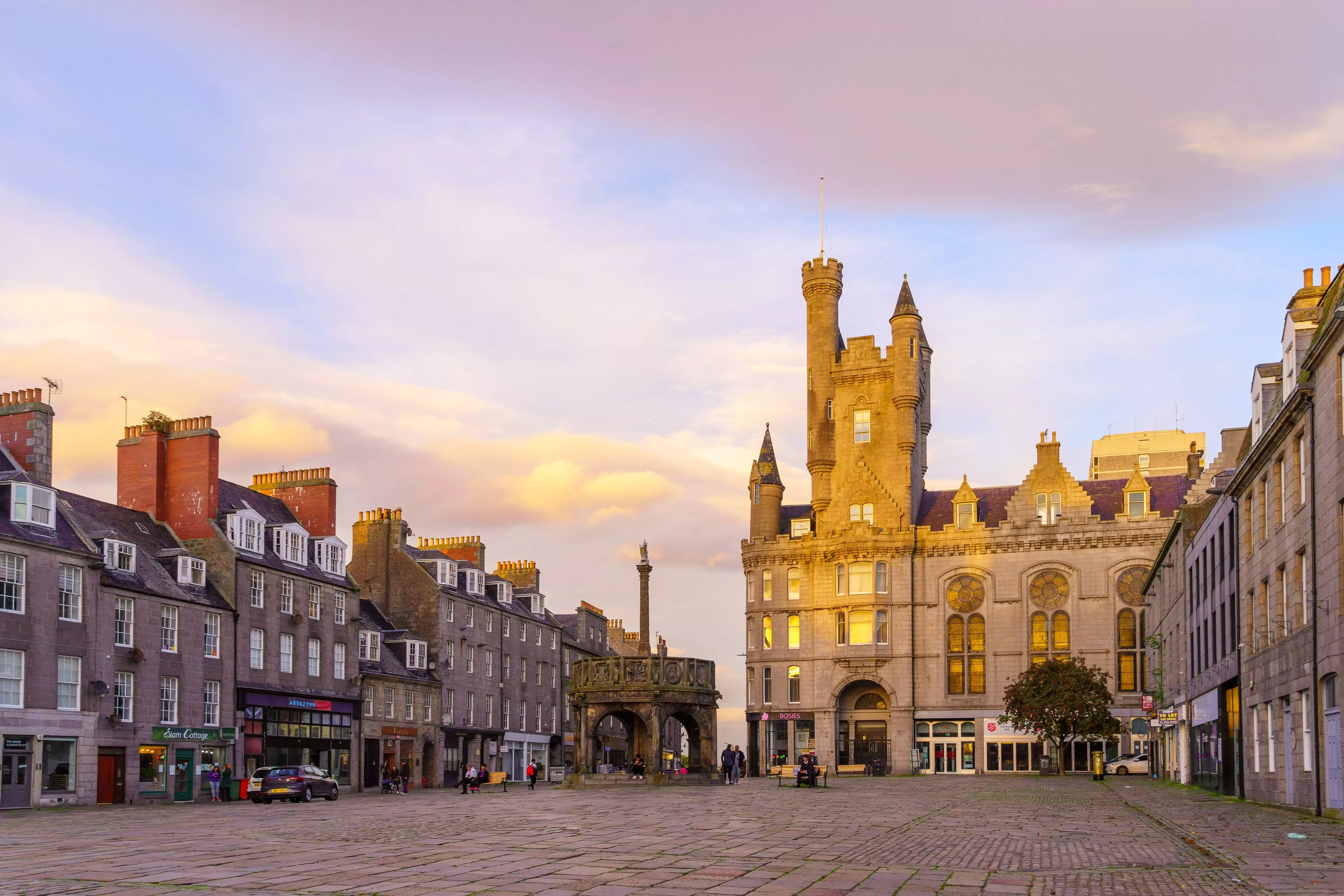
Set between the North Sea coast and the rolling landscapes of northeast Scotland, Aberdeen is in a prime spot for natural beauty. But the city also blends cultural depth, with a long oil history that has helped to shape diversity. Known as the Granite City thanks to its distinctive grey-stone architecture, which shimmers on the (albeit rare) sunny day in Aberdeen.
Aberdeen is widely considered Scotland’s most diverse city. Its historical roots as a trade city have positioned it as a global energy hub, attracting international workers. The city’s universities also attract a young, diverse population, as well as bolstering the nightlife and entertainment scene. Today, around 150 languages are spoken, with a rich and varied food scene. From Turkish to Thai, Aberdonians eat well here. And the lower-than-average cost of living and generally high salaries – driven by the oil and gas industries – contribute to the high quality of life.
The city’s buzzing cultural life is reflected in a packed festival calendar and a growing arts scene. The winter light festival, SPECTRA, transforms the city with large installations, while Nuart turns Aberdeen into one of Europe’s most exciting destinations for contemporary street art. Institutions like the (free) Aberdeen Art Gallery and music venues like the Lemon Tree and the Tunnels help sustain the city’s creative community. Aberdeen Arts Centre, an independent theatre, is another hub of creativity, with workshops and performances on theatre, dance, music, spoken word, film, creative writing, and more.
25. Portsmouth, England
Cultural calendar highlights: Portsmouth Victorious Festival (28th - 30th August 2026), Golden Touch Festival (12th & 13th June 2026), Southsea Food Festival (4th & 5th July 2026), Southsea Kite Festival (12th & 13th September 2026)
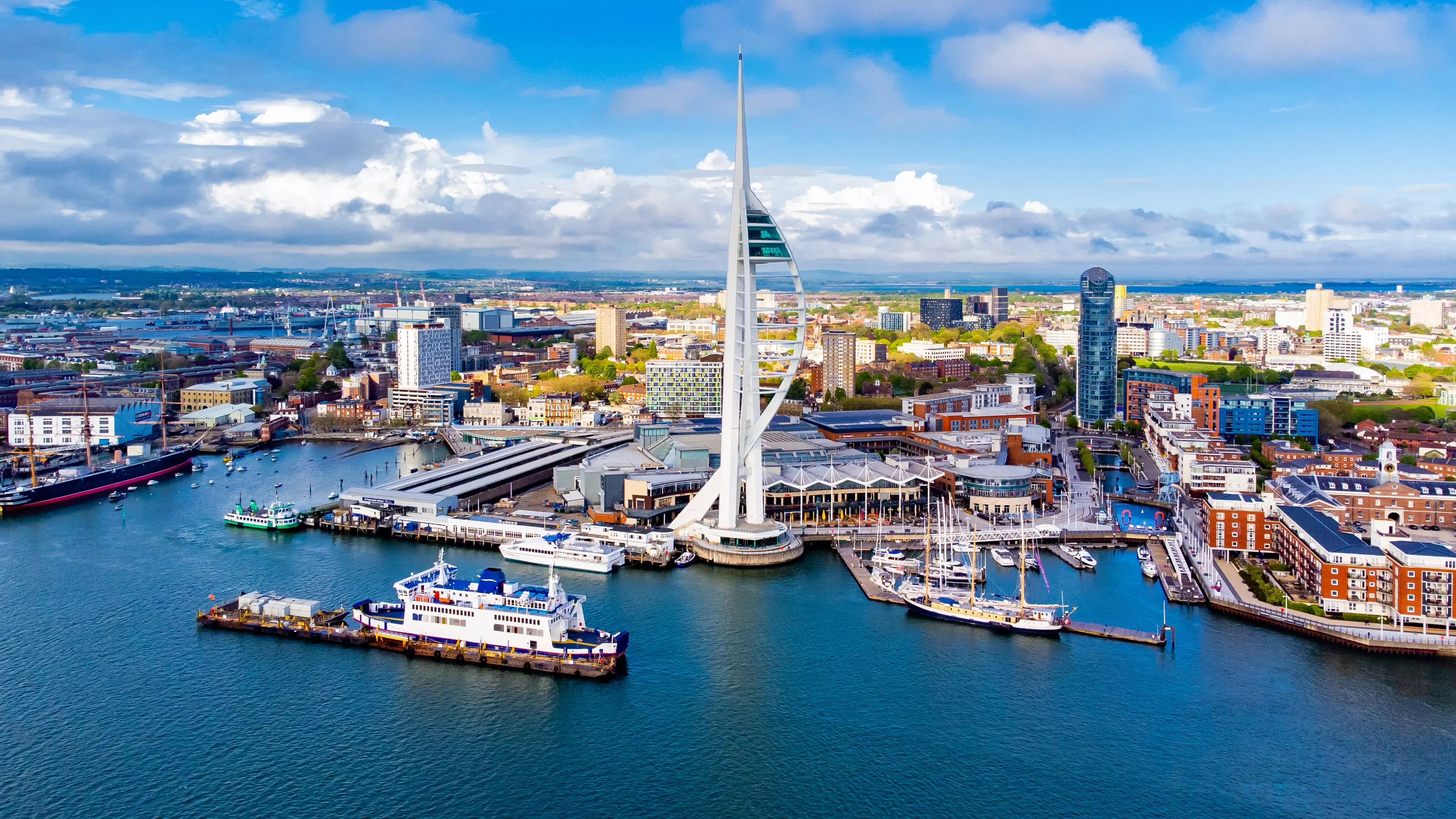
Steeped in naval history, Portsmouth blends seaside living with cultural identity. The city’s maritime heritage is impossible to miss, with landmarks like the Portsmouth Historic Dockyard, the Spinnaker Tower, and historic ships such as the HMS Victory and HMS Warrior on display. Southsea Castle and Southsea Pier also add to the city’s distinctively seaside character. But Portsmouth is far more than a historical port. Today, the city is abuzz with Hindu, Sikh, Buddhist, Muslim, and Jewish communities, with over 100 languages spoken locally.
Festivals are a major part of cultural life in Portsmouth. Victorious Festival brings big names to the seafront each summer, while smaller, community-led events like the Southsea Food Festival and Kite Festival keep culture alive and accessible throughout the year.
Creativity also plays an important role in the local economy, too, with around 8.6% of the workforce employed in creative industries. Independent culture thrives in places like Southsea, where vintage shops, independent cafes, and grassroots venues, like the Wedgewood Rooms, give the city an edge.
Alongside its cultural venues, events, and historical landmarks, Portsmouth’s enviable location is hard to beat. As the UK’s only island city, it’s surrounded by the sea and beautiful beaches, and the nearby New Forest is within easy reach, too. Social life spills into the outdoors here, fostering a culture that feels open, informal, and community-led.
24. Coventry, England
Cultural calendar highlights: Godiva Festival (dates TBC), MotoFest Coventry (6th & 7th June 2026), Coventry Cathedral Spring Festival (9th March - 26th April 2026), Coventry Festival of Books (11th & 12th July 2026), Could Be Real Tribute Festival (29th May 2026)
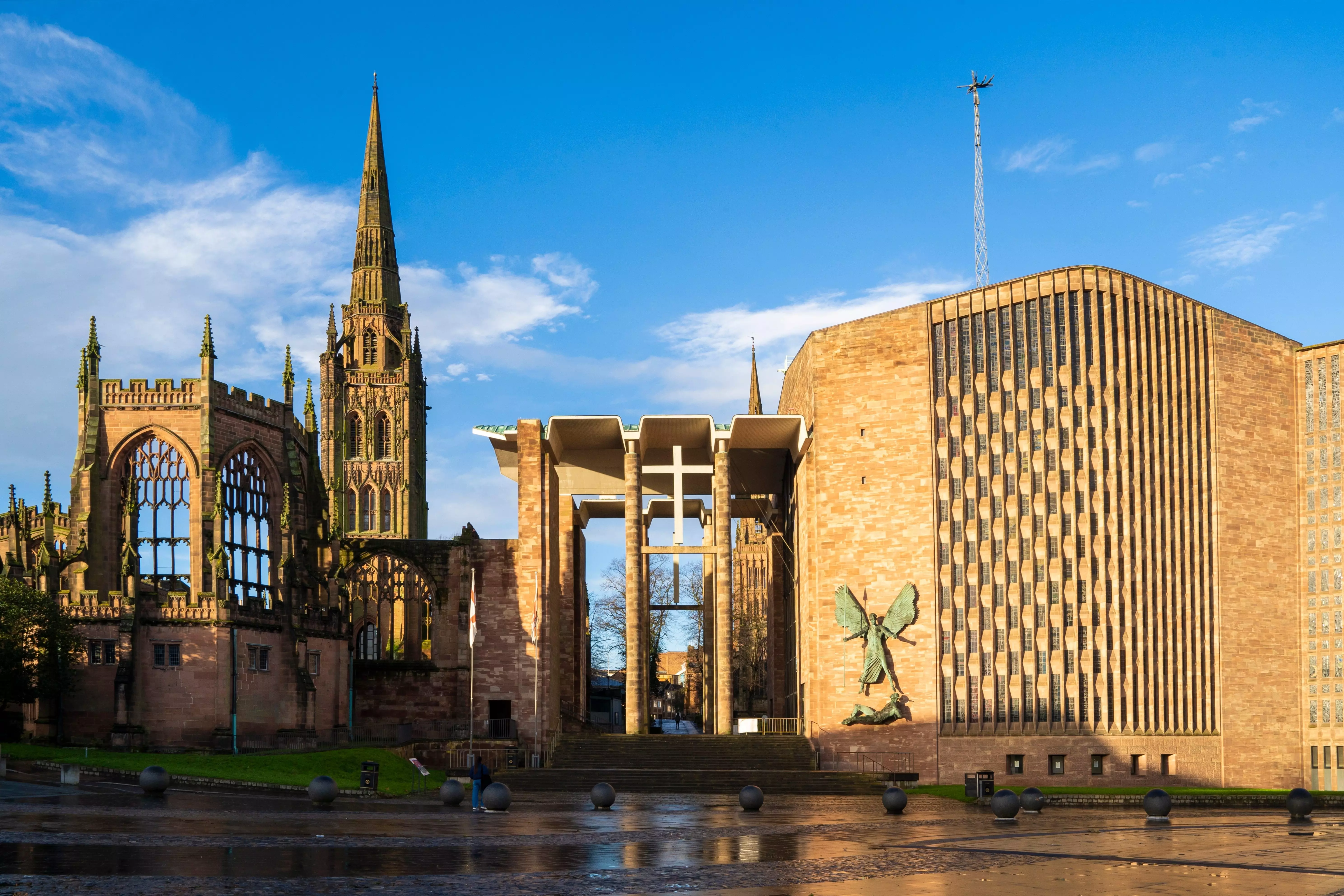
Once a powerhouse of industry, Coventry has evolved into a city driven by resilience, community, and creativity. Its automotive history still shapes the city’s identity – with major employers like Jaguar Land Rover, Aston Martin and Rolls-Royce – but Coventry is just as defined by its cultural revival following its title of City of Culture 2021. The accolade brought major investment in the arts and culture, and it has left a lasting impression on community-led initiatives.
Music venue hmv Empire put Coventry on the map for touring artists, while the Warwick Arts Centre encourages accessibility to the arts and entertainment for Coventrians. The esteemed Belgrade Theatre has long been a pioneer in Coventry’s creative scene, establishing Theatre in Education in 1965, and the programmes are still used nationwide.
Coventry is also one of the UK’s most diverse cities. According to 4the 2021 Census, 44.7% of the population identify as non-British, contributing to a vibrant cultural mix where over 150 languages are spoken locally. This is reflected in the food scene. Far Gosford Street is a hub of Turkish, Caribbean, South Indian, and West African spots. There’s a growing number of Korean, Japanese, Cantonese, and Vietnamese restaurants, too, influenced by the city’s student population.
Independent culture in Coventry thrives at FarGo Village, an artistically re-purposed creative space that champions local makers, small businesses, restaurants, and artists. The space also holds regular events, from makers markets to jazz jam sessions.
23. Swansea, Wales
Cultural calendar highlights: Swansea Fringe (November 2026), Swansea International Jazz Festival (3rd - 6th September 2026), Wales Airshow (25th & 26th July 2026), Waterfront Winterland Festival (21st November 2026 - 4th January 2027), Swansea Food & Drink Festival (27th - 29th March 2026)
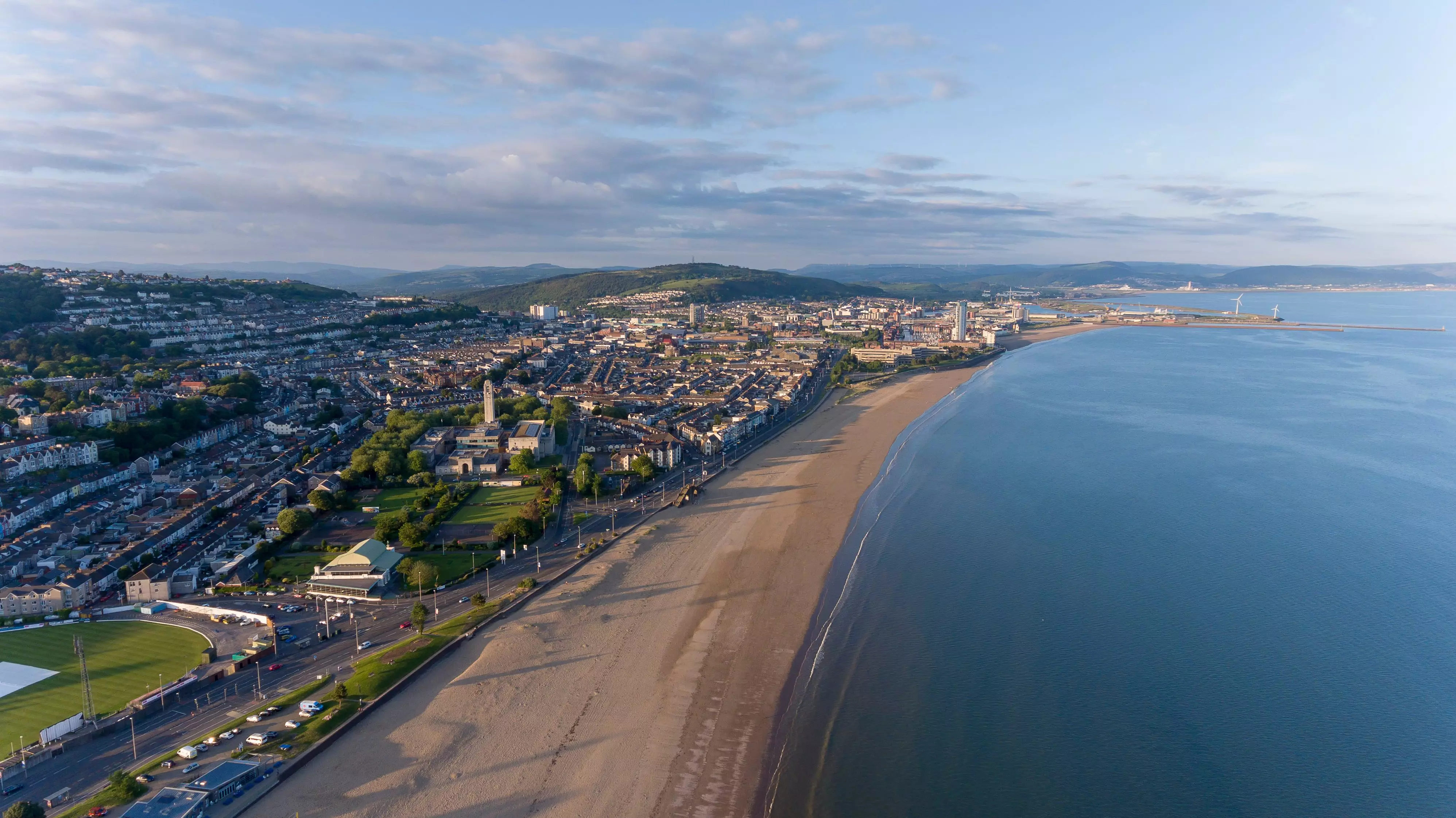
Set on Wales’ beautiful south coast, Swansea is a blend of enduring maritime heritage, strong community ties, creative energy, and diversity and inclusion. Known as the birthplace of Dylan Thomas, the city has long been associated with literature and the arts, and that legacy lives on with grassroots music venues and creative outlet spaces.
Cultural infrastructure spans both major institutions and landmarks, like Swansea Museum and the city’s marina, and grassroots venues. Theatres like the Swansea Grand Theatre and Swansea Arena bring touring productions and large-scale events, while independent spaces such as Elysium Gallery and the Bunkhouse support local artists and live music. The Scene is another beloved music venue, putting on events 7 days a week. The Elysium also hosts regular participation events, like life drawing classes on Wednesdays.
Community intertwined with everyday culture is central to Swansea’s identity. The Swansea Indoor Market is one of the largest in Wales and a longstanding social hub for independent traders and producers, while regular outdoor markets and park events are family-friendly, informal gathering spaces for locals. There are also around 17 libraries in Swansea – one being Y Storfa, a library meets community hub for health and wellbeing activities and events.
The city’s community spirit is also shaped by its diverse communities. C3 Centre for Creativity and Culture amplifies migrant voices through writing, film, and performances, while cultural festivals such as Eid, Diwali, and Lunar New Year are celebrated with fervour. Eid in the Park is a major community-wide event, the Welsh Islamic Cultural Association (WICAS) hosts Ramadan Iftars, and the Swansea Hindu Society organises the annual Diwali Ball.
22. Leeds, England
Cultural calendar highlights: Leeds Festival (27th - 20th August 2026), Leeds West Indian Carnival (24th August 2026), Leeds International Film Festival (5th - 22nd November 2026), Light Night Leeds (28th & 29th October 2026), Leeds Lit Fest (6th - 14th June 2026), Live at Leeds in the Park (back in 2027), Leeds Jazz Festival (21st - 25th May 2026), Photo North Festivl (13th - 15th March 2026)
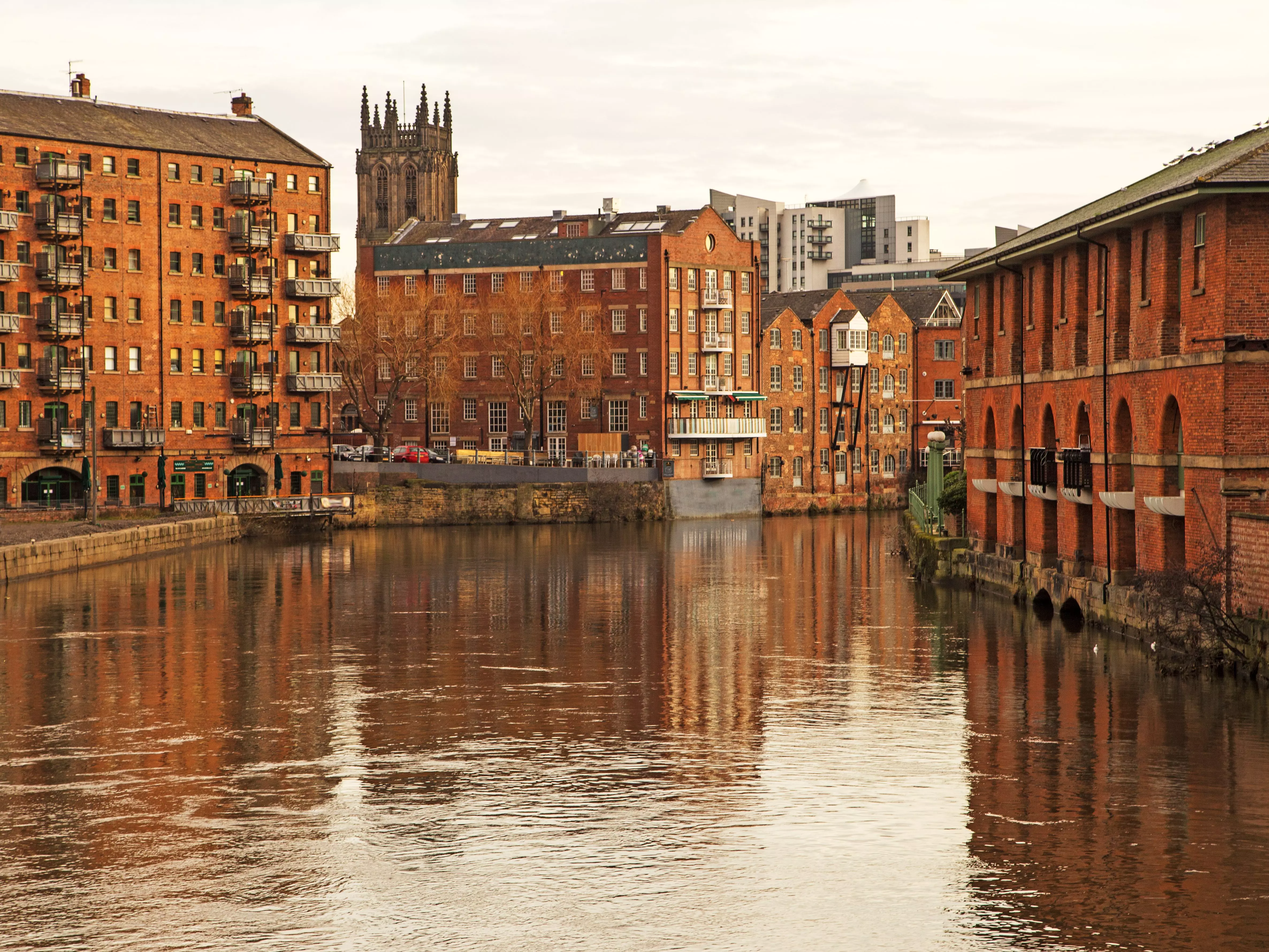
One of the UK’s most culturally active cities, Leeds blends historic wealth with a thriving grassroots creative scene. Grand civic buildings like the town hall and historic theatres like Hyde Picture House and Leeds Grand Theatre reflect the city’s past, while today Leeds is considered one of the UK’s best cities for grassroots music venues and independent culture. The vibrancy comes to life in the city centre, where projects like ‘A City Less Grey’ have brought more murals and street art to Leeds.
Cultural infrastructure here is accessible and extensive, with around 10 museums, 35 libraries, and a wide range of theatres and live music venues. Community projects are a big part of the cultural identity in Leeds; the Leeds Library hosts regular events and book clubs, local theatre makers and amateur companies thrive at Carriageworks Theatre, the community-led Holbeck has a regular programme of projects and performances, and much more.
Leeds is also a hub of multicultural diversity. Community organisations such as the Leeds Caribbean and African Centre and the Sikh Centre are invaluable for cultural engagement and preservation, while the South Asian Arts-uk (SSA-uk) is a charity promoting Indian dance, art, performances, and education. Areas like Harehills are known for their multicultural high streets, while Chapel Allerton champions creativity and independent businesses with local markets and art festivals.
Food culture is a cornerstone of Leeds’ identity. Kirkgate Market is one of the biggest indoor markets in Europe, with street food vendors serving a range of international cuisines. It’s also a hub of longstanding independent traders, including butchers, fishmongers, greengrocers, and more.
21. Nottingham, England
Cultural calendar highlights: Nottingham Goose Fair (dates TBC), Hockley Hustle (25th October 2026, Nottingham Poetry Festival (dates TBC), Splendour Festival (18th & 19th July 2026), Nottingham International Market (15th - 19th April 2026), Ay-Up Market (27th - 29th March 2026)
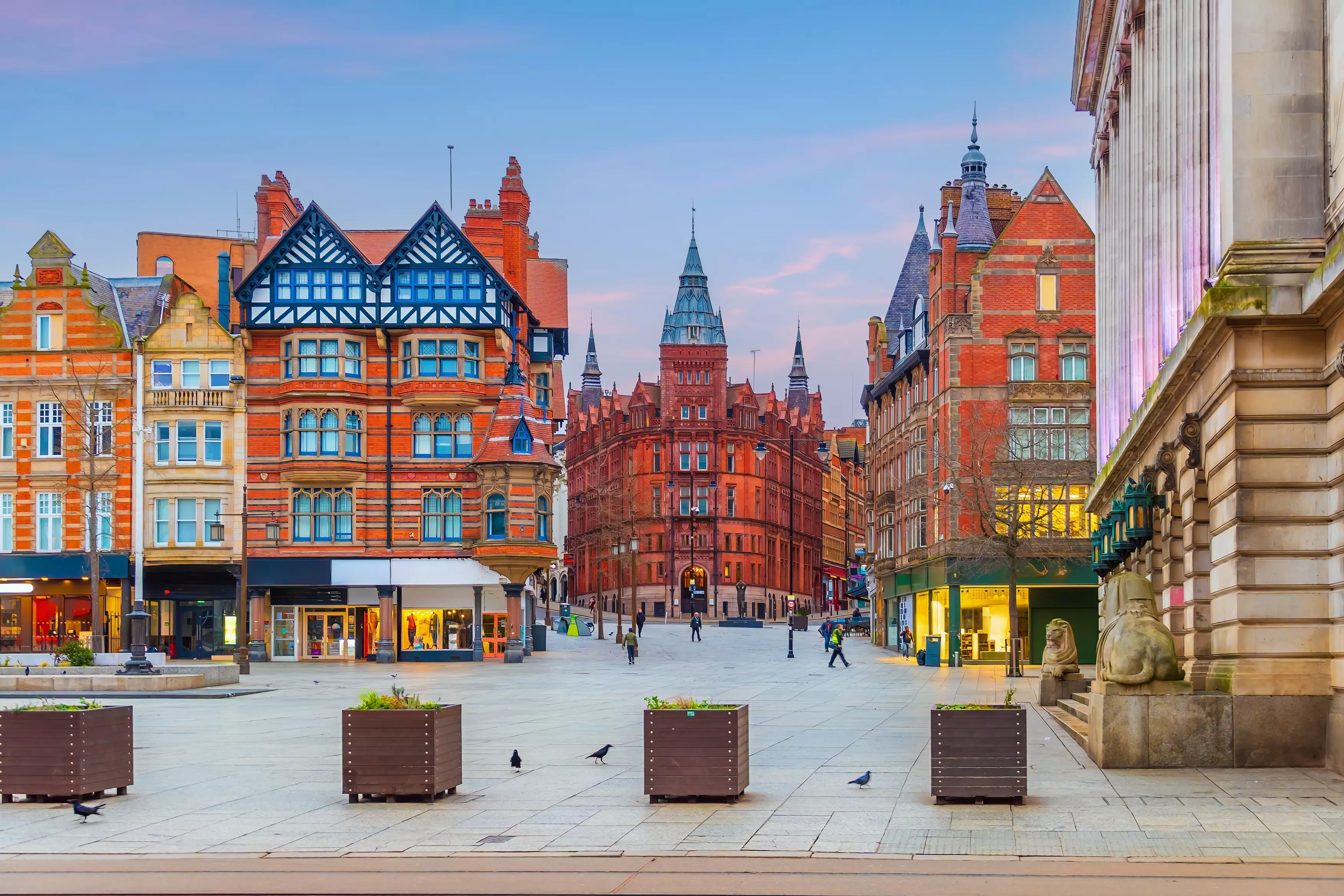
Creative, diverse, and community-driven, Nottingham has built one of the UK’s most well-rounded cultural scenes. With over 120 languages and a strong network of community organisations, this Midlands city has a strong cultural identity.
The arts go beyond institutions and museums here. The New Art Exchange is the UK’s largest gallery promoting contemporary visual arts from the Global Ethnic Majority, and its projects support communities across the city. Beyond the Wall, for example, is a mural project in multicultural Hyson Green. It’s not just about adding colour to the streets, it celebrates local people and stories. Nottingham Contemporary – one of the UK’s largest contemporary galleries – sits alongside this, while smaller creative hubs, like Nottingham Society of Artists, ensure culture is accessible.
Diversity is championed every day in Nottingham, with community groups like the Indian Community Centre, Ukrainian Cultural Centre, and Pakistan Centre hosting regular events and activities. But Notts also goes big for cultural festivals. Eid in the Park, Nottingham Carnival Parade, Diwali celebrations at Nottingham Castle, and the Lunar New Year Gala hosted by Lakeside Arts are big annual calendar highlights.
Considered one of the best cities in the country for grassroots music, with a strong appetite for live music, even weeknights have programmes full of gigs. While venues like the Motorpoint Arena and the beautiful Royal Concert Hall bring touring artists to the city, the legendary Rock City and the Bodega are beloved independent venues. While music venues are closing down nationwide, Nottingham’s grassroots scene is thriving.
Culture is embedded in everyday life here. There are 15 libraries in the city which act as intergenerational social hubs, with craft groups, language sessions, and games clubs, while independent businesses thrive in areas like Sherwood, Hockley & The Lace Market, and Sneinton Market. And the Ay-Up Market (March 2026) – an annual market championing Nottingham-based creatives and producers – is a reflection of how independent culture flourishes here.
20. Southampton, England
Cultural calendar highlights: Southampton International Boat Show (18th - 27th September 2026), Southampton Pride (29th & 30th August 2026), Wickham Festival (30th July - 2nd August 2026), Southampton Fringe (back in 2027), Southampton Mela Festival (18th & 19th July 2026), Let’s Rock Southampton (6th June 2026)
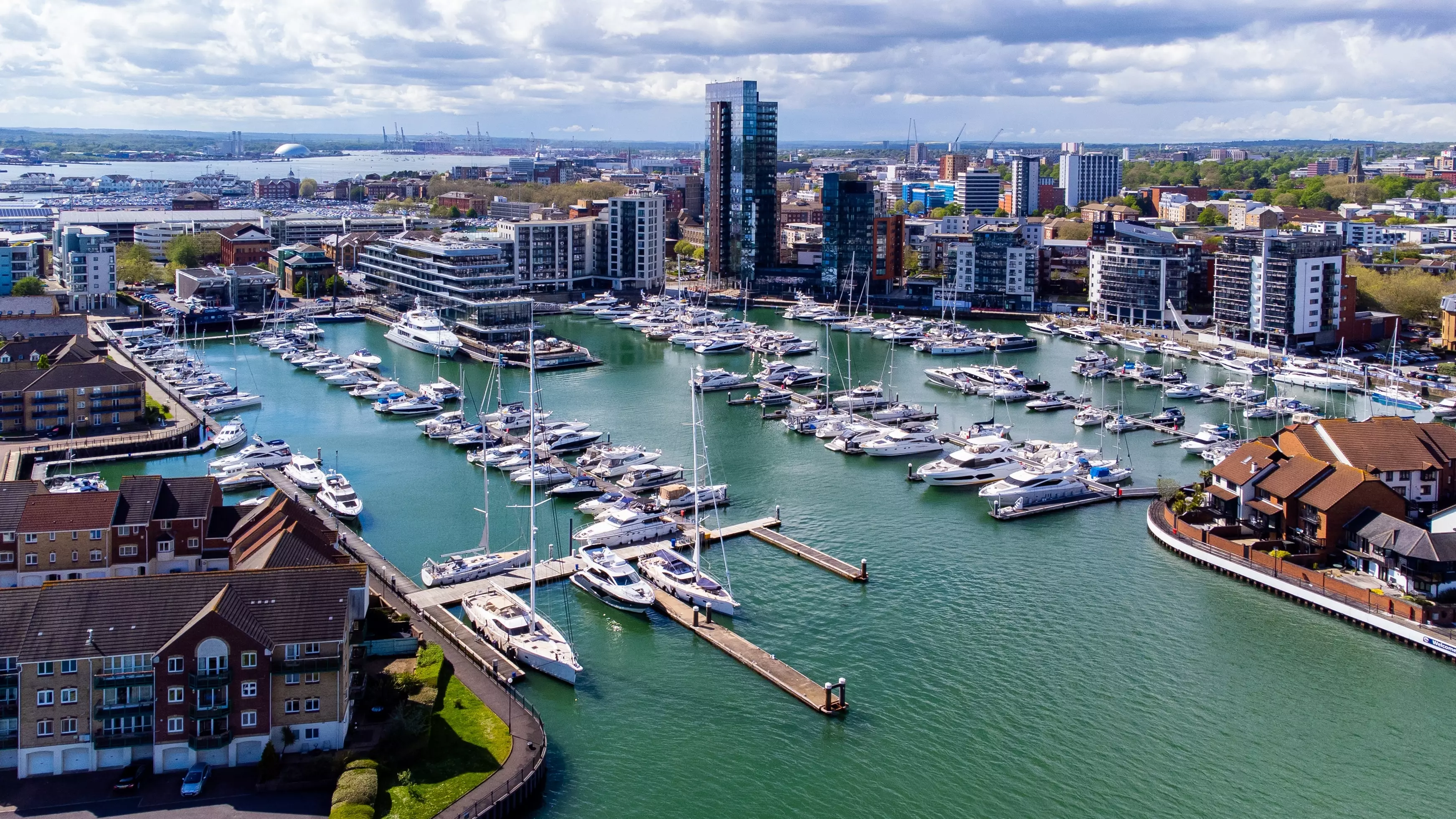
Set on England’s south coast, Southampton is a city where maritime history and global connections have shaped it into a diverse, energetic place to live. Long associated with the Titanic’s departure from Southampton, its position as a major international port has brought people – and culture – from across the world to the city. Today, with over 100 languages spoken, that global influence is reflected in Southampton’s food, festivals, and community life.
Festivals are at the heart of Southampton’s cultural identity. Between large-scale events like the iconic Boat Show, joyful festivals like Mela, and BBAM (Black Business, Art and Musical Festival), the calendar is packed year-round. Literary culture is on the rise too, with events like Coastal Crime Fiction Festival and ArtfulScribe LitFest adding to the city’s growing underground creative scene.
Creative industries account for around 8.6% of the workforce, supported by continued investment in arts and culture following the city being shortlisted for the UK City of Culture 2025. The Cultural Quarter anchors this, home to the Southampton City Art Gallery and Mayflower Theatre, but it also hosts multicultural celebrations and events that bring the city together.
Culture also lives in the smaller, independent venues, like the Joiners, which is now protected through community ownership, and the Hobbit and Dancing Man Brewery. Projects like Multi-Stories at Westquay also keep the grassroots scene alive, turning a car park into canvases for public art, while the Stage Door offers cabaret, drag and alternative comedy in an intimate setting.
Southampton’s neighbourhoods carry that same energy. Bedford Place and Oxford Street are hubs for independent eateries, while pop-ups, markets, and festivals spill out into the space, like the Bedford Place Summer Festival.
19. Birmingham, England
Cultural calendar highlights: Birmingham Weekender (29th - 31st August 2026), Mostly Jazz, Funk & Soul Festival (10th - 12th July 2026), Supersonic Festival (25th & 26th April 2026), Flatpack Festival (8th - 16th May 2026), Birmingham Literature Festival (8th - 12th October 2026)
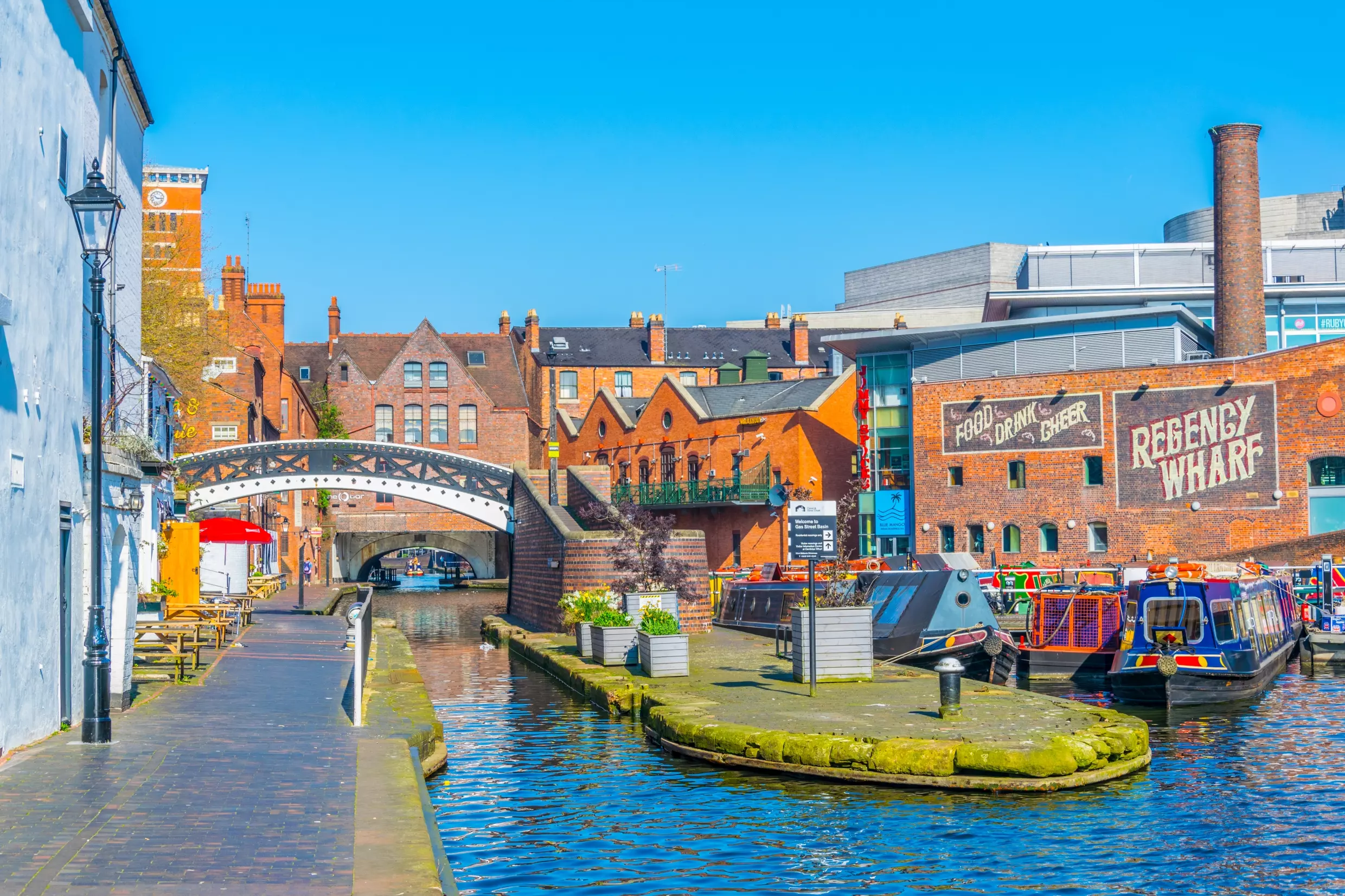
Birmingham is big and bold, with a culture to match. Its people just as much shape the city’s identity as its industrial revolution heritage. Once known as the ‘city of a thousand trades’, factories in areas like Digbeth and the Jewellery Quarter have been repurposed to become cultural hubs and creative spaces.
Birmingham is one of the UK’s ‘super diverse’ cities, where 51% of the population is from Black, Asian, or other minority ethnic groups. And with over 160 languages spoken here, you’ll hear anything from Mandarin to Maltese. Diversity is a huge source of pride here – the city is built by people, stories, cultures, and traditions from around the world.
Cultural infrastructure here is vast. With 16 museums, 37 libraries, and more than 20 theatres and live venues, you could fill every night of the week here with something different. Between grassroots productions at the Custard Factory, catching musicals and plays at the Crescent Theatre, and comedy nights at the Glee Club, there’s culture at every level. Poetry nights, open mics, and improv classes – including those at the iconic Faraway Theatre – encourage participation too. The Midlands Art Centre (MAC) is at the heart of it all, championing creativity and independent productions with workshops, live shows, an indie cinema, creative courses, and more.
Festivals and community celebrations are central to Birmingham’s cultural life. From St. Patrick’s Day parades in Digbeth to Eid in Small Heath Park, as well as Diwali, Lunar New Year, and events like MotionCity, a Latin festival, the city’s calendar reflects its global communities.
Food is another winner for Birmingham. Head to Sparkbrook, often dubbed ‘Little India’, for some of the best South Asian food in the UK, while areas like Kings’ Road and Digbeth have a thriving independent dining scene. Investment in Digbeth’s film, media and TV scene is also driving the city forward, with support from Create Central.
18. Bath, England
Cultural calendar highlights: The Bath Festival (30th May - 7th June 2026), Bath Children’s Literature Festival (25th September - 4th October 2026), Bath Litetature Festival (16th - 24th May 2026), Jane Austen Festival (11th - 20th September 2026), Bath Fringe Festival (23rd May - 8th June 2026), Bath Christmas Market (26th November - 13th December 2026)
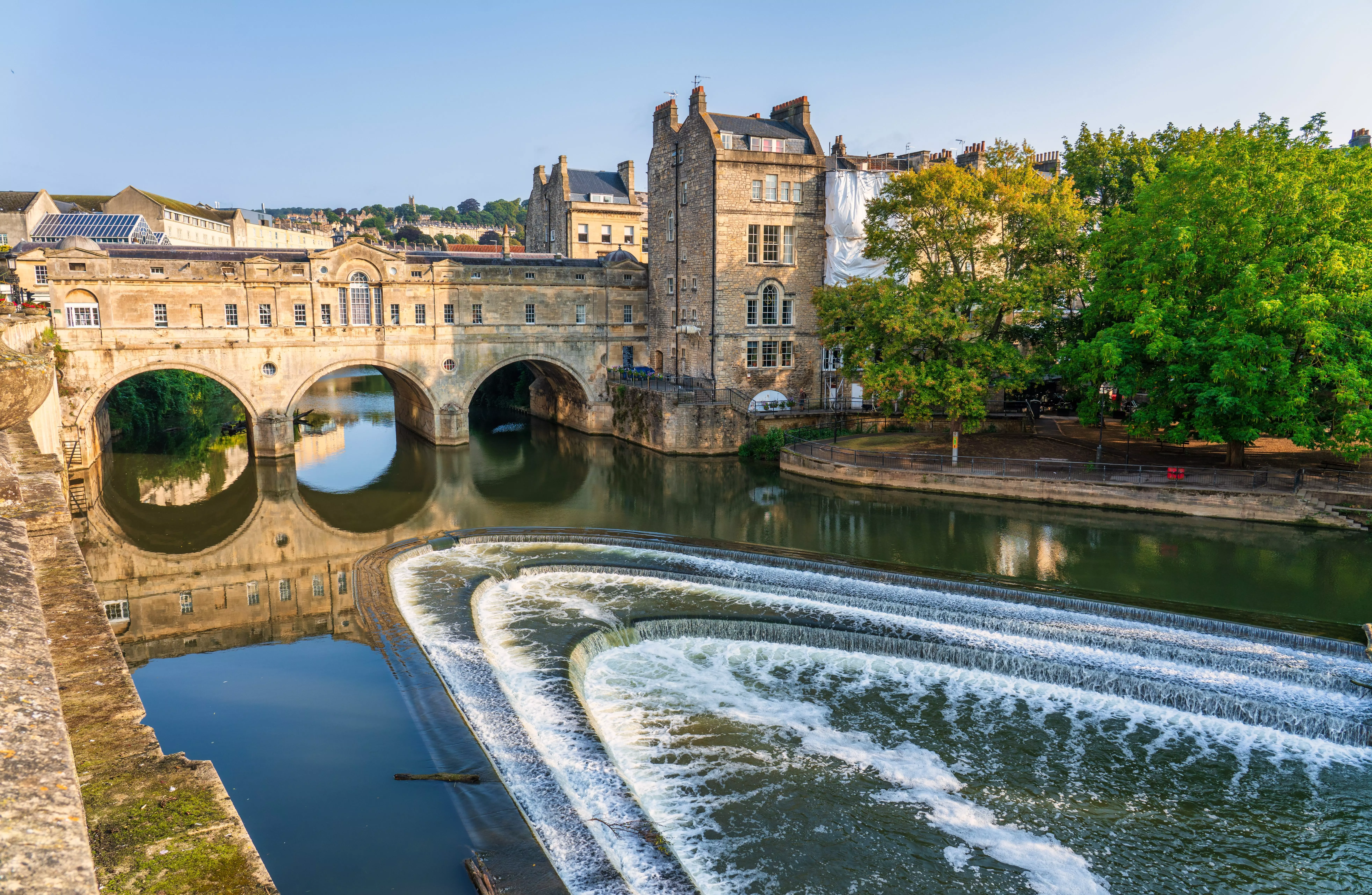
When it comes to packing a ton of culture into a compact, walkable city, Bath is hard to beat. It offers the cultural density of a much bigger city, with major landmarks like the Roman Baths, Bath Abbey, and Pulteney Bridge as the backdrop to local life.
The entire city is a UNESCO World Heritage Site, meaning Bath’s residents are literally living among history. Casual walks are framed by Georgian architecture, like the Circus and the Royal Crescent, and ancient Roman sites. While they might draw tourist crowds on the weekends, on weekdays they’re a part of everyday life.
Creativity has long been at the heart of Bath’s identity. As the home of Jane Austen, Bath celebrates its literary legacy with annual book festivals, from the Bath Literature Festival to the Literary Escape Festival, which focuses on independent authors and businesses. Indie culture runs alongside this – relaxed street busking rules bring live music to the streets, while the Artisan Market showcases local producers.
Per capita, Bath punches well above its weight. There are 4.7 museums, 5.2 libraries, and 9.3 theatres and live venues per capita, and with that density of creativity and the arts comes a thriving performing arts scene. The Rondo Theatre champions emerging theatre companies, while local performers play at the Bell Inn. And Burdall’s Yard is the definition of a ‘third space’ – there’s yoga, live music performances, dance classes, events like ‘connection cafe’, and even stained glass workshops.
17. Dundee, Scotland
Cultural calendar highlights: Dundee Science Festival (February 2027), Dundee Book Festival (19th - 21st June 2026), Dundee Mountain Film Festival (20th & 21st November 2026), Dundee Flower and Food Festival (September 2026), NEoN Digital Arts Festival (dates TBC), Dundee Fringe (11th - 20th September 2026)
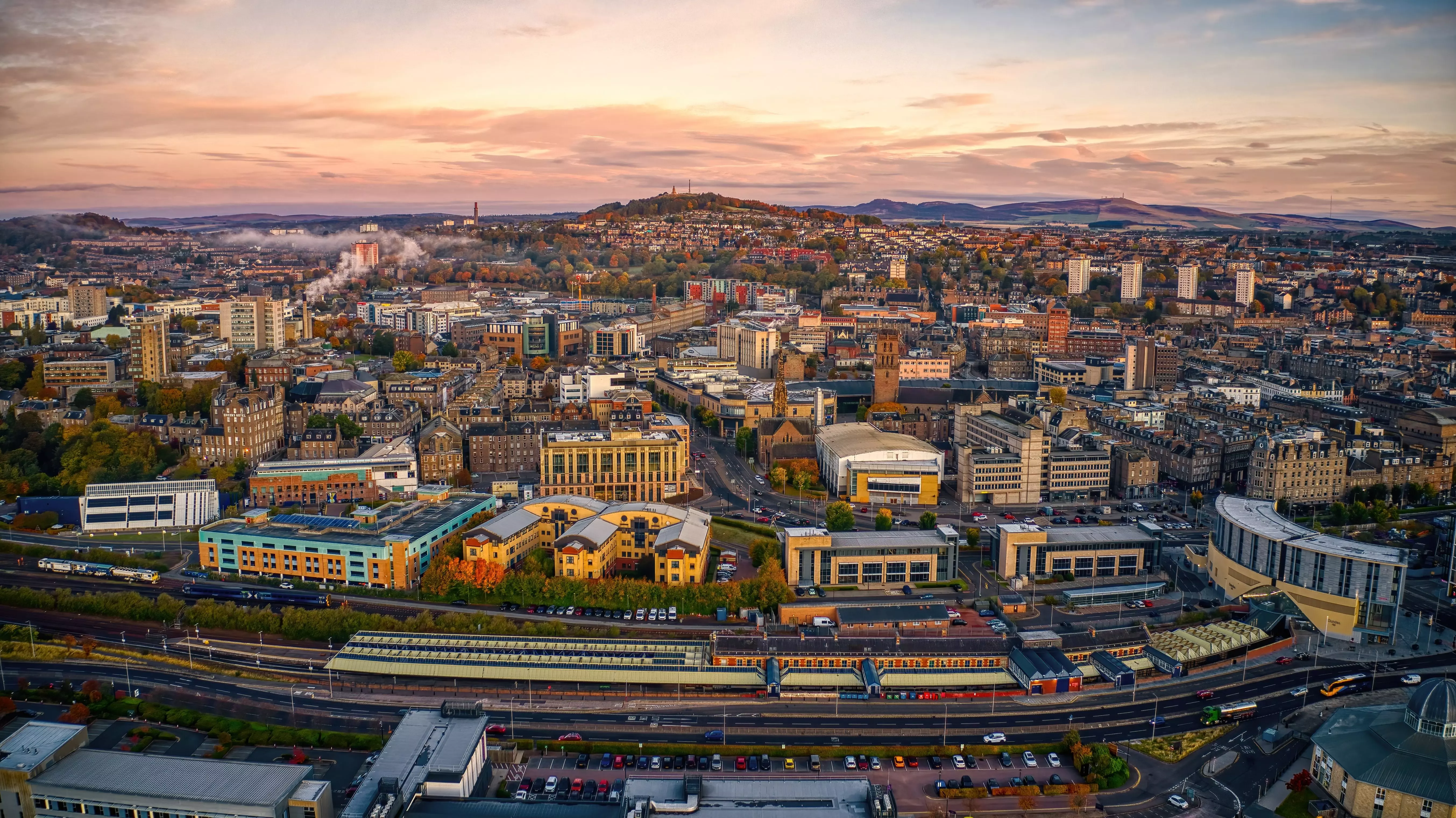
Once a city defined by mills and industry, Dundee has reinvented itself as one of the UK’s most exciting creative cities. Compact and walkable, it offers a cultural scene that feels accessible yet tight-knit, driven by a new generation of creatives, designers, and digital industries.
The UNESCO City of Design accolade is at the heart of this transformation, and with that also came the first V&A outside of London. It sits on the revitalised waterfront, a symbol of the city’s status as a forward thinker in design. Festivals and events throughout the year encourage Dundee locals and visitors to get involved, too.
Dundee’s cultural calendar is also filling up with exciting events and festivals. The Dundee Fringe will return in 2026, the Dundee Book Festival is expanding after a successful debut in 2025, and the Dundee Design Festival plans to return in September 2027. New venues like CANVAS and LIVEHOUSE show that there’s an appetite for an alternative edge in Dundee, and the city shows no sign of slowing down. Bolstered by Dundee being one of the most affordable cities in the UK, it’s one of the most accessible cultural places to live.
16. Cambridge, England
Cultural calendar highlights: Cambridge Folk Festival (1st & 2nd August 2026), Cambridge Literary Festival (22nd - 26th April 2026), Cambridge Film Festival (22nd October - 1st November 2026), Strawberry Fair (6th June 2026), E-luminate Cambridge (16th March - 2nd April 2026)
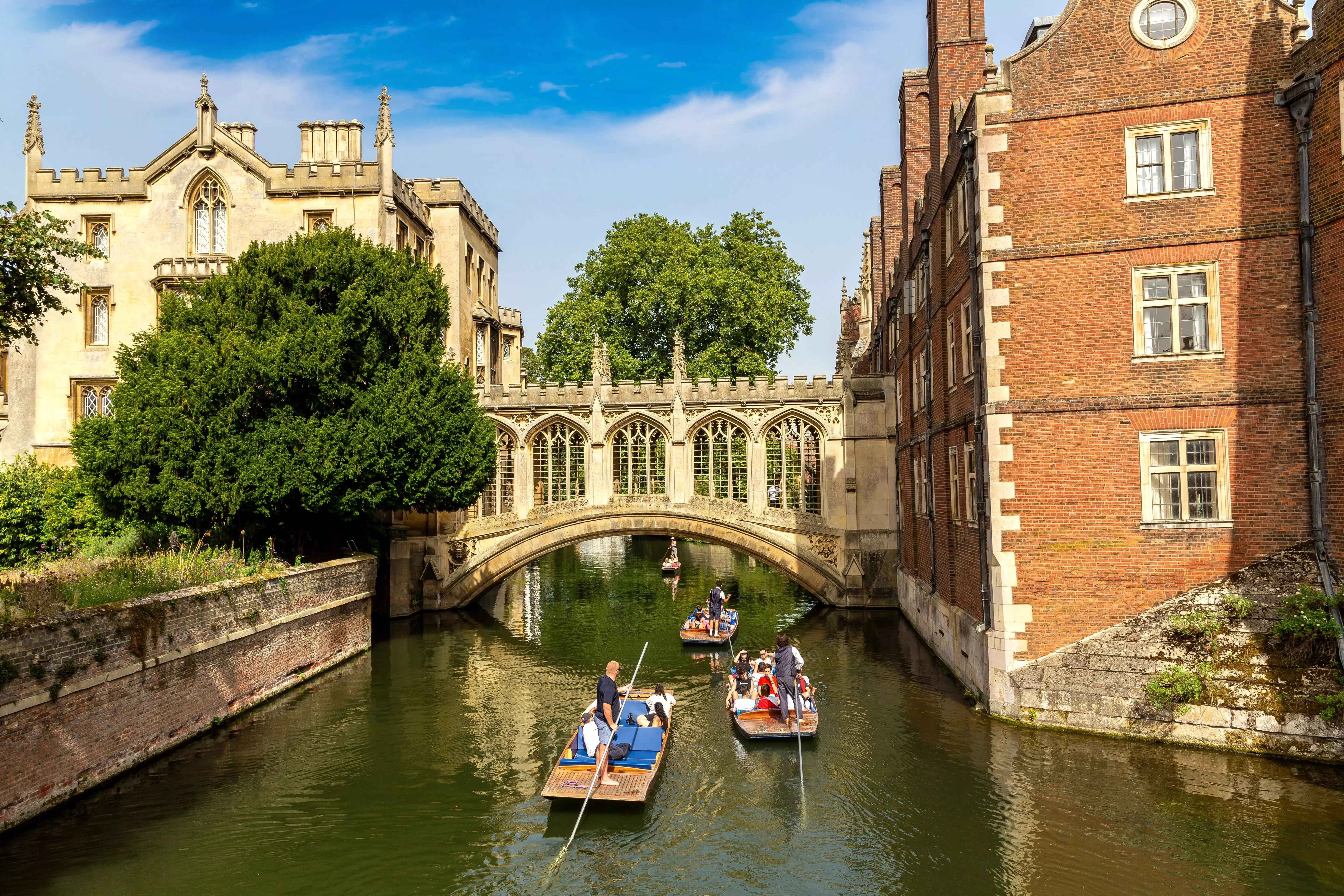
Set along the River Cam, Cambridge is often overshadowed by its university. But to live here is to experience a city deeply sociable, with the banks of the river, market squares, and green spaces as hangout spots. It’s also considered the Cycling Capital of the UK, with 80 miles of cycle lanes in and around the city.
With a population of 146,000, Cambridge has an impressive cultural density. There are 5.5 museums and 5.5 live venues per capita, where you’ll find both world-class institutions and amateur student productions. Historic venues like the ADC Theatre, the oldest university playhouse in the UK, and the Cambridge Arts Theatre keep a consistent rotation of theatre, dance and comedy in the city.
But Cambridge isn’t just academic. With 120 languages locally, it’s densely diverse. Areas like Mill Road are international hubs, with cafes, shops, and restaurants that reflect the city’s global population, beyond the university. Market Square brings together vendors selling everything from crafts to street food, and has been a long-running base for independent sellers in the city.
There’s also a quieter creative underground. Around 6.3% of the workforce are in creative industries, and while that’s often overlooked by academia, it contributes to a steady programme of festivals, events, and performances.
15. Newcastle, England
Cultural calendar highlights: Newcastle Festival of Jazz and Improvised Music (26th & 27th June 2026), Newcastle Pride (25th & 26th July 2026), NE1 Motor Show (1st & 2nd August 2026), Newcastle Mela (30th & 31st August 2026), North East International Film Festival (9th - 15th November 2026), Hoppings (19th - 18th June 2026)
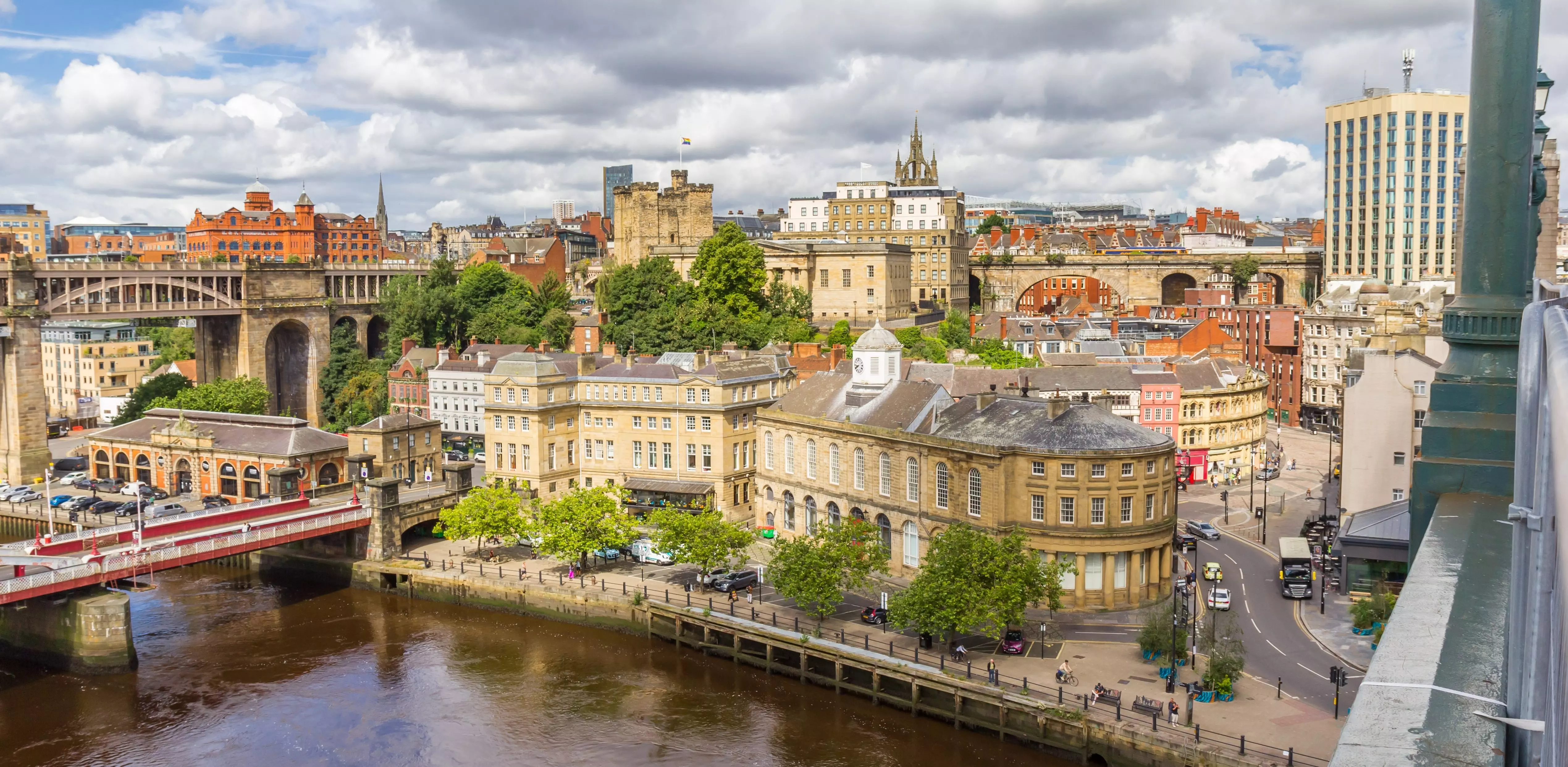
Between the coast and countryside, Newcastle is a city where culture feels social and unpretentious. Geordies are famously friendly, and that welcoming nature translates into the city’s cultural scene, making it one of the most welcoming places in the UK to get involved.
Newcastle’s nightlife scene is one of its greatest assets. The grassroots scene particularly thrives in Ouseburn Valley, a former industrial area turned creative corner, where indie venues like the Cluny, the Tyne Bar, and Little Buildings support a pipeline of emerging talent. It’s affordable and community-led, inclusive for both performers and punters.
There’s depth beyond the independent scene, too. With 3.6 live venues and 5.2 libraries per capita, Newcastle’s cultural infrastructure is both historic and modern. Institutions like the striking Glasshouse International Centre for Music (formerly Sage Gateshead) bring world-class music to the city, while Tyneside Cinema is the go-to for indie cinema and community screenings.
Accessibility makes Newcastle stand out. Whether it’s a mid-week gig or film screening, the city’s compact size and affordability help cultural events naturally slot into routines, rather than feeling like a planned event. There are regular free events, too, like the Newcastle Mela, a huge celebration of South Asian culture. Newcastle is ethnically diverse with over 100 languages spoken, but there’s a unified, strong sense of local identity: being Geordie.
14. Canterbury, England
Cultural calendar highlights: Canterbury Festival (16th - 31st October 2026), Canterbury’s Cooking (25th - 27th September 2026), Spring Beer & Cider Festival (22nd - 25th May 2026), Canterbury Medieval Pageant & Trail (4th July 2026), bOing! International Family Festival (29th & 30th July 2026)
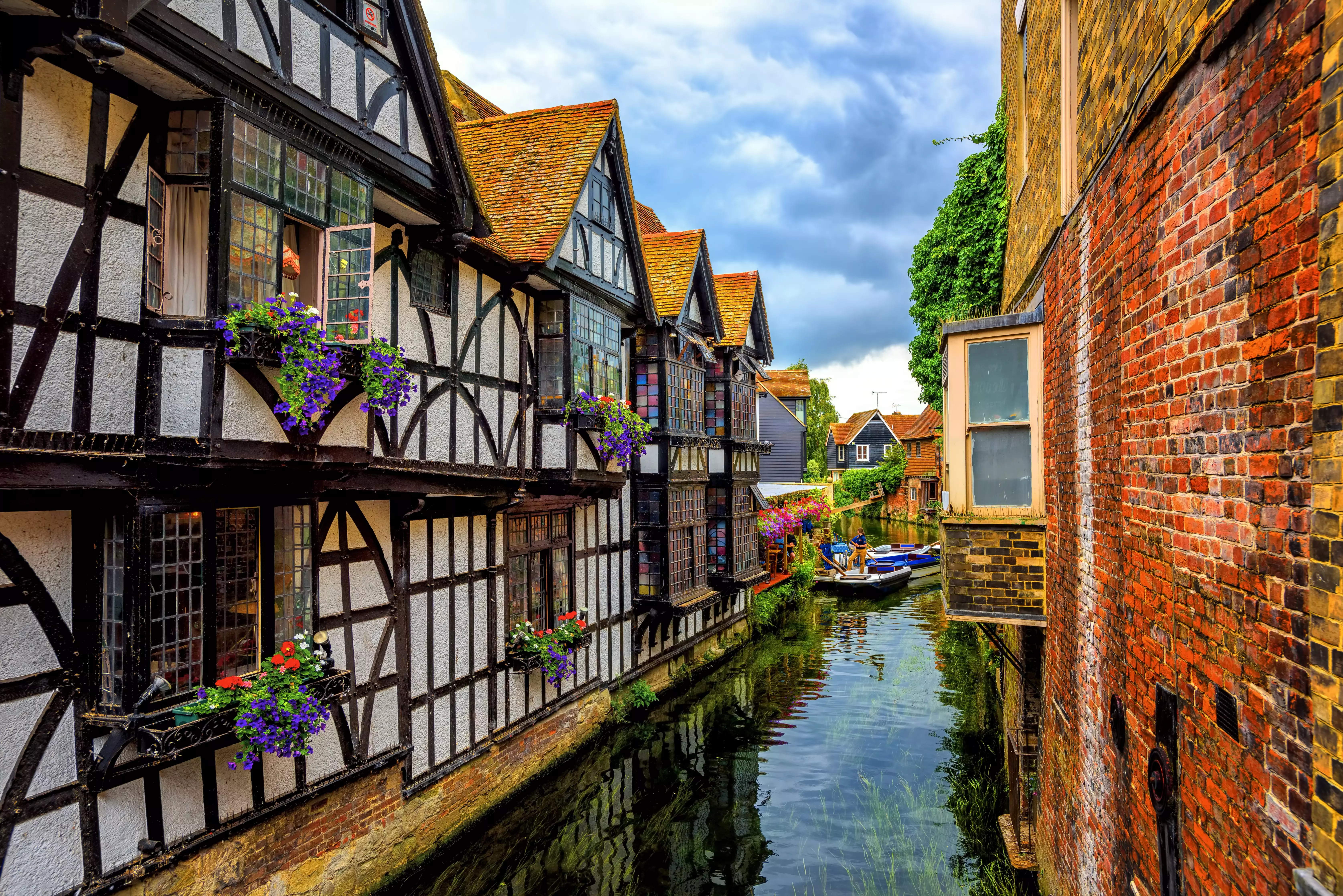
Canterbury’s history speaks for itself, from Chaucer’s Canterbury Tales to the Romanesque cathedral and the medieval Westgate Towers. This small, but culturally dense, city is more than a historic backdrop. Located around an hour from London by train, Canterbury has a thriving commuter community. Creativity is also a huge part of the local economy, accounting for 8.6% of the workforce.
The city centre feels like a time portal to Medieval times, with sites like St. Augustine’s Abbey and Greyfriars Chapel among timber-framed buildings. But while tourists are drawn to its postcard streets, Canterbury residents’ cultural life goes beyond the big-hitter attractions.
With a population of just 166,000, Canterbury packs a punch. Per capita, there are 3.6 museums, 6 libraries, and 3.6 live venues. Between the Marlowe Theatre, the Malthouse Theatre, and the smaller, more intimate Aphra and the Anselms Studio, the city is buzzing with talent. Students play a major role in the city’s cultural identity, too, with the on-campus Gulbenkian offering fringe theatre performances and workshops.
That student population keeps Canterbury feeling youthful and international. More than 90 languages are spoken locally – especially impressive considering its small population – and the food scene reflects that diversity. Independent culture continues to grow, too. The Goods Shed has a daily farmers’ market, Westgate Hall showcases local producers and artisan makers, and the King’s Mile is packed with quirky independent shops and cafes.
13. Liverpool, England
Cultural calendar highlights: Africa Oyé (20th & 21st June 2026), Liverpool Biennial of Contemporary Art (back in 2027), Sound City (2nd & 3rd May 2026), River of Light (23rd October - 1st November 2026), Liverpool Irish Festival (5th & 6th June 2026), Liverpool Arab Arts Festival (date TBC)
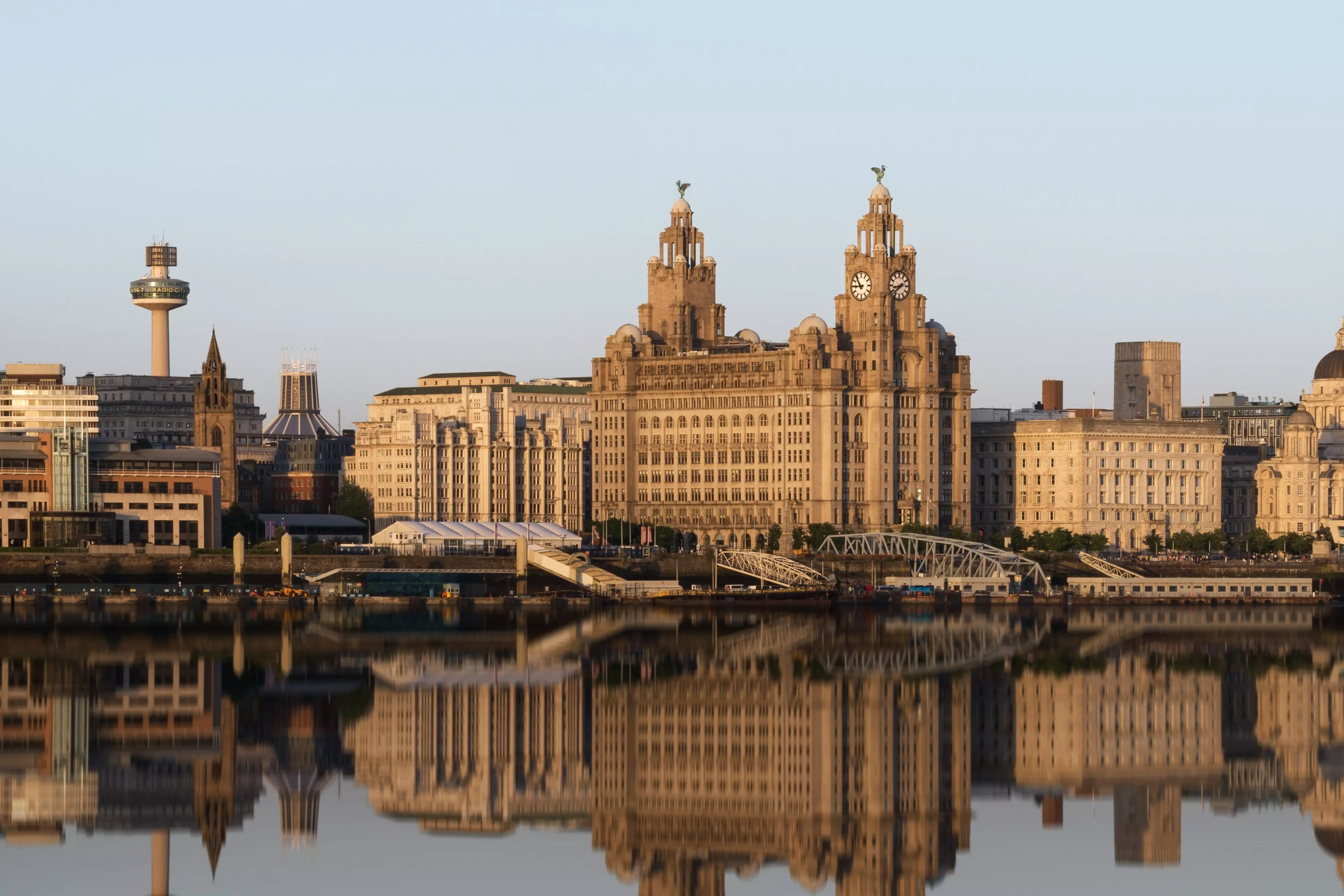
Few cities in the UK have shaped global culture like Liverpool. From football to fashion to music, Liverpool’s cultural capital exceeds its size. And between the 14 museums, 19 libraries, and 16 theatres and live venues, alongside landmarks like Philharmonic Hall, culture is firmly rooted in everyday life here.
Liverpool isn’t just known for its music – it helped to define it. And pop culture. Much of that global impact is down to the Beatles, whose legacy lives on in the city’s grassroots scene. Iconic venues, like the Cavern Club and the Jacaranda, where the Beatles played early gigs, are still going strong, while newer spots like Quarry and Sono host indie and jazz bands. The city is actively supporting its music scene – in January 2026, the council launched the Liverpool Grassroots Music Venues, which provides grants to support venues facing rising costs.
As a major port between the 18th and 20th centuries, Liverpool was a huge hub for international trade, travel and migration. The city is home to the UK’s oldest African community, Europe’s oldest Chinese community, and there’s a huge Irish population. Today, that migration legacy lives on. An estimated 75% of Liverpool’s population has some Irish ancestry, and Liverpool is proudly diverse and welcoming.
Liverpool also has one of the strongest local identities in the UK. A distinctive accent and sense of humour bond Scousers together, as well as a working-class ethos and shared ideologies. But that’s not exclusive to those born and raised here – the city is a shining example of how you can have a local identity while being welcoming to others. There’s a strong sense of community and belonging that makes people proud to live in this friendly city.
12. Cardiff, Wales
Cultural calendar highlights: Tafwyl (20th & 21st June 2026), Sŵn Festival (dates TBC), Cardiff International Food and Drink Festival (3rd - 5th June 2026), Cardiff Music City Festival (2nd - 17th October 2026), Pride Cymru (13th & 14th June 2026), Iris Prize Festival (12th - 18th October 2026)
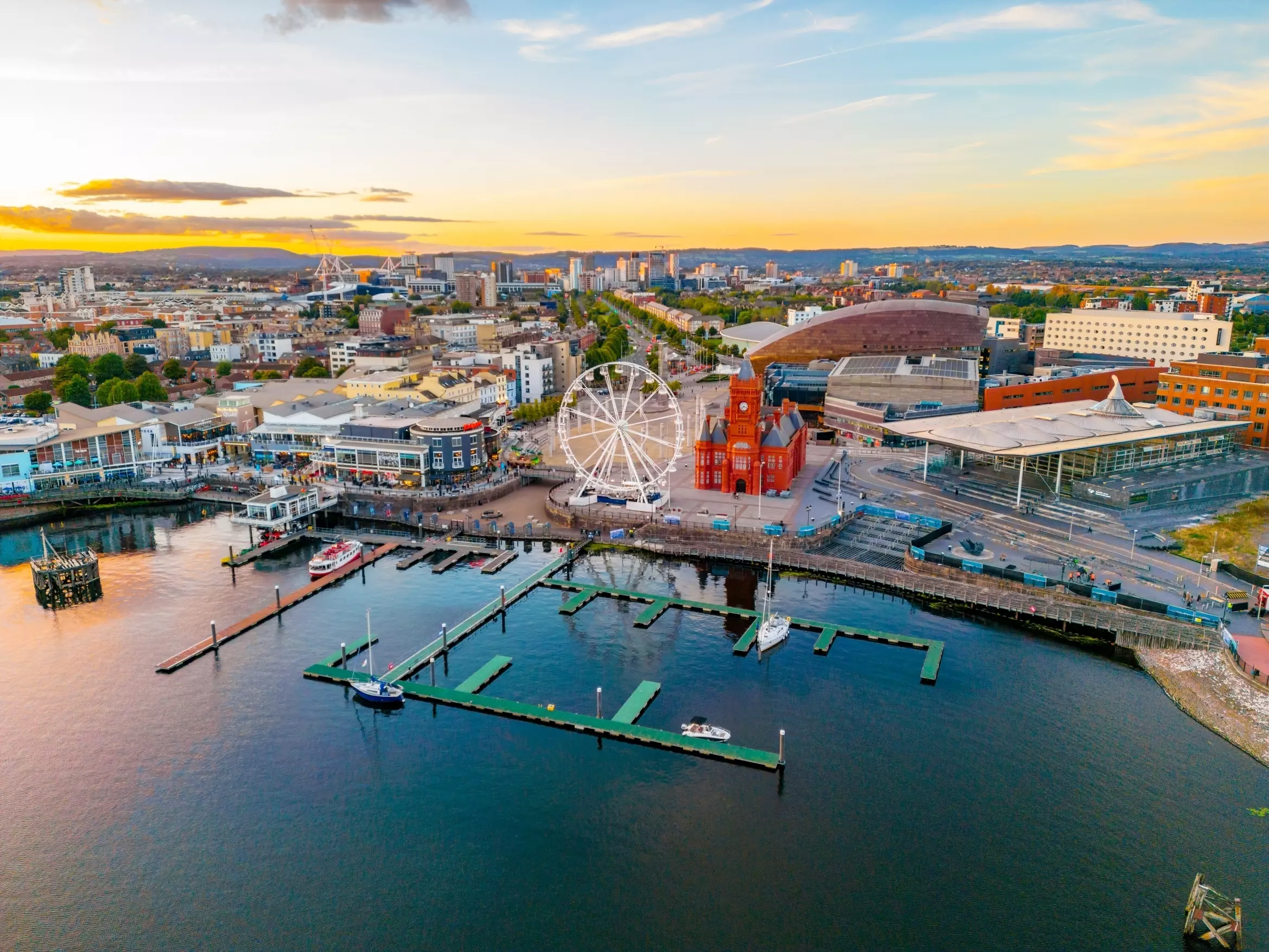
Cardiff manages to combine a big city energy with a welcoming, small-town feel. As the Welsh capital, Cardiff is the home of the country’s national institutions, hosts major events, and is the political and cultural epicentre. And it does this without the sprawling size that can be overwhelming. It’s compact and accessible, making it easier to navigate, get involved in local initiatives, and foster a community.
In Cardiff, culture is actively preserved. The Welsh language holds equal status, and over 12% of residents speak it. Its visibility on signage, in public services, and in media brings the preservation of the Welsh language into everyday life, and the Tafwyl festival celebrates this heritage. In areas like trendy Canton and leafy Pontcanna, Welsh is actively spoken in coffee shops, stores, and on the streets. Several community groups offer free Welsh language classes and conversation groups, including the Cardiff Central Library and the Daffodil Pub.
While Cardiff’s cultural identity is rooted in heritage, it also looks to the future, nurturing creativity and innovation. Creative jobs make up 5.3% of the workforce, supported by top-tier production companies, like Wolf Studios Wales, BBC Studios, and Seren Studios. The city is widely considered the third largest production hub in the UK, after London and Manchester.
Cardiff also has a thriving grassroots and independent scene. Music venues like the New Moon, Clwb Ifor Bach, and Porter’s foster local talent, while community-led events at spaces like the Chapter Arts Centre bring residents together. The city’s diversity adds another layer to its cultural richness. A growing international population – 115 languages are spoken locally – is reflected in the food scene and festivals, from Bluetown Carnival to Lunar New Year celebrations at Cardiff Bay. It’s not just about preserving culture in Cardiff, it’s also about supporting its evolution, shaped by the people who live here.
11. York, England
Cultural calendar highlights: JORVIK Viking Festival (back in February 2027); York Food & Drink Festival (18th - 27th September 2026), Aesthetica Film Festival (4th - 8th November 2026), York Literature Festival (28th February - 30th March 2026), York Early Music Festival (3rd - 11th July 2026)
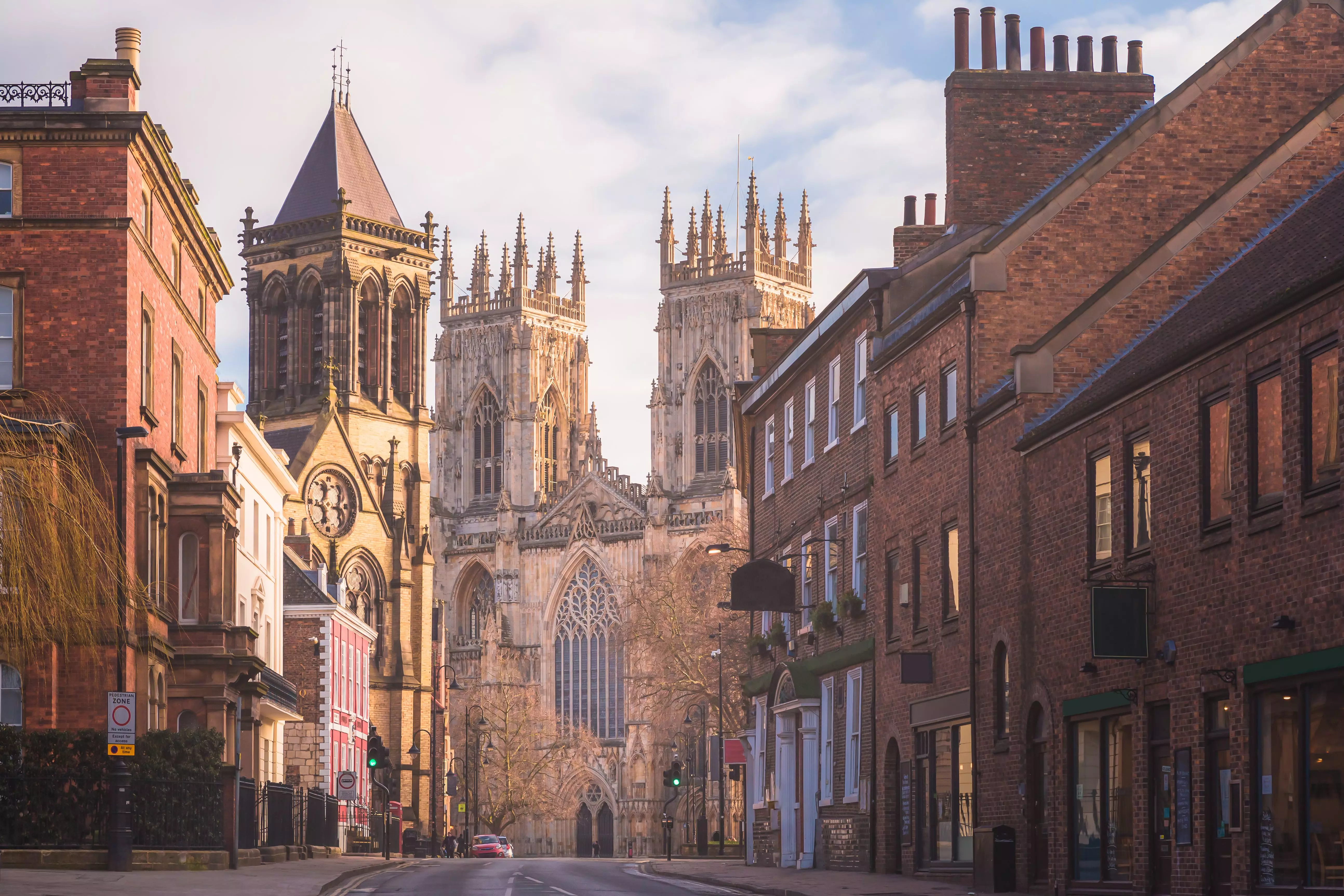
York is a living museum, with historic walls, streets, and buildings as the backdrop for daily life. Few cities in England are as beautifully preserved on this scale. York Minster is one of the finest examples of Gothic architecture in Northern Europe, while the Medieval walls are not just a historical landmark, but also a gathering space for walks, weekend drinks, and festivals, such as the York Walls Festival (August).
York is one of the most immersive historic places in the UK, but it isn’t stuck in the past. The tech sector is fast-growing, supported by the city’s ‘gigabit city’ status and digital infrastructure, and creative and digital industries are thriving. As a UNESCO Creative City of Media Arts, York is one of the UK’s emerging micro-creative capitals.
The city’s cultural identity is contemporary, too. Characterful old pubs, like Ye Olde Starre Inne and the Golden Fleece, sit alongside live music pubs like the Stone Roses Bar and the Fulford Arms. There’s an indie spirit to York, from the quirky shops and artisan cafes of Fossgate to the international independent eateries on Walmgate. From Yemeni to Polish cuisine, the city’s independent food scene reflects York’s diversity. And while the Shambles is iconic, York locals tend to avoid it on the weekends.
Festivals and events give the city a rhythm and energy throughout the year. Between the Viking Festival (February), which celebrates the city’s Viking past, the Yorkshire Craft Festival (April), the York Mystery Plays Festival (May), and the magical Christmas markets, residents' calendars are packed year-round.
10. Southwark, London, England
Cultural calendar highlights: London Bridge City Summer (summer 2026), Borough Market’s Apple Day (dates TBC), Borough Market’s Evening of Cheese (dates TBC), Totally Thames (1st - 30th September 2026), Southwark Festival of Words (dates TBC), Bankside Open Spaces Festival (dates TBC), London Design Festival at the Design Museum (12th - 20th September 2026)
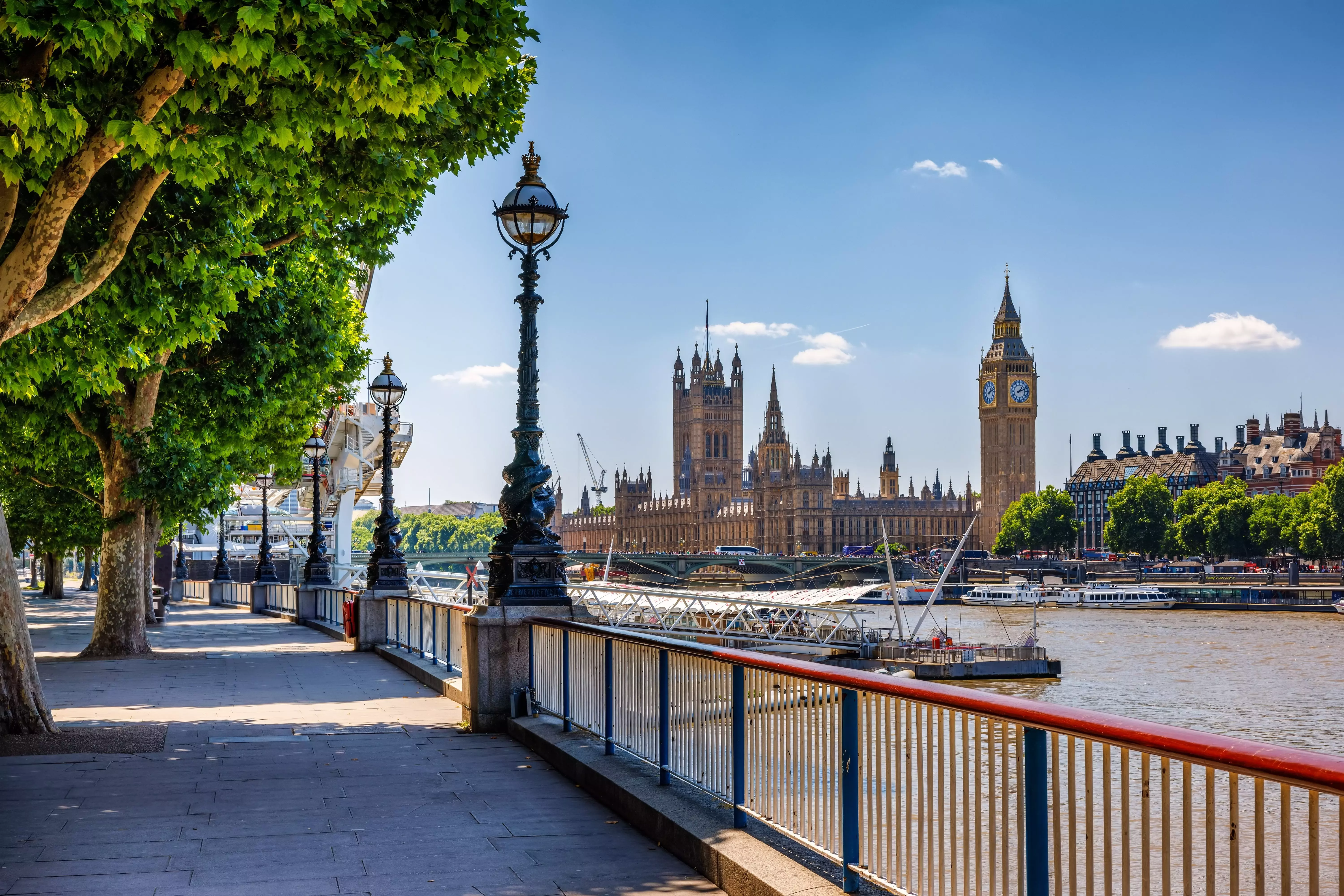
Southwark is one of London’s most buzzing boroughs, stretching from the South Bank to Elephant and Castle. While tourists are attracted to Shakespeare’s Globe, London Bridge, and Borough Market, Southwark locals spend their time at small theatres, picking up local produce at the Camberwell Farmers’ Market or eating arepas in E&C’s Latin Quarter.
Few places in the UK balance cultural institutions with grassroots creativity quite like Southwark. Within walking distance, you’ve got the Tate Modern and Southbank Centre, alongside a big network of smaller venues, with 6.3 theatres and live venues per capita. It’s not just about consuming culture here – 13.2% of the workforce are in creative jobs – and it’s also about supporting it. Peckham’s CLF Art Lounge hosts a monthly event that showcases emerging local artists, while initiatives like the Grassroots Project by Community Southwark support local grassroots groups.
Southwark is also one of London’s most diverse boroughs, with over 130 languages spoken locally and over 280 ethnic groups. That international energy shapes everyday life. Elephant and Castle has long been a Latin American enclave, while Peckham’s Rye Lane is lined with Afro-Caribbean shops, salons, restaurants, and more. Community-led organisations and cultural groups play a huge role here, too.
Food markets have long been a representation of London’s spirit, too – most London visitors will know Borough Market, and while this is great for international food and picking up local produce, locals avoid it on weekends. Instead, they go to Tabard Street Food Market, Maltby Street Market, and Mercato Metropolitano for a huge selection of international food.
9. Belfast, Northern Ireland
Cultural calendar highlights: AVA Festival (29th & 30th May 2026), Belfast International Arts Festival (dates TBC), Belfast Film Festival (29th October - 7th November 2026), Mela (22nd - 30th August 2026), Cathedral Quarter Arts Festival (29th April - 10th May 2026)
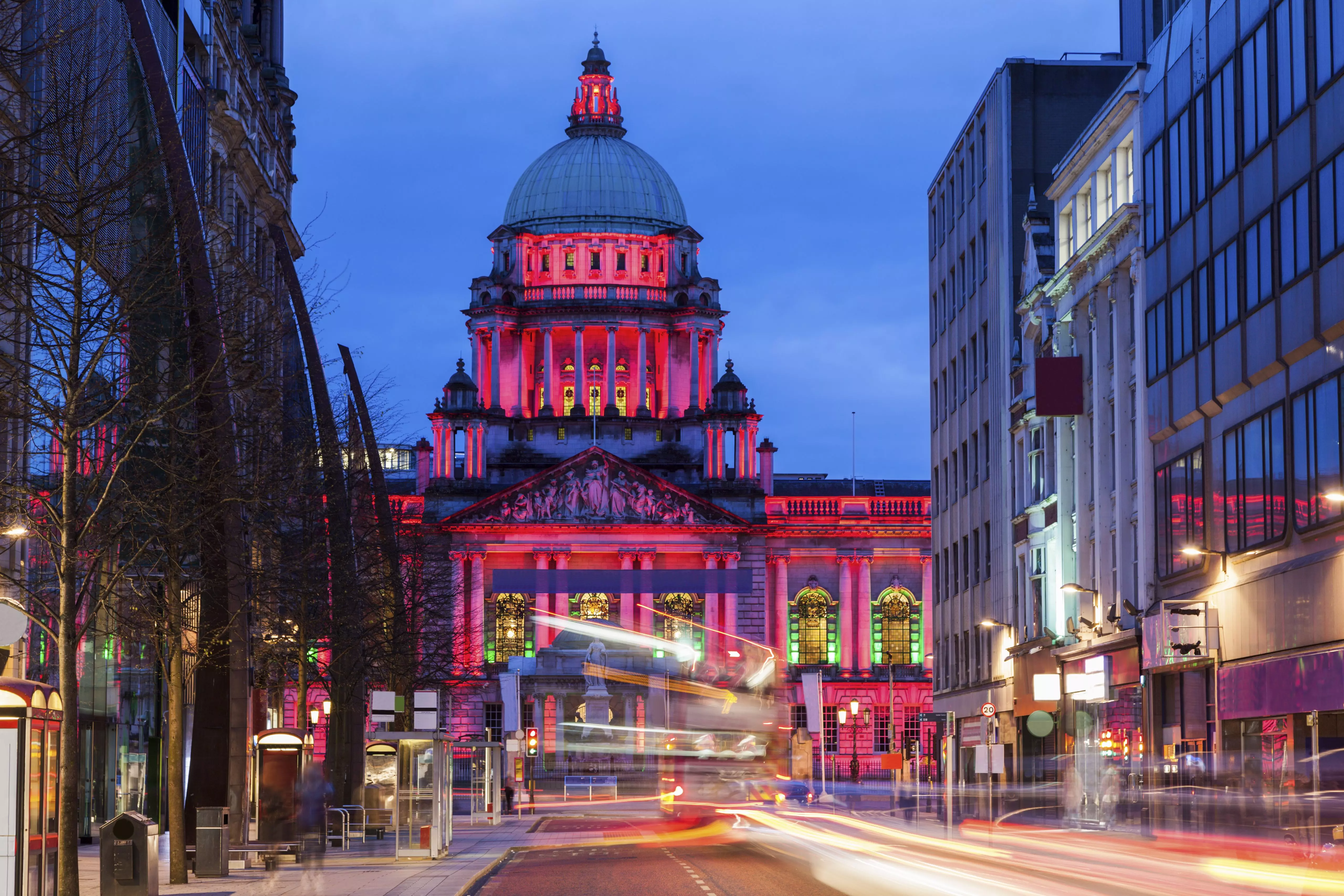
In Belfast, culture doesn’t just sit in galleries or museums. It’s written on walls, spoken on stage, and shaped by years of lived experience. The city’s cultural identity is inseparable from the Troubles and its lasting legacy, where artistic expression is a part of everyday life, not just something you visit.
With a population of 345,000, there are 2.9 museums, 5.8 libraries, and 3.2 live venues per capita. And Belfast is a compact city, so you’re never far from a gig, an exhibition, or a community event. Socialising here is deeply culture-led – when residents go out, there’s usually live music involved, with pubs like the Dirty Onion hosting live Irish music seven nights a week. Pubs are also intergenerational hubs of storytelling and conversation, which is typically rooted in place and identity.
There’s a strong sense of local identity in Belfast, and a post-conflict openness and sense of place create connection and belonging. Neighbourhoods also bring their own cultural identity: East Belfast has a growing creative and indie scene, West Belfast is known for murals and storytelling, while the Cathedral Quarter is a hub of arts and music.
The city’s music scene is community-driven and quietly fostering some of the country’s most exciting bands. There’s a strong live circuit, with venues like the John Hewitt, the Duncairn, the MAC, and of course, the Black Box. The MAC and the Black Box aren’t just venues, they act as creative hubs – hosting workshops, talks, and community-led events, while the Cathedral Quarter Arts Festival (30th April - 10th May 2026) is a celebration of the city’s music, comedy, theatre, and more.
Belfast also makes an effort to keep ticket prices down across its cultural spaces. Combine that with cheaper rent than most major UK cities and accessible creative spaces, and you’ve got one of the most affordable, culturally rich places to live in the UK.
8. Cornwall, England
Cultural calendar highlights: Boardmasters (5th - 9th August 2026). Falmouth International Sea Shanty Festival (12th - 14th June 2026, Eden Sessions (16th June - 9th July 2026), Royal Cornwall Show (4th - 6th June 2026), Obby Oss Festival (1st May 2026), Golowan Festival (19th - 28th June 2026), Fowey Festival of Arts & Literature (1st - 9th May 2026), Tunes in the Dunes (5th - 7th June 2026)
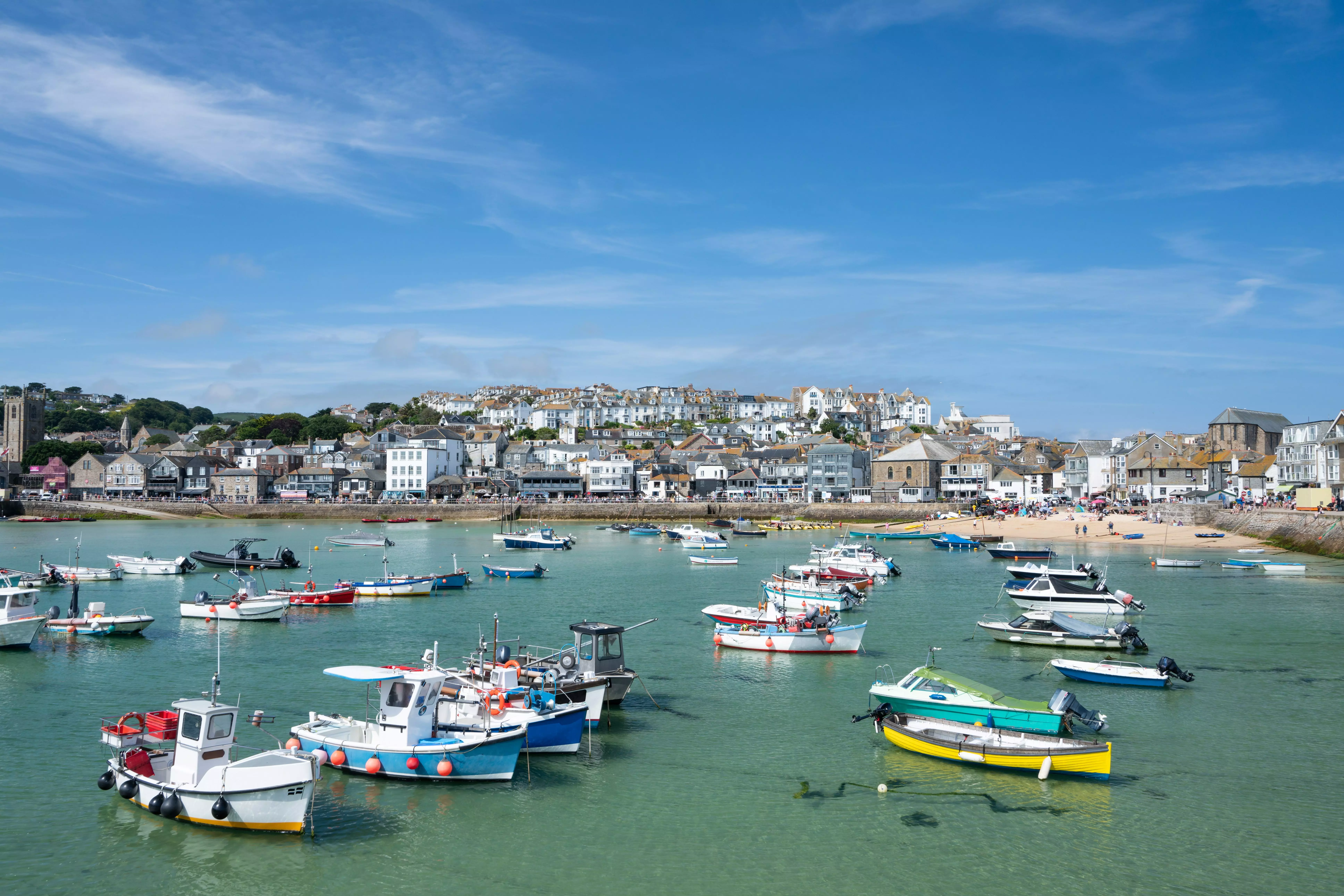
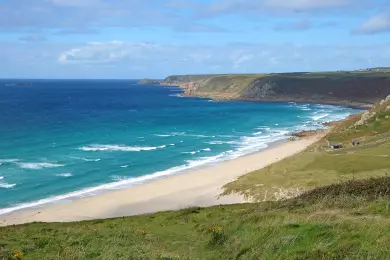
Cornwall is different from the rest of England, and proudly so. With a culture that is deeply rooted in the landscape and the coastline rather than infrastructure, Cornwall’s cultural identity doesn’t just sit in museums and venues. Surfing and seafood are a part of everyday life, and the county’s Celtic roots are a huge source of pride.
Life in Cornwall moves at a slower, more intentional pace. Everyday routines are tied to nature – morning surfs (or watching from the shore), dips in the sea, and coastal walks aren’t just reserved for holidays. Socialising becomes a sea cliff walk with a coffee, or a picnic on the beach with local produce. It’s a lifestyle that feels a world away from the rest of England.
That slower pace – and connection to nature – has long attracted creatives to the area. Artist and maker communities in towns like St. Ives continue to attract painters, potterymakers, and poets, while Penryn is a tourist-free, quiet, artsy enclave on the rise. Newlyn is another small-but-mighty Cornish town, where the focus is more on small-scale and independent business – not a chain in sight. Cornish communities are tight-knit, but they’re welcoming. Contribute to the community and the economy, and you’re in.
Cornwall also has one of the UK’s strongest regional food identities. It’s all about local produce, seafood, markets, pop-ups, and independent businesses. Halwyn, near Newquay, is a favourite for its 0-mile steaks. The farm-to-table ethos also reflects community values, with sustainability initiatives at local and governmental level.
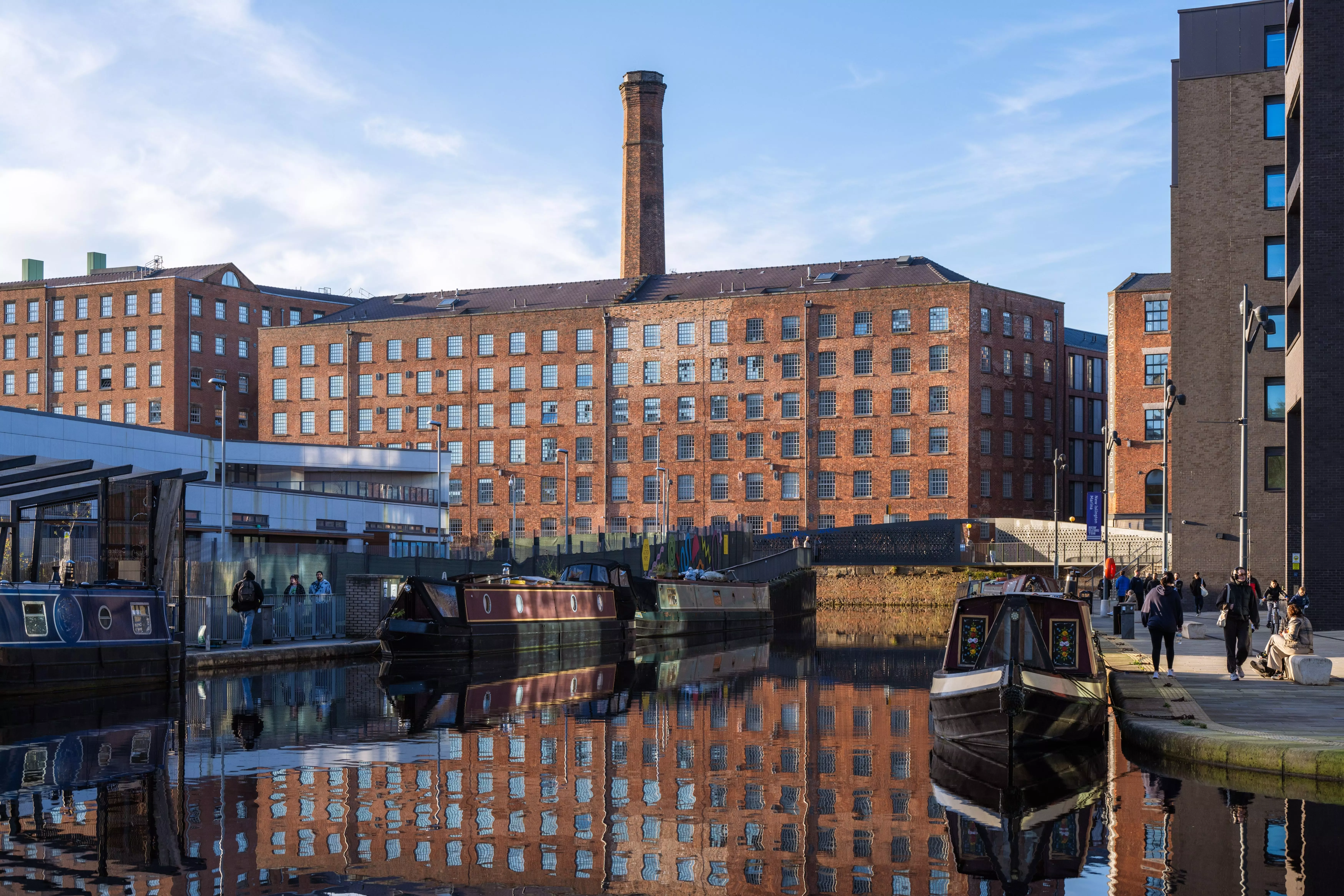
7. Manchester, England
Cultural calendar highlights: Manchester International Festival (March 2027), Parklife (20th & 21st June 2026), Manchester Pride (28th - 31st August 2026), Manchester Jazz Festival (15th - 24th May 2026), Manchester Film Festival (March 2027), Manchester Literature Festival (9th - 25th October 2026), Sounds of the City (3rd - 11th July 2026), Manchester Day (26th July 2026)
The cultural stronghold of the north – and arguably, England’s second city (sorry, Birmingham) – Manchester is a powerhouse of creativity, community, and diversity. With over 150 languages spoken, the city thrives from an abundance of multicultural communities.
Sure, there are plenty of cultural institutions, like the People’s History Museum, the Pankhurst Centre, and the Imperial War Museum North. But for those who live here, culture is lived and felt in everyday venues. Independent galleries, grassroots music venues, fringe theatres, street art, and cultural centres are the backbone of daily life. Between catching live local bands at the Eagle Inn in Salford or Northern Quarter’s Night and Day, and watching amateur plays, spoken word performances, comedy nights, and more, at the Kings Arms in Salford, Mancunians can easily fill up their calendars.
Few cities have had such a lasting impact on history and music, too. From being the home of iconic bands that defined pop and rock music worldwide to the Suffragette movement, Manchester has been pivotal in shaping the cultural and social zeitgeist. That legacy influences the city’s creative output today.
Diversity is reflected across Manchester’s neighbourhoods. From the second-largest China Town in the UK to the historic safe haven of the Gay Village, and Rusholme’s Curry Mile to the independent eateries of Altrincham, the city’s global influences are woven into every day life. Areas like Northern Quarter and Ancoats bring a post-industrial, creative edge, while suburbs like Chorlton and Levenshulme offer community-led markets and independent businesses.
But what really sets Manchester apart is its sense of community. Creativity and connection go hand in hand here – you don’t have to choose between a vibrant cultural scene or a friendly place to live.
6. Bristol, England
Cultural calendar highlights: Bristol International Balloon Fiesta (7th - 9th August 2026), Bristol Harbour Festival (17th - 19th July 2026), Upfest (15th - 31st May 2026), Love Saves the Day (23rd & 24th May 2026), Bristol Light Festival (February 2027), Encounters Film Festival (23rd - 27th September 2026)
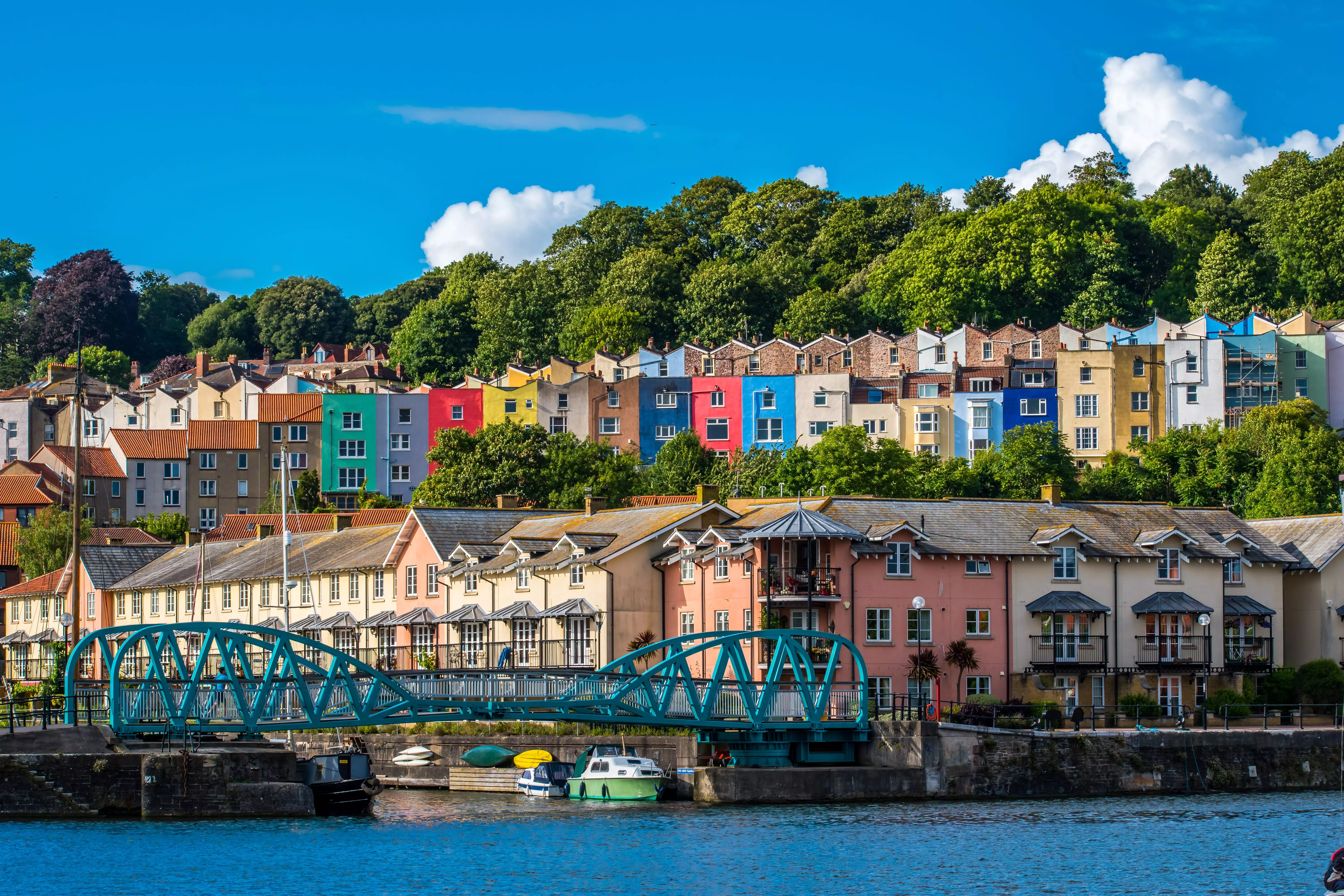
Straddling the River Avon in England’s southwest, Bristol is innately creative. As the home of Banksy, Aardman Animations, and bands like Massive Attack, creativity quite literally spills out onto the streets. Areas like Stokes Croft and Bedminster are canvases for colourful street art, with the bi-annual Upfest celebrating this artistic expression. There’s an independent spirit here, underpinned by diversity, that makes Bristolians hugely proud of their city.
The cultural scene is full of both heritage institutions and grassroots venues, including the Bristol Old Vic, opened in 1766, the UK’s oldest theatre still in operation, while Bristol Beacon has hosted everyone from the Beatles to Ella Fitzgerald. But it’s the smaller venues – like Exchange and The Louisiana – that are crucial for the city’s music scene, supported by collectives such as the Jamaica Street Artists.
There are few UK cities better for creative industries than Bristol, with a thriving film and TV industry, supported by it being a UNESCO City of Film. Around 6% of the workforce is in creative jobs, and employment is higher than the national average. Plus, as a ‘City of Festivals’ – without roughly one festival a week in the summer months – there’s consistent inspiration. Indie businesses thrive here too, with Gloucester Road known for being one of the longest streets of independent retailers in Europe.
Sustainability is also central to Bristol’s identity. Dubbed one of the UK’s greenest cities, Bristol has a strong vegan food scene, eco-conscious businesses, and communities that prioritise eco-friendly living. Neighbourhoods like Stokes Croft, Easton, and Clifton also reflect the city’s diversity and global influences, while St Paul's Carnival is a joyful celebration of Afro-Caribbean culture.
5. Brighton & Hove, England
Cultural calendar highlights: Brighton Festival (1st - 25th May 2026), Brighton Fringe (1st - 31st May 2026), The Great Escape (13th - 16th May 2026), Brighton & Hove Pride (1st & 2nd August 2026), CineCity Brighton Film Festival (6th - 15th November 2026), Burning the Clocks (21st December 2026)
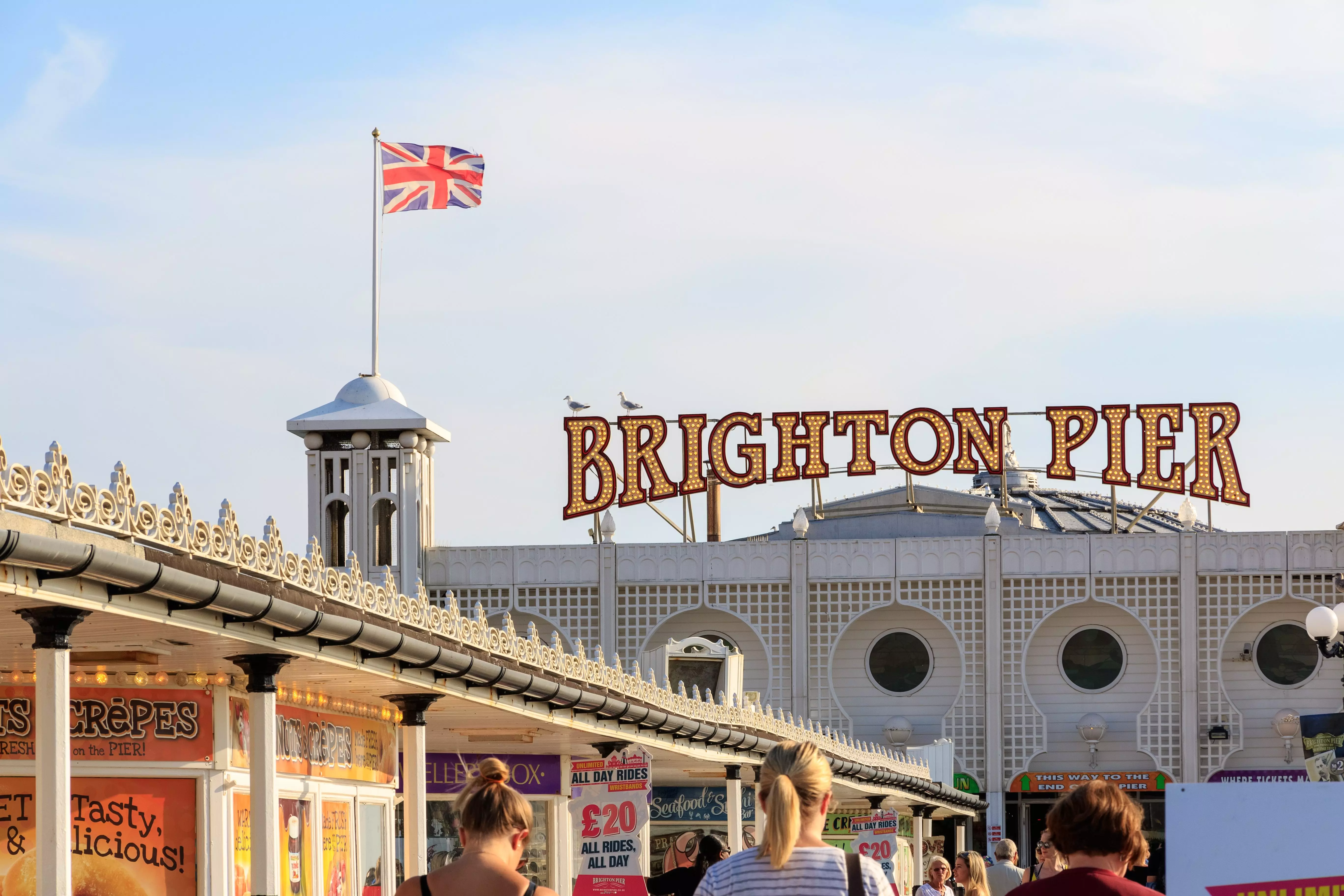
Brighton is the UK’s most LGBTQ+ inclusive city, with Brighton Pride being a huge fixture in the annual calendar. But Brighton’s LGBTQ+ identity is a part of daily life, not just for one weekend. Long a poster child for counterculture, and with Brighton Beach as its backdrop, this is one of the UK’s most exciting, culturally rich cities to live in.
Brighton has earned a reputation for being a safe, inclusive place to live, with one of the largest LGBTQ+ populations in the country. That opennes is reflected everywhere – nightlife, community spaces, and a big network of queer-owned businesses. Personal identity is a part of cultural fabric in Brighton: identity is visible, expressive, and normalised. This is the city “where anything goes”, after all. The main hub is in Kemptown, but the ethos spreads across the city.
The city’s subcultural roots run deep. Once the spiritual home of the 1960s Mods and Rockers, that alternative edge has evolved into a huge part of the city’s identity. Artists, musicians, and performers gravitate towards the city’s independent theatres and venues, like The Actors and The Old Market, while North Laine is a hub of independent makers and vintage shops – not a chain in sight. There are also regular meet-ups and workshops for independent creatives to share ideas and collaborate.
Events like Brighton Pride make culture participation accessible, as well as the year-round comedy, theatre, and music events, but the combination of city and coastal living is the soul of Brighton. Early morning swims, sunset picnics with friends, late-night cafe culture, and life lived outdoors sets it apart from the rest of the UK.
4. Glasgow, Scotland
Cultural calendar highlights: Celtic Connections (January 2027), Glasgow Film Festival (February - March 2027), TRNSMT (19th - 21st June 2026), Merchant City Festival (24th - 26th July & 31st July - 2nd August 2026), Glasgow International (5th - 21st June 2026), World Pipe Band Championships (14th & 15th August 2026), Glasgow Mela (5th July 2026)
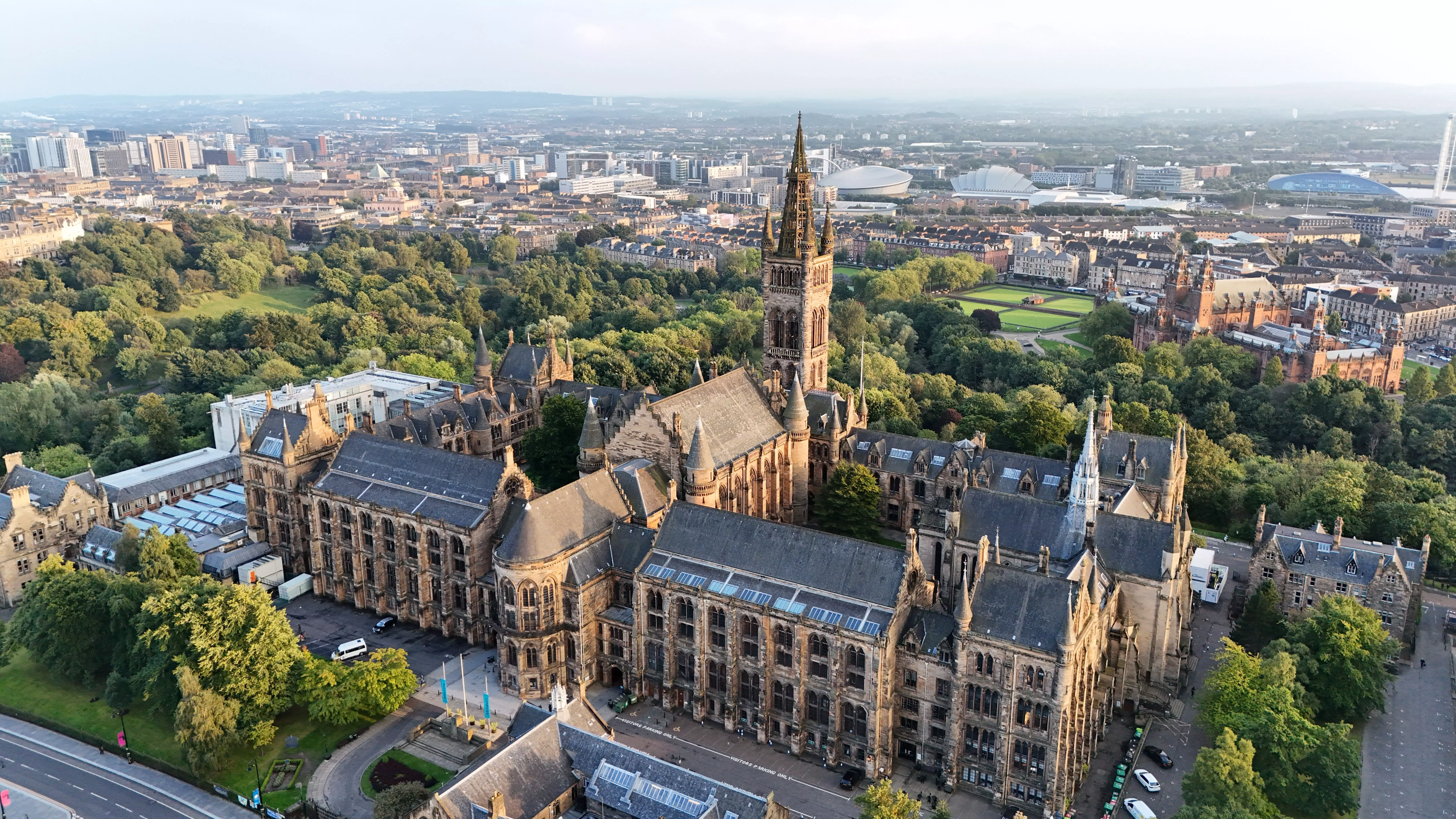
There’s a beloved Glaswegian phrase: ‘the people make Glasgow’. It’s this local pride mixed with creativity and working class ethos that makes Glasgow such a vibrant place to live. Free entry to heavy hitter institutions, like the Zaha Hadid-designed Riverside Museum and the Kelvingrove, and the grassroots scenes complement each other to form a city full of surprises.
Affordability and accessibility is what sets Glasgow apart. Culture here isn’t about seeking out the next cool spot or being ‘in the know’. With one of the best grassroots music scenes in Europe, small venues and the punters that fill them are the lifeblood of Glasgow’s entertainment sector. Venues like Bloc+ are a testament to that – this fiercely independent pub puts on live music seven nights a week, completely free of charge. And with a consant pipeline of exciting new music and bands, night out in Glasgow are about music, not just drinks.
Local venues double up as social spaces across the city, from the vital library services by Glasgow Life Libraries to South Asian community centres in cultural enclaves like Pollokshields. Neighbourhood identity is a big part of culture in Glasgow, but diversity isn’t confined to areas – with over 150 languages spoken, it’s felt across the city.
With a long history of trade unionism, activism, and protest culture, there’s a grit to Glasgow that still shapes art, literature, spoken word poetry, and other forms of expression. That same spirit has kept Glasgow relatively affordable, compared to the rest of the UK, rejecting over-gentrification. Less pressure of rising living costs, combined with a thriving cultural scene and of course, the people, is what attracts creatives and artists and keeps them here.
3. Camden, London, England
Cultural calendar highlights: Camden Fringe (3rd - 30th August 2026), Desertfest London (15th - 17th May 2026), Jazz Cafe Festival (2nd August 2026), The Other Art Fair(8th - 11th October 2026), London Irish Centre St Patrick’s Festival (17th March), Jewish Book Week (February/March 2027), Summer in the Park at Regent’s Park Open Air Theatre (2nd May - 12th September 2026)
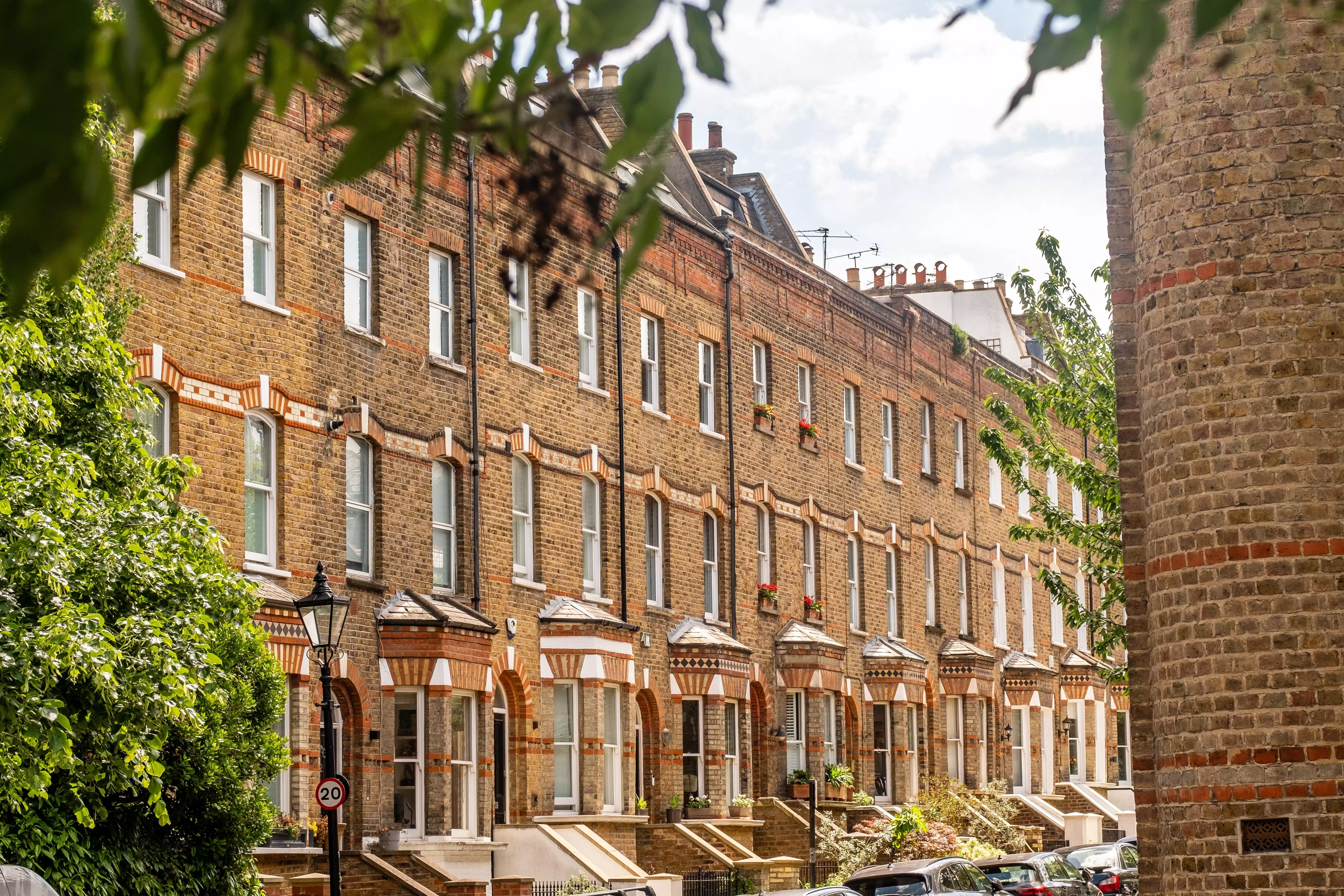
The borough of Camden is so much more than the punk outpost of Camden Town. It’s a microcosm of London’s layered cultural spectrum, where the gritty pubs that launched Amy Winehouse’s and Coldplay’s careers, King’s Cross’ creative industries (creative jobs make up 13.2% of Camden’s working population), and Hampstead’s literary history are within a few miles of each other.
Camden Town remains the borough’s cultural heartbeat. The epicentre of subculture in London, Camden, is known for all things punk, indie, and rock. With 10 venues per capita, music is central here. Historic pubs like the Dublin Castle sit alongside newer venues like Live at the Libra and the upcoming revival of the historic 12 Bar Club, which makes one of the UK’s most prominent hotspots for grassroots music.
On the other end of the spectrum, Hampstead’s grand boulevards and sprawling park are quiet and reflective, with a literary and intellectual history. But West Hampstead piques it for liveability. It’s more diverse, less expensive, a quick 10-minute train to Camden Town, and still within walking distance of the Heath.
Meanwhile, the redevelopment of King’s Cross is a huge positive for London. Once undesirable, Coal Drop Yard’s markets champion local designers, makers, and food producers; there’s a fan zone for big sporting events, a free summertime Everyman Screen on the Canal outdoor cinema, and much more.
The contrast is what defines Camden. Few places in the UK have this level of cultural range, all within one borough.
2. Oxford, England
Cultural calendar highlights: Oxford Literary Festival (March 2027), Oxford Folk Festival (April 2027), May Morning (1st May 2026), Oxford Open Doors (12th & 13th September 2026), Cowley Road Carnival (date TBC)
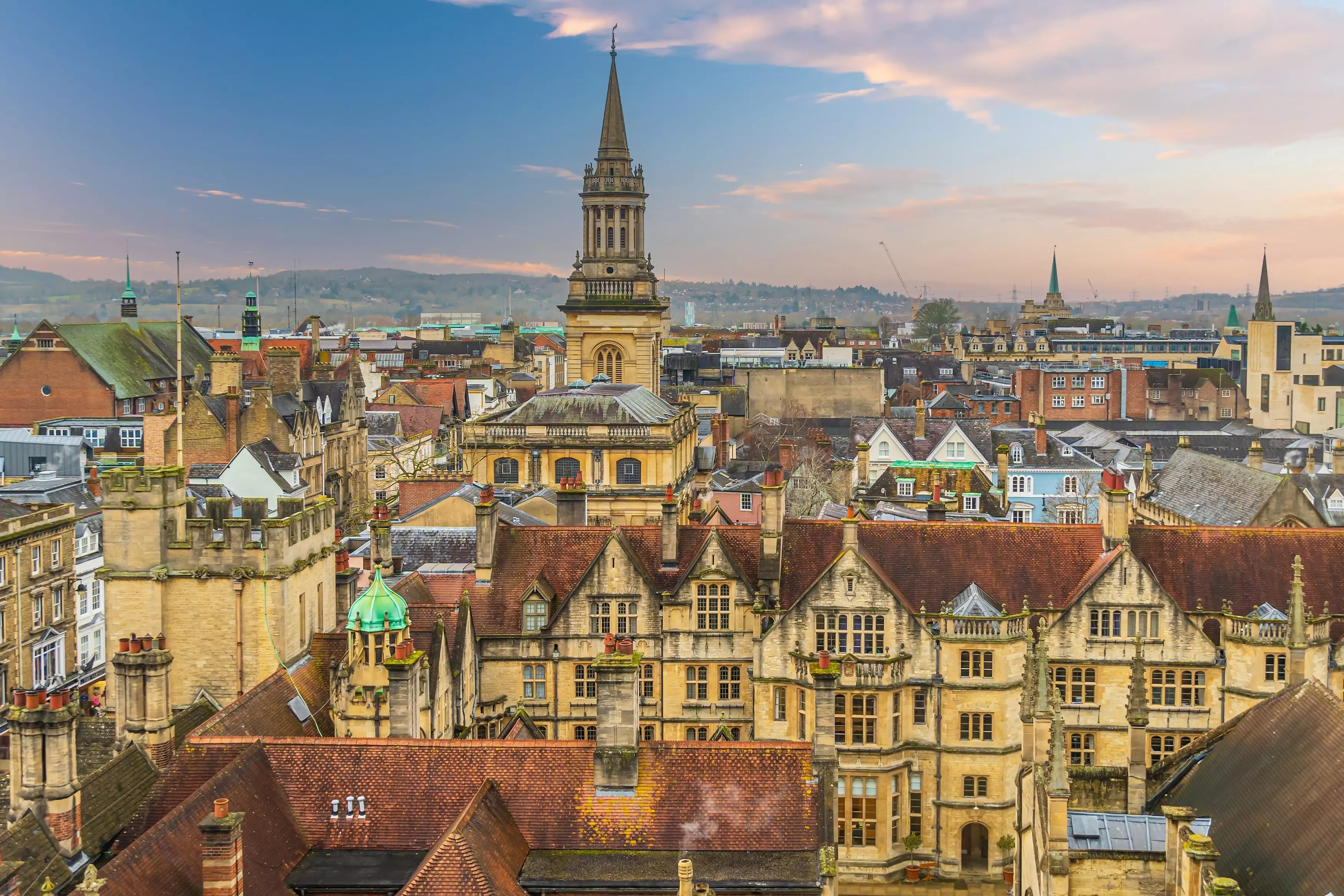
Oxford’s reputation precedes it. But this is more than a university town. The University of Oxford might be one of the most prestigious in the world, but it’s not the whole story. Just an hour on the train from London, Oxford is a hotspot for ideas, independent traders, and international cultures.
Its intellectual heritage is a huge cornerstone of this city’s cultural makeup. And regular talks, lectures, and public events show that this isn’t just confined to the city’s universities. There’s something about being around this – as well as the many bookshops – that feels energising and inspiring. Few cities display their love of reading so visibly, in coffee shops, slumped by trees on summer days, and in by having 6.7 libraries per capita.
The global population adds another layer. International students make up around 46% of the University of Oxford, and over 120 languages are spoken locally. The Oxford Hindu Society organises performances and rituals for Diwali, students and residents hold communal meals to share traditional foods for Eid, the Oxfordshire Chinese Community & Advice Centre holds annual Lunar New Year celebrations at Oxford Town Hall, etc.
There’s a performing arts and live music scene that shows Oxford’s culture isn’t only intellectual. From the grand Sheldonian Theatre to the intimate and experimental Creation Theatre Company, there’s more than grand museums and lecture halls here. And 8.6% of the job market is in creative industries. Areas like Jericho, an artsy neighbourhood with bi-monthly farmers’ markets and independent eateries, bring that creative energy to life. Or find it on Cowley Road, a bustling, diverse street, with Iranian tea houses, beloved Afghan restaurants, and an annual Caribbean celebration, Cowley Road Carnival.
1. Edinburgh, Scotland
Cultural calendar highlights: Edinburgh Festival Fringe (7th - 31st August 2026), Edinburgh International Festival (7th - 30th August 2026), Edinburgh International Book Festival (15th - 30th August 2026), Hogmanay (29th December 2026 - 1st January 2027), Edinburgh Art Festival (14th - 30th August 2026), Edinburgh International Film Festival (13th - 19th August 2026), Edinburgh Jazz and Blues Festival (17th - 26th July 2026), Edinburgh Science Festival (4th - 9th April 2026), DAYS Festival (30th May 2026), Edinburgh Summer Sessions (21st - 29th August 2026)
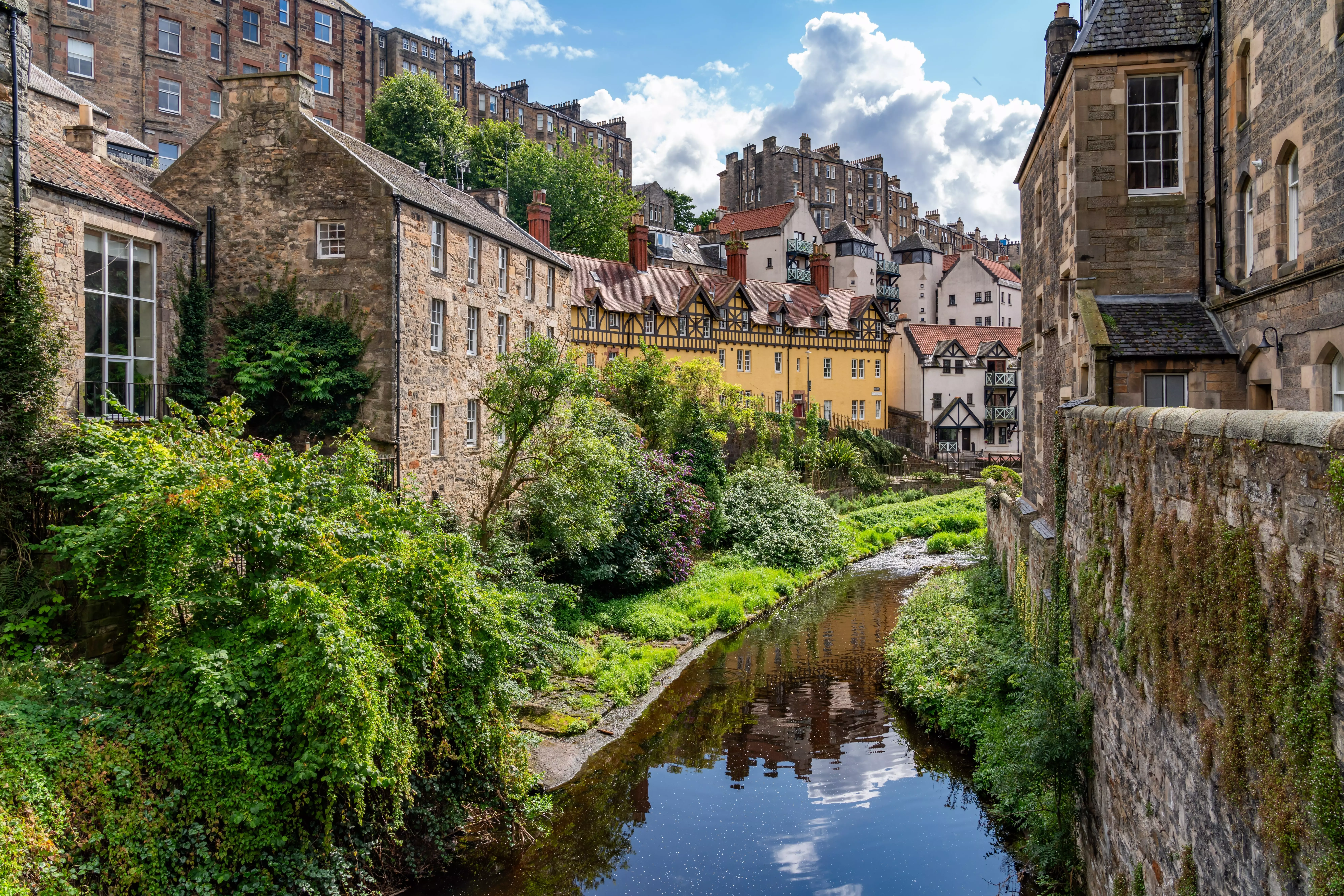
Edinburgh sets the benchmark for cultural cities in the UK. Few cities in the world deliver this level of cultural impact in a compact, liveable space. The setting plays a huge role in Edinburgh’s charm. From the medieval Old Town to the Georgian architecture of the New Town, the city feels like a film set. But it’s one that Edinburgh locals are a part of, spending weekends picnicking on Arthur’s Seat or walking to work along the Royal Mile.
Of course, the festivals are world-famous. The Fringe alone transforms the city into the largest arts celebration on the planet, but it doesn’t stop there. Edinburgh hosts 11 annual international festivals, including Edinburgh Summer Sessions, which is hosting the likes of the Prodigy and the Cure this year. That calendar runs alongside a string of community and cultural events, like the Edinburgh Ramadan Community Fair, the Diwali Festival, and the Beltane and Samhuinn festivals, which are rooted in ancient traditions.
Edinburgh is a truly balanced city, which sets it apart. Historical institutions, like the 17th-century National Museum of Scotland, and independent spaces such as Sneaky Pete’s, complement each other to bolster a community scene that’s both historic and modern. Locals might spend their weekends enjoying a coffee with a view of the ever-present Edinburgh Castle, before pootling around the first European museum dedicated to Palestinian art.
The city’s cultural identity isn’t confined to the city centre areas, either. Neighbourhoods like Leith are known for their creative energy, lively waterfront lined with independent spots, community spirit, and a thriving food scene influenced by its international residents. It’s this mix – everyday culture with historical prestige – that makes Edinburgh the most culturally rich place to live in the UK.
Get ready to plan your trip to United Kingdom

ABOUT THE AUTHOR
Aleyna Yilmaz
Aleyna loves learning about a culture through its food, whether that's closer to home or being out there in the world. She’s always happiest when experiencing somewhere new, but her base in London is a close second.
SIMILAR ARTICLES
The 20 Best Cities for Career Growth
The 30 Best Places to Visit Before You Die
The 50 Most Beautiful Places in the UK
The 26 Best Places to Go in 2026
MOST POPULAR
3 Days in Newquay & St Agnes
The 7 Best Spa Hotels in Cornwall
newsletter