
Thailand ranked as the 8th-most visited country in the world in 2024, with over 40 million international visitors. Known affectionately as the ‘Land of Smiles’, Thailand is a hugely popular destination for all types of travellers – from students backpacking the region on a gap year, to business travellers and holidaymakers in search of winter sun. With white-sand beaches, tropical jungle and a unique landscape like nowhere else on Earth, it’s no wonder that people love to visit Thailand.
Everything You Need to Know Before Visiting Thailand
When’s the Best Time to Visit Thailand?
There are three primary seasons when it comes to visiting Thailand: peak season, shoulder season, and off-season.
Peak Season: November to April. This is when Thailand experiences its dry season, with many tourists – particularly from the Northern Hemisphere – visiting for a winter sun holiday.
Shoulder Season: May and June, September and October. This is also known as Thailand’s hot season, and marks the transition from the dry season to the wet season. While you’re still guaranteed warm weather, you may experience heavy showers, especially during May and June.
Off-Season: July and August. This is the peak of the rainy season in Thailand, and as such, marks the off-season. However, flights and accommodation are much cheaper, and if you don’t mind the rain, it’s an excellent time of year to visit due to fewer crowds and tourists.
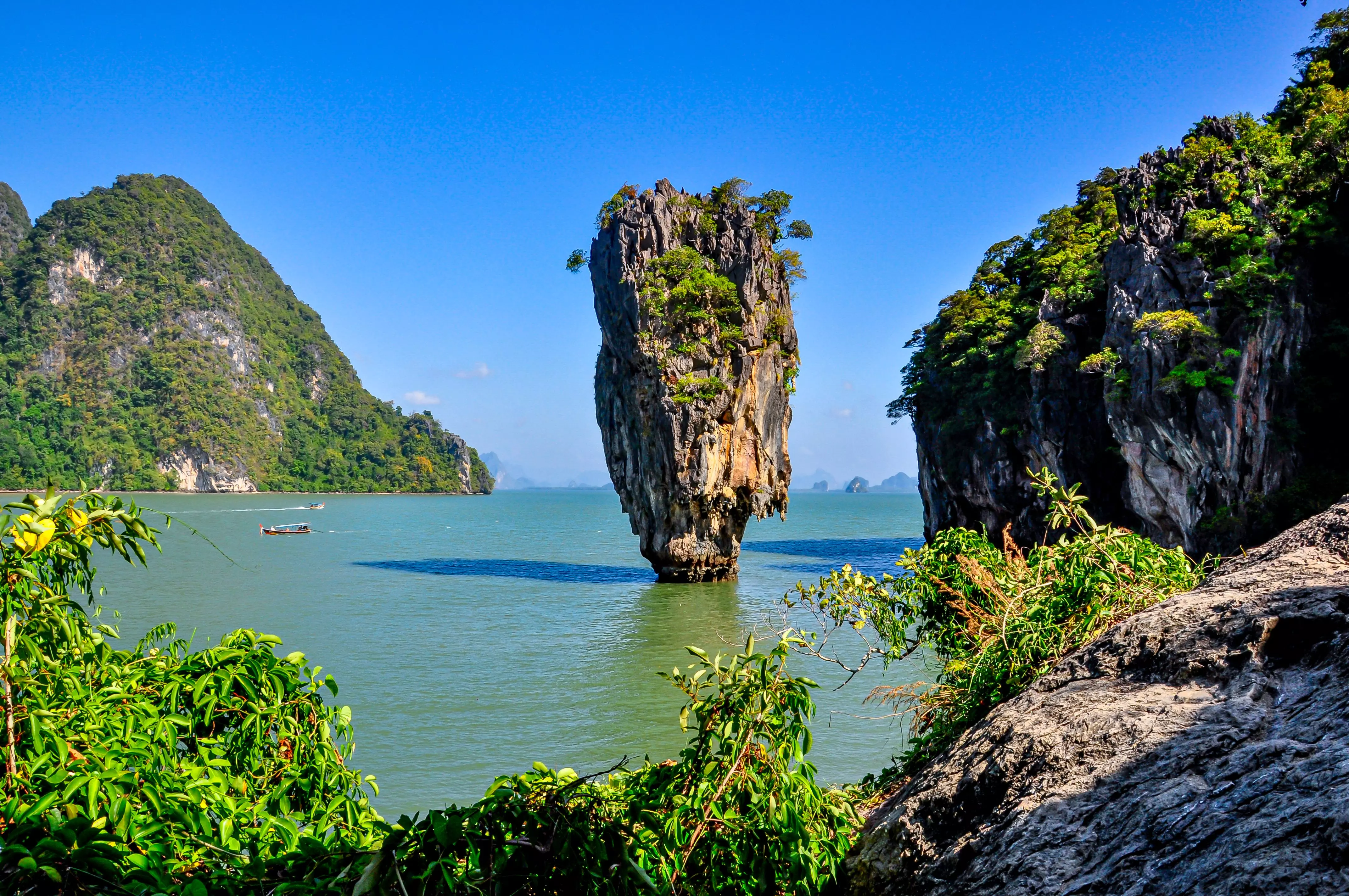
Language Guide: What You Need to Know
Thai is the primary language spoken in Thailand, with some regional dialects spoken in the northeast of the country. English is also widely used, particularly in the business and tourism sectors, and many Thai people speak some English, so if English is your first language, you should have no problems communicating in Thailand. Road signs are also displayed in Thai and English.
However, before visiting Thailand, it’s good to familiarise yourself with some Thai phrases that you might find useful when you’re there. These can be especially useful when visiting restaurants, bars, or even communicating with hotel staff and taxi drivers. Thai people are known for being very friendly, and it is seen as polite and thoughtful when you try and speak their language. Here are a few handy phrases that you might want to learn before visiting Thailand:
Hello: Sawadee ka (women), sawadee kap (men)
Goodbye: La Kxn (lah-kohn)
Please: Pord
Thank you (very much): Kap kun (mak)
Yes: Chì
No: Lekh-ti
Do you speak English? Khun phud passa an khu di hi
I don’t speak Spanish: Chan mi phud passa Thiy.
How are you? Khun pen yang ri?
Staying Safe While Travelling in Thailand
Thailand can be a safe haven for many travellers, but it is also worth taking some basic safety precautions before visiting and while you are there, to make the most of your stay.
Many Thai places are very cash-reliant, and as such, contactless and card payments are not widely available everywhere. Even so, you should not carry excessive amounts of cash with you, because thieves and pickpockets are known to target unsuspecting tourists, particularly in busy areas such as markets in cities like Bangkok.
You should also take precautions when using public transport. Do not use an unlicensed taxi, for example, and do not leave any bags unattended anywhere – whether on a bus or in a restaurant.
Due to current political tensions, there are some areas which should be avoided altogether in Thailand. This includes the region near the Thailand-Cambodia border, as well as regions close to the Thailand-Malaysia border, including the provinces of Yala, Pattani, Narathiwat and Songkhla.
How Much Does a Trip Cost? (Average Daily Budget)
Depending on how you want to experience Thailand, your budget will vary. The currency used in Thailand is the Thai Baht (THB/฿), and it is equivalent to these major currencies as follows:
-
£1.00 (GBP) = 42 THB
-
$1.00 (USD) = 32 THB
-
€1.00 (EUR) = 37 THB
-
$1.00 (AUD) = 21 THB
Budget: Thailand is known for being one of the best countries for budget-conscious travellers to visit, and you can enjoy a budget-friendly holiday in Thailand from as little as €30 per day, including transport, food, activities and more.
Mid-Range: Anywhere from €45 to €60 per day is ideal for a mid-range visit to the Land of Smiles. This includes perhaps hiring your own car or using taxis, eating out at restaurants, and visiting bars throughout the day or night, too.
Luxury: Luxury trips naturally are the most expensive. However, even if you budget around €100 per day, you can easily enjoy a luxury visit to Thailand, including staying in top-class hotels, dining at expensive restaurants, travelling by private car, and more.
Best Cities to Visit in Thailand
There are so many great cities to visit in Thailand, but these are four of the country’s very best.
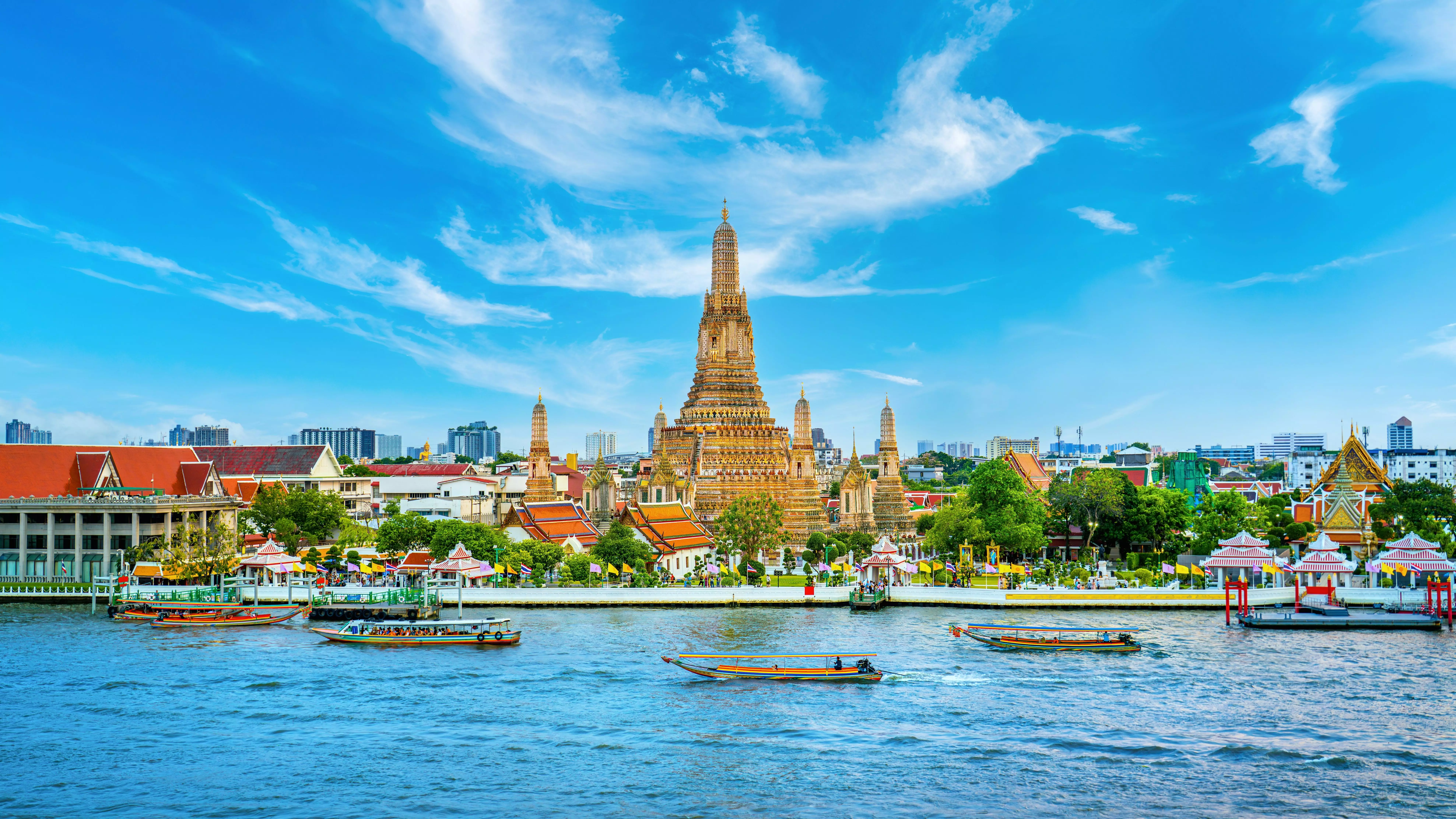
City 1: Bangkok
What to Do: Visit Buddhist temples, Chao Phraya River cruise, visit bustling markets, and visit rooftop bars.
Where to Stay: Sukhumvit is an ideal part of the city for shopping and nightlife, while the Riverside area is quieter and offers a more relaxing experience in the city centre.
Average Cost: Anywhere from €50 to €70 per day will ensure that you have a comfortable time during your visit to the Thai capital.
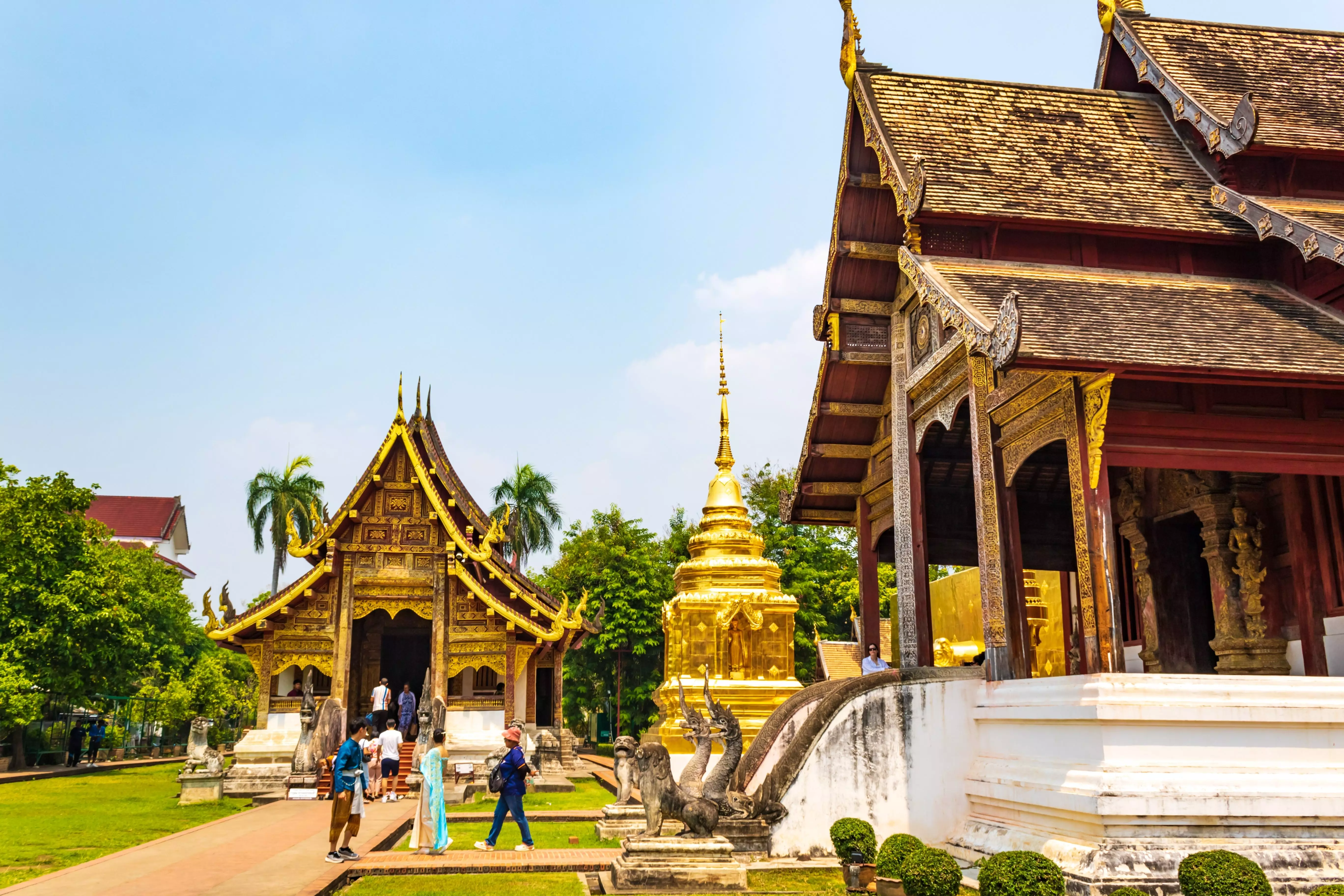
City 2: Chiang Mai
What to Do: Explore ancient temples, wild elephant sightseeing, and the Sticky Waterfalls.
Where to Stay: The Old City is a great place to stay for culture and history enthusiasts, while the Night Bazaar is aimed more at backpackers thanks to its wide array of budget-friendly accommodations.
Average Cost: Around €40 to €60 per day will be more than enough to enjoy Chiang Mai and its surrounding areas.
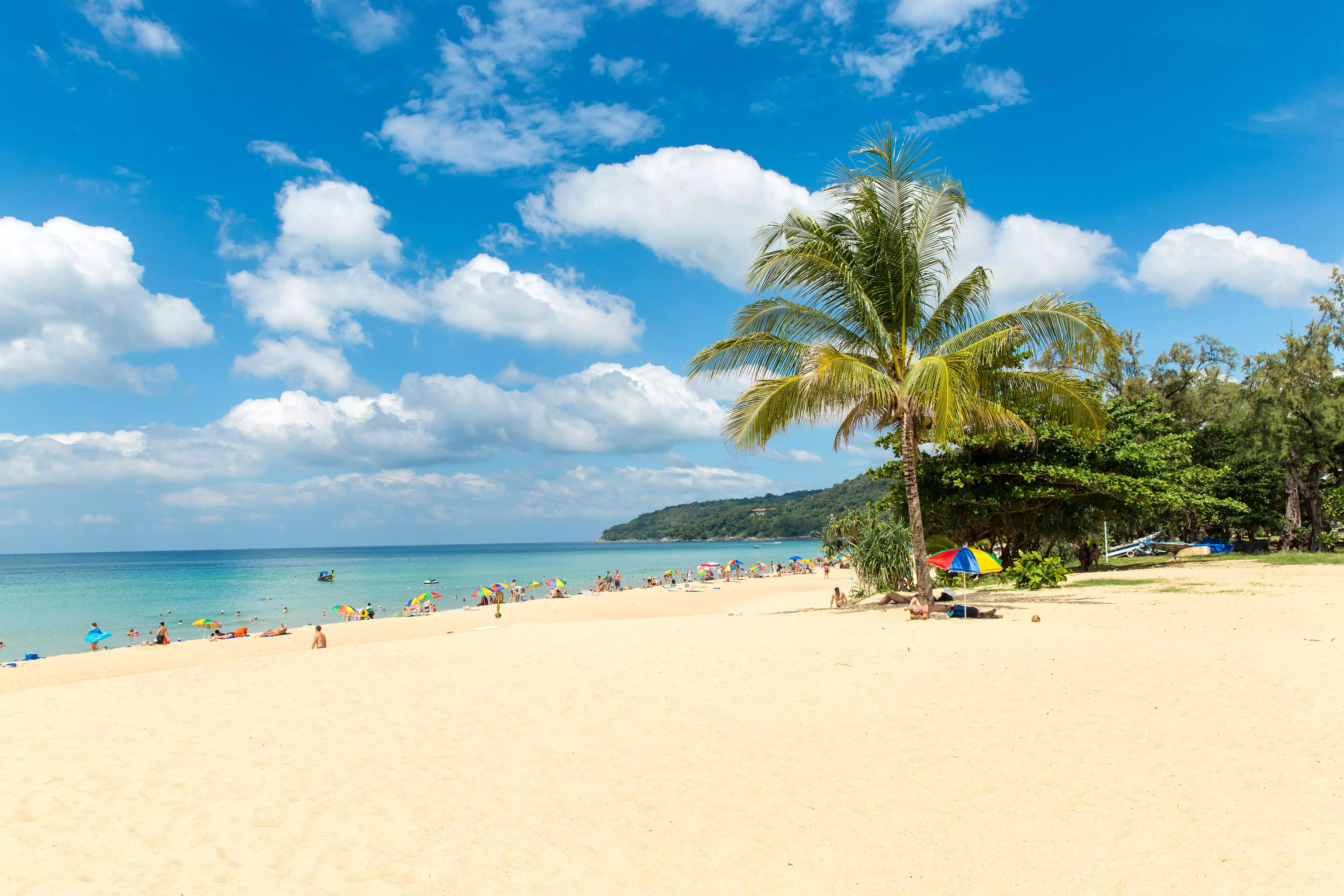
City 3: Phuket (Island)
What to Do: Big Buddha, Phi Phi Islands, parties and nightlife
Where to Stay: Patong Beach is the place to be for nighttime parties, while neighbouring Karon Beach is much quieter and more suited to families. The Old Town is also a colourful neighbourhood filled with bustling markets, perfect for being located conveniently close to the airport, too.
Average Cost: Anywhere from €30 upwards will be suitable for a visit to Phuket, especially if you plan on spending days on the beach or island hopping to the Phi Phi Islands.
City 4: Krabi (Island)
What to Do: Railay Beach, Tiger Cave Temple, and the famous night markets.
Where to Stay: Ao Nang is known for its stunning beachfront hotels, while Railay Beach is much more secluded and only accessible by boat. If you want to book onto various tours, we recommend staying in Ao Nang.
Average Cost: Around €30 per day is easily enough to enjoy a good time in Krabi.
The Big Experiences You Don’t Want To Miss
Thailand is full of surprises and wonders, and there’s so much to do across the country. From the jungle-filled north of the country to the white-sand tropical beaches of the south, as well as the hundreds of islands, there are plenty of places that are worth seeing in Thailand.
Places such as Chiang Mai in the north are generally wetter than those in the south, which is why they are surrounded by so much lush jungle and greenery. This region, as well as slightly further west in the area known as the Western Forest Complex, is superb for wildlife enthusiasts. While Thailand can have a reputation of unethical animal experiences – such as drugged-up tigers which ‘pose’ for a photograph with tourists, or docile elephant washing experiences – there are still plenty of authentic, ethical wildlife experiences in the country.
In the Western Forest Complex, you can go on wildlife watching tours to see magnificent animals such as elephants, tigers and leopards in their natural wild habitats – a truly unforgettable experience.
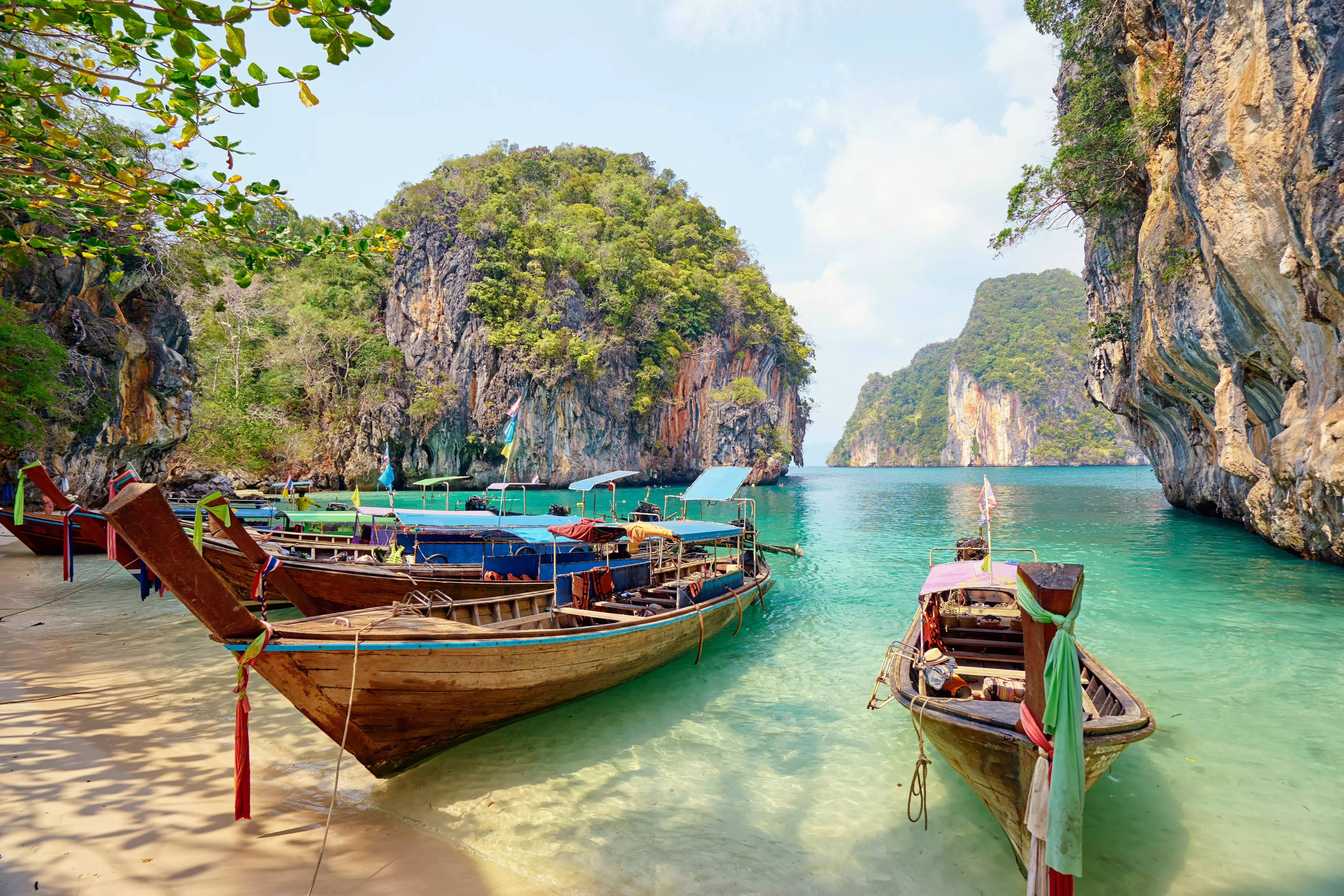
Island hopping is another popular activity in Thailand. Especially around the south of the country, near islands such as Phuket, as well as Krabi and Koh Samui, there are hundreds of (often uninhabited) islands which are a true joy to visit. Whether you want to try out sea kayaking or bring your snorkel and take a look at the tropical fish beneath the waves, visiting these islands is a brilliant way to spend your time in Thailand.
With over 93% of the Thai population identifying as Buddhists, there are hundreds of Buddhist temples throughout the country which can be visited, even if you’re not religious. The Big Buddha in Phuket is one of the most iconic, while the Wat Arung Temple in Bangkok is another must-visit. Many of these temples are hundreds of years old and offer a fantastic insight into Thai religion and culture.
Hidden Corners of Thailand
Despite over 40 million international visitors in 2024, Thailand still has some hidden gems.
While many of the larger Thai islands are hugely popular with tourists, such as Phuket and Krabi, there are a few which are quiet island paradises, often much less developed than their larger neighbours. One such island is Koh Kood, found in the Gulf of Thailand, around 42km from the Cambodian border. This island paradise is a quiet, secluded island, perfect for a quiet getaway.
In the west of the country, close to the Myanmar border, is Kanchanaburi. This gorgeous region is known for its incredible scenery, including the famous River Kwai, which runs through the province, as well as dense jungle and waterfalls such as Huay Mae Khamin. For nature lovers, this is one of the best-preserved natural areas of Thailand to visit.
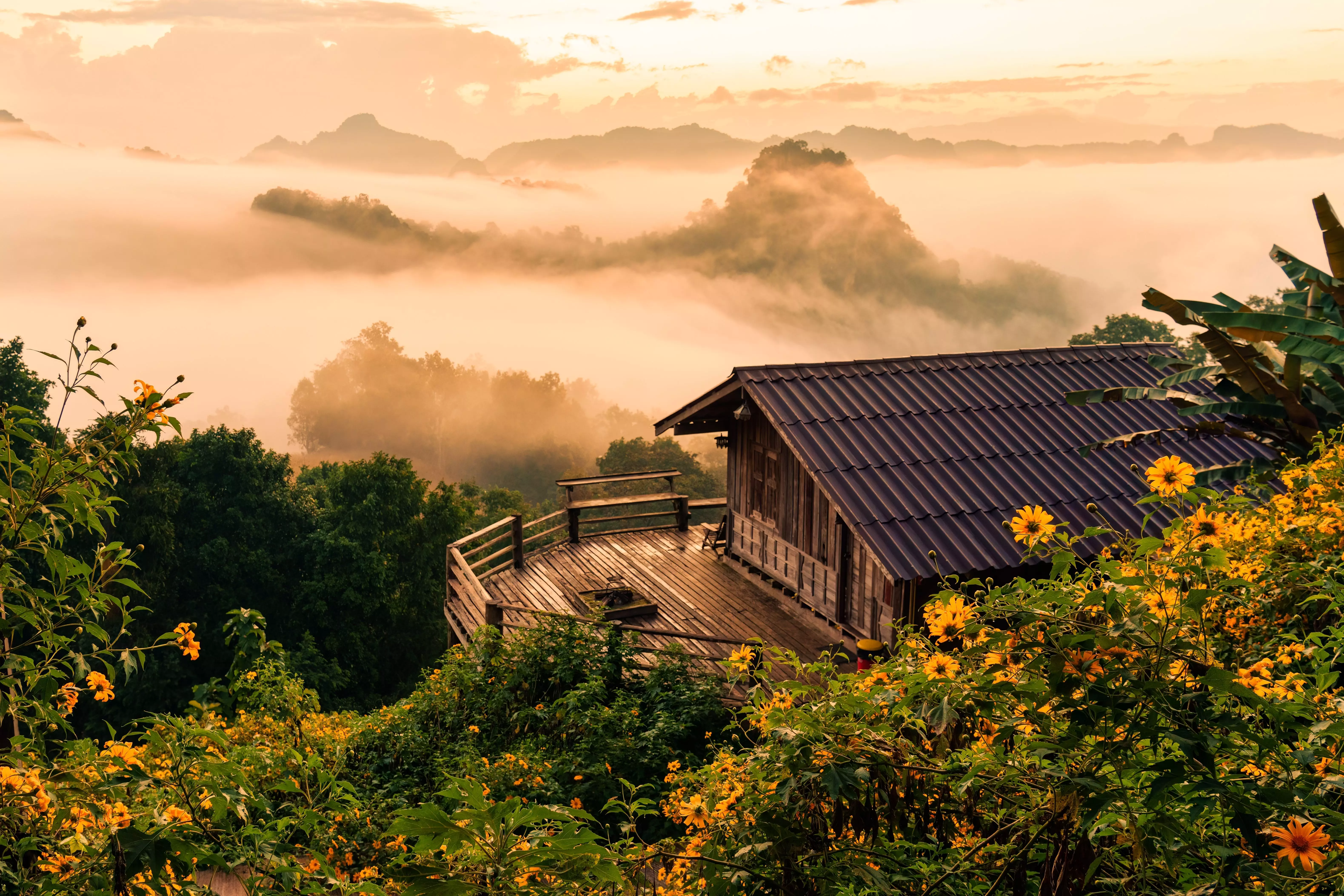
Further north, but also touching the border with Myanmar, and around 200km from Chiang Mai, is a beautiful part of the country called Mae Hong Son. This mountainous region in northwest Thailand is known for its incredible mountainous landscapes – a far cry from the tropical beaches that most people associate with Thailand! There are also still some indigenous hill tribes that call this region home, and visiting here and these people is an authentic insight into traditional Thai life and culture away from the tourist traps.
Handy Tips and How to Plan Your Trip
Thai people are the primary reason why the country is known as the Land of Smiles, and as such, they are generally very friendly, welcoming and warm to visitors.
Bowing your head is seen as a sign of politeness, and you should always greet people with sawadee ka (women) or sawadee kap (men), followed by a bow of your head.
When visiting temples, you must go barefoot. Your shoes will be kept in a safe space for you, but wearing shoes inside most temples is seen as disrespectful. The same generally applies when visiting people’s homes.
Tipping is not mandatory and nor is it expected in Thailand, but it is always appreciated.
While there are no dress codes in Thailand, it is imperative to dress politely when visiting historic sites or Buddhist temples. Shoulders and knees should be covered, but headscarves are not necessary, unless you wish to wear one for your own religious or cultural reasons.
The amount of time that you visit Thailand for can depend on what you wish to do while you’re in the country. As a bare minimum, five days to a week is good for those wishing to stay in one or two locations, and especially if you are planning on solely staying in Bangkok.
For those who wish to experience several different places, anywhere from ten days, two weeks or even longer is ideal. This makes your holiday not feel rushed, and gives you enough time to see most of the major areas of the country, as well as partake in activities such as island hopping or wildlife excursions.
Get ready to plan your trip to Thailand
ABOUT THE AUTHOR
Chester Ollivier
Chester is passionate about exploring new places through food, history and heritage. Whether he is uncovering hidden gems in North East England or travelling to exotic locations across the globe, his enthusiasm for food and history fuels his adventures. His love for writing, combined with his intrigue of different cultures and their histories has led him to pursue a career as a travel writer.
SIMILAR ARTICLES
The 7 Best Places to Eat Khao Soi in Chiang Mai

The 7 Best Wellness Retreats in Thailand
The 7 Best Places to Go in December 2025
How to Travel Southeast Asia on a Budget
MOST POPULAR
newsletter